Electricity prices keep climbing, and 2026 will be no different. The average U.S. residential rate has risen more than 20% over the past five years, according to EIA data. That means every kWh you waste is money out the door. The good news is that most homes can cut their electric bill by 10-30% without sacrificing comfort. The key is finding where your energy goes and then applying the right fixes in the right order. You don’t need a massive solar array on day one. Start with the cheap, high-impact changes first. This guide breaks down 20 things that actually work, from free behavioral tweaks to full home energy independence.
Before you spend a dollar, understand your baseline. A home energy audit shows exactly which appliances, plug loads, and HVAC settings are driving your bill. You can do a DIY audit with a $30 electricity monitor, or hire a professional for a blower-door test. Once you know your usage patterns, you can target the biggest offenders. For example, heating and cooling often make up 40-50% of a typical home’s electricity use. If you skip the audit and buy a new fridge first, you may see little change. The Department of Energy recommends prioritizing insulation and air sealing before solar. That is the smart order of operations.
The 20 tips in this article are grouped into eight steps. Steps one through five are low-cost or no-cost changes you can implement this weekend. Steps six through eight involve bigger upgrades like heat pumps, solar panels, and home batteries. Some of these have paybacks of under two years, while others take longer but add resilience and long-term savings. For example, pairing a solar array with a battery can reduce your utility bill by 70-100%, depending on your net metering policy. Check our guide on solar and battery economics to see if the numbers work for your state.
Remember that lowering your electric bill is not about living in the dark. It is about using energy smarter. A well-insulated home with a heat pump, LED lights, and a solar-plus-storage system can be more comfortable and cheaper to run than a leaky home with old appliances. Some changes, like shifting laundry to off-peak hours, require almost no investment. Others, like upgrading to an induction cooktop, may take years to pay back in pure energy savings but offer better cooking and lower indoor air pollution. Use this article as a checklist. Start with step one and work your way down as your budget allows.
How Do You Reduce Your Electric Bill in 2026?
- Start with a home energy audit and understand your usage
A home energy audit is the fastest way to find your biggest savings. Start by logging into your utility account and downloading 12 months of hourly usage data. Many utilities now offer free online tools that show when you use the most electricity. If yours doesn’t, a simple plug-in monitor like the Kill A Watt electricity usage monitor will measure individual appliances. Plug in your refrigerator, TV, computer, and any always-on device for 24-48 hours. You will often find that a 20-year-old fridge is drawing 150-200 watts continuously, costing $20-30 per month.
Once you have data, separate your usage into three buckets: baseline loads (always on), heating and cooling, and discretionary loads (laundry, cooking, EV charging). Baseline loads should be under 200 watts for most homes. If your baseline is 400 watts or more, phantom loads are likely the culprit. Heating and cooling is the biggest variable. An air conditioner that runs 10 hours a day at 3,500 watts consumes 35 kWh daily. At $0.18 per kWh, that is $6.30 per day. Small changes like raising the thermostat 3 degrees can cut that runtime by 20-30%. You can also learn how to right-size a home battery once you know your daily kWh usage.
If you want a more precise audit, hire a professional energy auditor. They use a blower door to measure air leakage and an infrared camera to find missing insulation. The cost is usually $200-$400, but many utilities offer rebates that cover most or all of it. The auditor will give you a prioritized list: air seal the attic, add R-38 insulation, replace single-pane windows, and so on. That report becomes your roadmap. Tackle the items with the shortest payback first. Most homes can cut heating and cooling energy use by 15-25% just by air sealing and adding insulation, which costs less than $1,000 if you do it yourself.
- Eliminate phantom loads with smart power strips
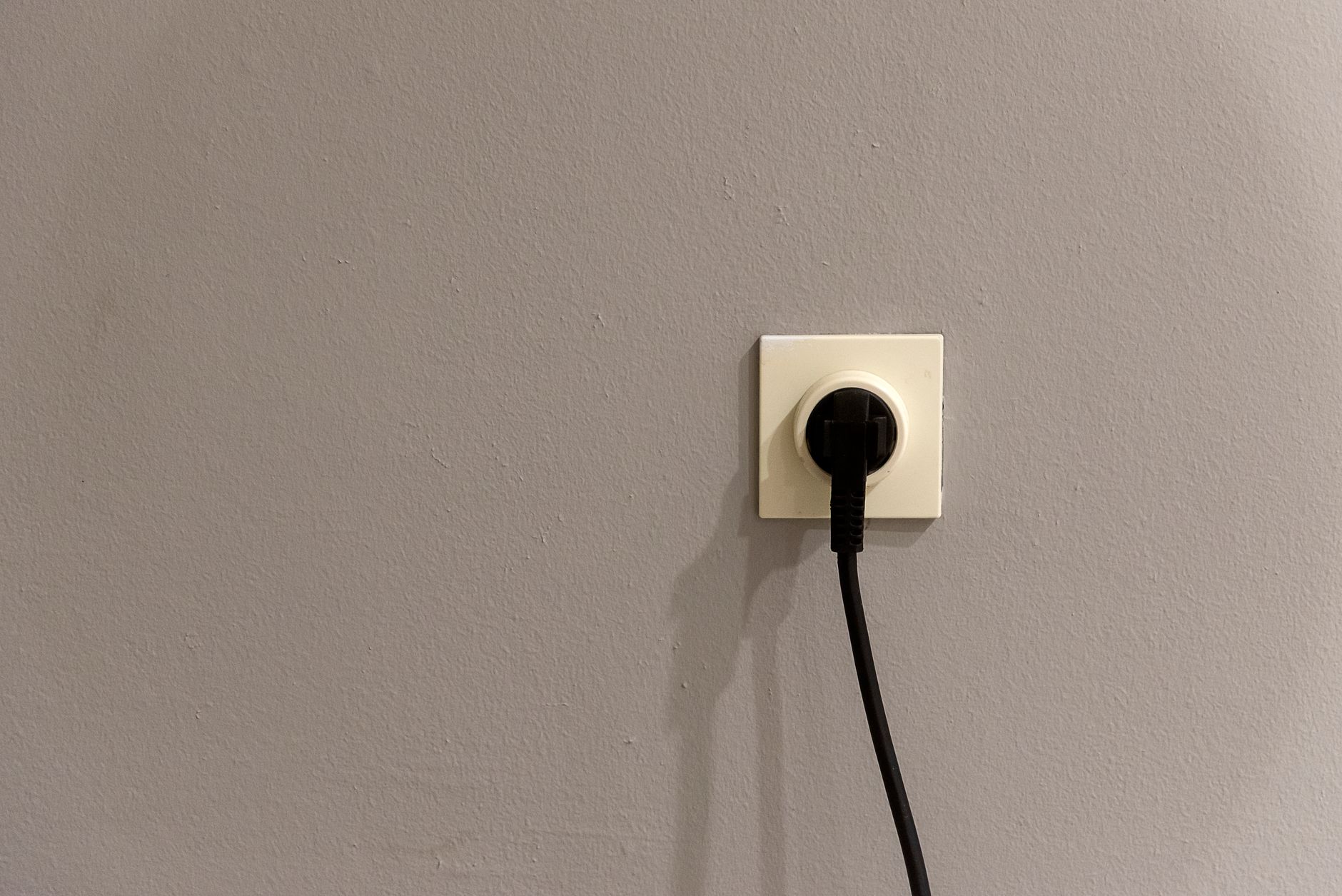
Phantom load, also called standby power, is the electricity your devices use when they appear off. TVs, game consoles, chargers, and kitchen appliances all draw a few watts continuously. A typical home wastes 5-10% of its electricity on phantom loads. That is 50-100 kWh per month, or $10-20 at current rates. Start by walking through your home with a plug-in meter to find the worst offenders. Anything with a clock, remote control, or external power brick is suspect. A cable box and DVR combo can draw 35 watts 24/7, costing over $5 per month just to sit there.
Smart power strips solve this problem automatically. Plug your TV, soundbar, and game console into a smart strip. When the TV turns off, the strip cuts power to the other outlets after a short delay. Some strips have occupancy sensors that turn off when you leave the room. Others can be scheduled or controlled from your phone. You can also use simple outlet timers for things like a dehumidifier or aquarium heater that only need to run part of the day. The goal is to get your baseline load below 200 watts. If you are not sure which strip to buy, check the product’s standby power rating and make sure it is UL listed.
Don’t forget about chargers and small electronics. A phone charger left plugged in without a phone draws about 0.1-0.5 watts, which is tiny. But a laptop dock or an old stereo amplifier can draw 10-20 watts in standby. Go around your house and unplug anything you rarely use, or put them on a power strip with a physical switch. The savings from killing phantom loads won’t make you rich, but it is one of the easiest zero-cost changes. Combine it with other low-cost habits like turning off lights and unplugging unused appliances, and your baseline energy use will drop noticeably.
- Optimize heating and cooling with a smart thermostat and heat pump
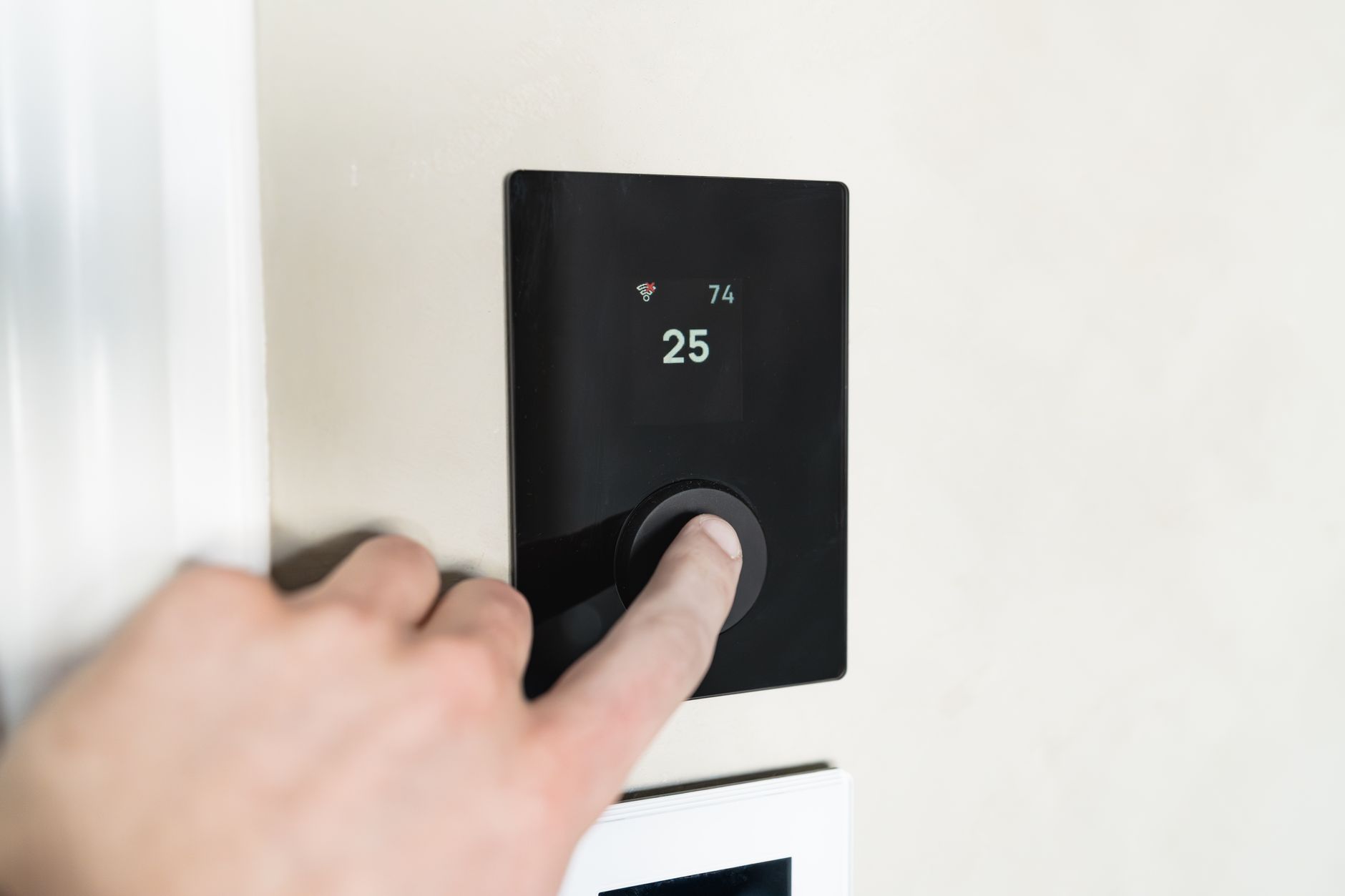
Heating and cooling usually dominate an electric bill. The cheapest upgrade is a smart thermostat. According to ENERGY STAR, a properly programmed smart thermostat can save 8-10% on heating and cooling costs annually. Models like the Google Nest Learning Thermostat learn your schedule and adjust temperatures automatically. You can also control them from your phone. Set the temperature back 7-10 degrees for 8 hours while you sleep or at work. That alone can save 10% without any new equipment. If your current thermostat is older than 10 years, the payback is often under one year.
If your HVAC system is over 15 years old, consider replacing it with a heat pump. A heat pump moves heat instead of generating it, so it can be 300% efficient compared to electric resistance heating. In moderate climates, a cold-climate heat pump can cut heating costs by 50% or more. Our guide on heat pump vs traditional HVAC explains the cost differences and installation factors. For cooling, a new heat pump with a SEER2 rating of 16 or higher will use 20-30% less electricity than an older 10 SEER unit. The upfront cost is higher, but utility rebates and federal tax credits can cover 30-50%.
Don’t forget regular maintenance. Dirty air filters, blocked vents, and low refrigerant all force your system to run longer. Change the filter every 1-3 months. Clean the outdoor condenser coils once a year. Have a technician check refrigerant levels and duct leakage every few years. Leaky ducts can waste 20-30% of conditioned air. Sealing ducts with mastic or foil tape is a cheap weekend project. If you have a zoned system, close doors and vents only in unused rooms if the system is designed for it; otherwise you can unbalance airflow and make the blower work harder.
- Seal air leaks, upgrade insulation, and consider efficient windows
Air leaks are the silent budget killer. Even a small gap around a window or door lets conditioned air escape and outdoor air sneak in. The U.S. Department of Energy estimates that sealing leaks can cut heating and cooling costs by 10-20%. On a windy day, walk around your home with a lit incense stick or a damp hand. Where the smoke wavers or you feel a draft, you have a leak. Common spots are window and door frames, baseboards, electrical outlets, recessed lights, and where pipes or wires enter the house. Use caulk for small gaps and spray foam for larger ones. Weatherstripping around doors and windows is a $10 fix that can pay for itself in a month.
Insulation is the next layer. Most attics need at least R-38, but many older homes have R-19 or less. Adding blown-in cellulose or fiberglass to an attic is a straightforward DIY project. The cost is usually $1,000-$2,000 for a 1,500 square foot attic, and the payback is 2-4 years in cold climates. Walls are harder to insulate after construction, but you can inject dense-pack cellulose or foam. If you have a crawlspace or basement, insulate the rim joists. Floors over unheated garages also lose heat. The goal is a continuous thermal boundary. Check with your utility for insulation rebates; many offer up to 50% back.
Windows are a bigger investment. Single-pane windows lose ten times more heat than double-pane low-E windows. Replacing all windows can cost $10,000 or more, and the energy payback alone may take 20+ years. That said, if your windows are drafty, you can install storm windows or plastic film for a fraction of the cost. Shade screens and awnings reduce solar heat gain in summer, cutting cooling loads by 10-15%. If you do replace windows, look for the ENERGY STAR label and a U-factor below 0.30 and a solar heat gain coefficient appropriate for your climate. Do not let a contractor oversell you on triple-pane glass unless you live in an extreme climate.
- Switch to LED lighting and ENERGY STAR appliances
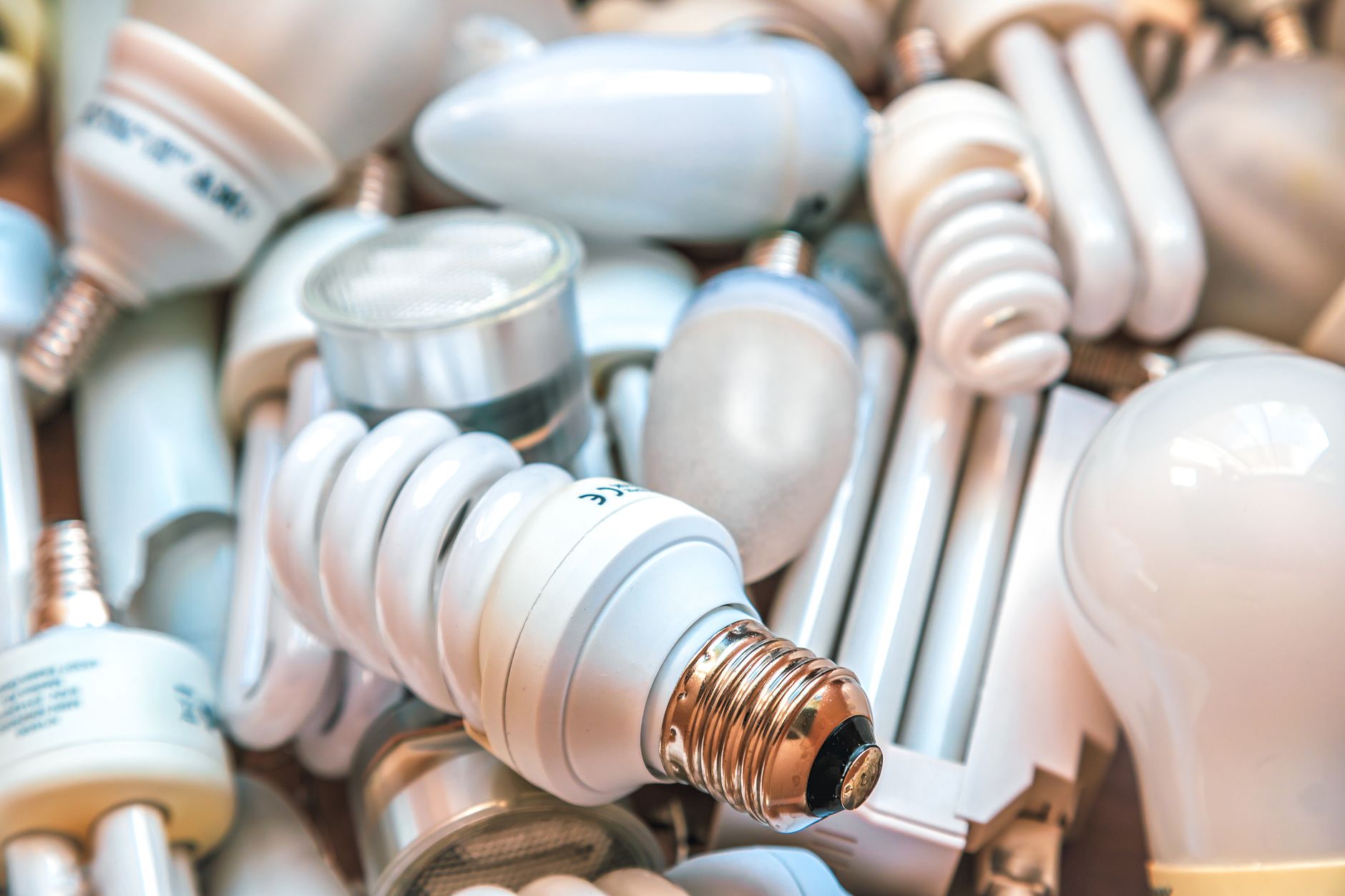
Lighting is the easiest win. LED bulbs use at least 75% less energy than incandescents and last 25 times longer. A single 60-watt incandescent replaced with a 9-watt LED saves about $4 per year at average rates. Swap out your 10 most-used bulbs and you’ll save $40 annually for a $20 investment. The payback is less than six months. Check the color temperature: 2700K for warm light in living spaces, 3000-4000K for kitchens and bathrooms. Dimmable LEDs and smart bulbs give extra control. If you have older CFLs, replace them too; LEDs are even more efficient and contain no mercury.
Major appliances are the next target. Look for the ENERGY STAR label when buying a new refrigerator, dishwasher, or washing machine. ENERGY STAR certified refrigerators use about 9% less energy than standard models. A high-efficiency clothes washer uses 25% less energy and 33% less water. That matters because water heating is often the second biggest electric load. Choose a front-loading washer and a heat pump dryer if possible. Heat pump dryers use 50-60% less energy than conventional electric dryers, though they cost more upfront. Run full loads and use cold water settings. Washing in cold water saves 0.5-1 kWh per load.
Don’t overlook smaller appliances. An old second refrigerator in the garage can burn $150-$250 per year. If you only use it for drinks in summer, consider unplugging it most of the year. Replace any fridge older than 15 years with a modern ENERGY STAR model. The savings often pay for the new unit in 5-8 years. For cooking, an induction cooktop is about 85% efficient compared to 70% for electric resistance, but the bigger benefit is speed and control. If you use an electric oven, avoid preheating longer than necessary and use the convection setting. A microwave or toaster oven uses far less energy for small meals.
- Shift heavy loads to off-peak hours with time-of-use plans
Many utilities now offer time-of-use (TOU) rates. Electricity is cheaper at night and on weekends, when demand is low and renewables are abundant. If you are on a TOU plan, you can save 10-40% just by shifting heavy loads to off-peak hours. Check your utility’s rate schedule. Peak hours are typically 4-9 PM. Moving your dishwasher, clothes dryer, and EV charging to after 9 PM or before 4 PM can cut those specific costs by half or more. A smart plug or timer can automate this. For example, run your dishwasher at 10 PM instead of 6 PM. You’ll never notice the difference, but your bill will.
The biggest shiftable load is laundry. A typical electric dryer uses 2-4 kWh per load. At peak rates of $0.30/kWh versus off-peak $0.10/kWh, drying one load off-peak saves $0.40-$0.80. Do three loads a week and you save $5-$10 per month. Use delay start features on your washer and dryer, or simply do laundry in the evening or early morning. If you have an electric water heater, set it to run on a timer or use a heat pump water heater that can be scheduled. Water heating accounts for 15-20% of most electric bills. Lowering the thermostat to 120°F saves 3-5%.
If you have an electric vehicle, smart charging is a huge lever. An EV can draw 7-11 kW when charging. On a TOU plan, charging at night instead of the evening can save $0.50-$1.00 per full charge. Many EVs and home chargers have built-in scheduling. You can also use utility programs that reward you for pausing charging during grid emergencies. For more on this, see our guide on EV charging and home electricity. Even without an EV, shifting other heavy loads like pool pumps and dehumidifiers to off-peak hours can make a noticeable dent.
- Add solar panels and a home battery to offset your bill
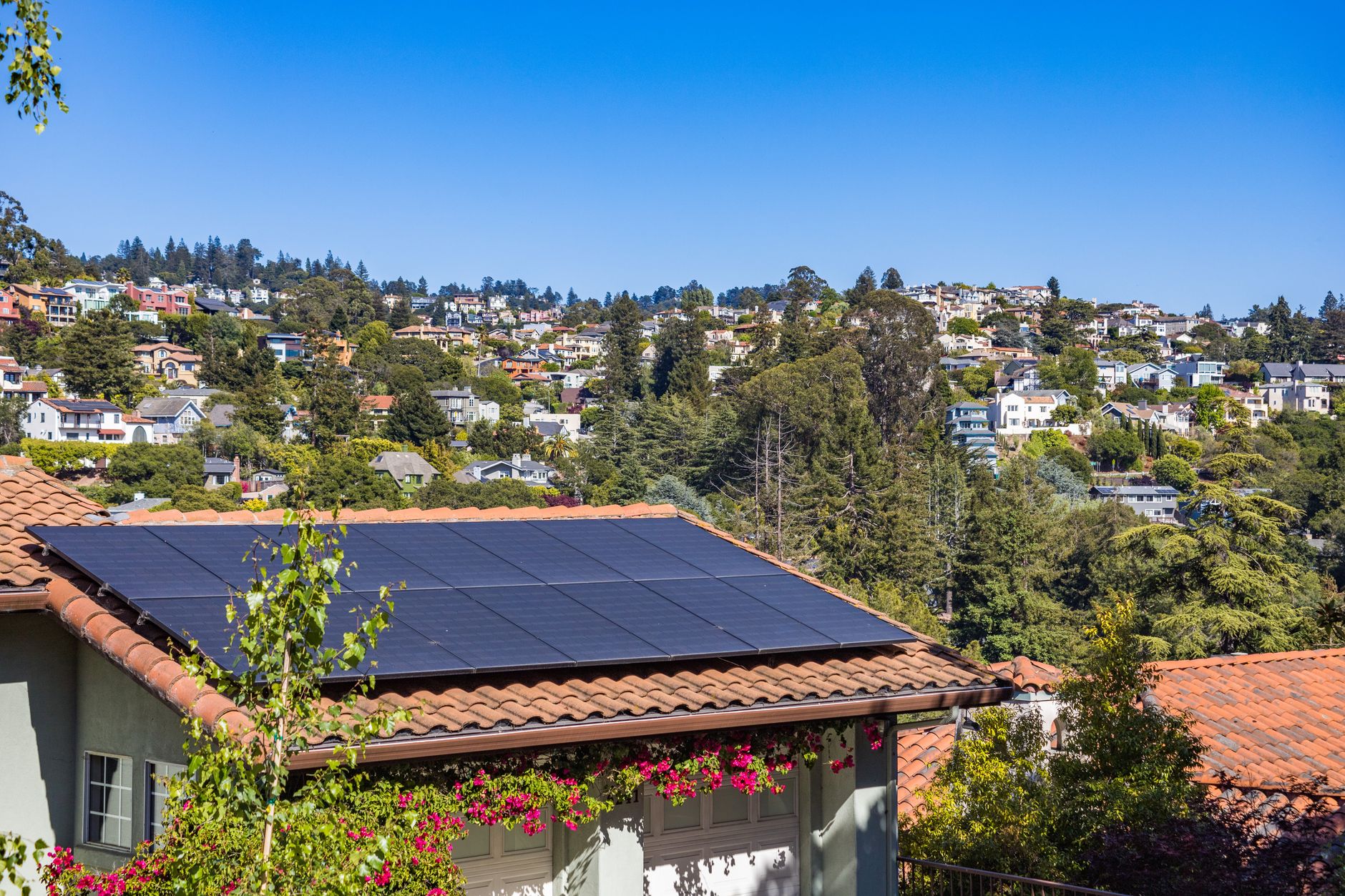
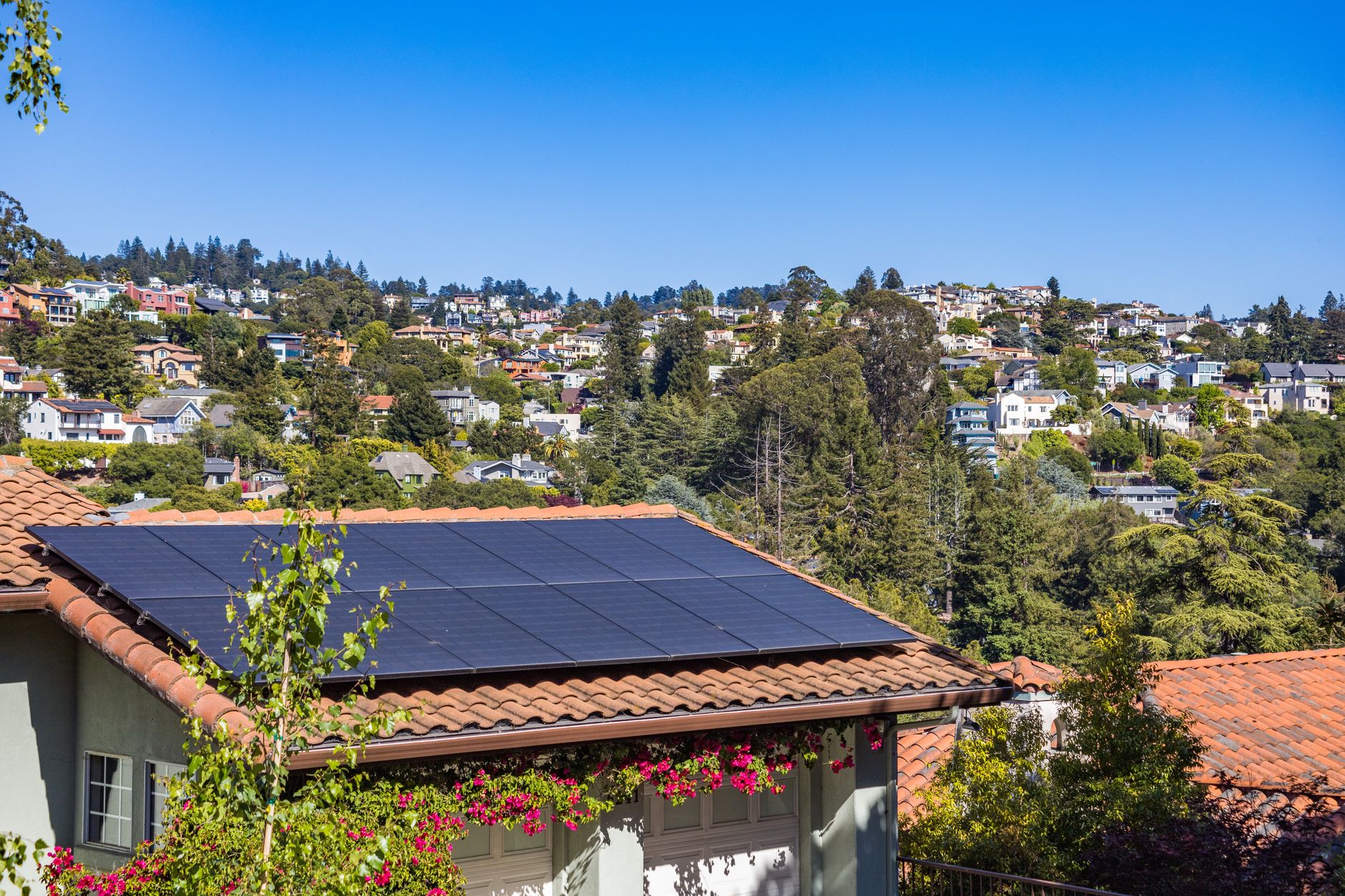
Solar panels are the biggest single step you can take toward cutting your electric bill. A typical 6-8 kW rooftop system costs $15,000-$25,000 before incentives, but the 30% federal solar tax credit drops that to $10,500-$17,500. Depending on your sun exposure and utility rates, the payback period is 6-10 years. After that, your electricity is nearly free. In states with strong net metering, you can bank excess daytime production and use it at night. Check our net metering guide to see how your utility credits solar exports. If net metering has been reduced in your state, you’ll need a battery to maximize self-consumption.
A home battery lets you store solar energy for use after sunset and during outages. Modern lithium iron phosphate batteries like the Tesla Powerwall 3 or FranklinWH aPower can discharge 10-15 kWh overnight, covering most evening loads. Without a battery, you may export excess solar at a low rate and then buy back expensive peak power. A battery shifts that balance. The exact battery you choose depends on your daily evening consumption and outage needs. A typical 10 kWh battery costs $8,000-$12,000 installed after incentives. The payback is longer than solar alone, but the resilience benefit during blackouts is worth it for many homeowners.
If you cannot install rooftop solar due to shading, roof condition, or HOA rules, consider community solar. You subscribe to a shared solar farm and receive bill credits proportional to your share. There is no upfront cost, and savings are usually 5-15% off your utility bill. Another option is a portable power station with solar panels for critical loads like refrigerators and medical equipment. That won’t cut your whole bill, but it can keep essentials running during an outage. To compare solar plus storage against a backup generator, see our analysis on solar battery vs generator.
- Electrify smarter and stack rebates, tax credits, and behavioral changes
The final step is electrifying the rest of your home and stacking incentives. A heat pump water heater uses 60-70% less electricity than a standard electric tank. It costs $1,500-$3,000, but federal tax credits and utility rebates often cover 50% or more. That upgrade alone can save $300-$500 per year. An induction cooktop is another efficient choice, though the energy savings are modest. More importantly, it eliminates indoor combustion pollutants and cooks faster. If you have an old electric resistance furnace, replace it with a cold-climate heat pump. Pair it with a smart thermostat for maximum savings. These upgrades reduce your total kWh demand, so a future solar array can be smaller and cheaper.
Incentives are the secret weapon. The Inflation Reduction Act extended the 30% federal tax credit for solar, batteries, heat pumps, and other efficiency upgrades through 2032. Many states and utilities add rebates on top. For example, some utilities offer $500-$1,000 for a heat pump water heater or $0.50 per watt for solar. Always check the solar tax credit rules and your local utility’s rebate portal before buying. Stacking a federal credit, a state rebate, and a utility rebate can cut the upfront cost of a heat pump or battery by 50-70%. That dramatically shortens the payback period.
Finally, adopt no-cost habits that lower your bill every month. Set your thermostat to 78°F in summer and 68°F in winter, and wear appropriate clothing. Use ceiling fans to feel 4 degrees cooler, which lets you raise the thermostat. Wash clothes in cold water and hang dry when possible. Close blinds on hot afternoons. Cook with a microwave or toaster oven instead of the full oven. Turn off lights when you leave a room. These changes may seem small, but combined they can trim another 5-10% off your bill. The goal is to build a home that uses less energy without you thinking about it every day.
Red Flags & Warnings
- 🚨 Never run a portable generator indoors or in an attached garage. Carbon monoxide from a generator can kill in minutes. Place it at least 20 feet from your home with the exhaust pointing away.
- 🚨 Do not install solar panels, batteries, or transfer switches yourself unless you are a licensed electrician. Incorrect wiring can cause fires, electrocution, or void your insurance. Get at least three quotes.
- 🚨 Some utilities are reducing net metering credits. Before sizing a solar system, check your utility’s current export rate. Oversized solar may not pay back if you are paid only avoided cost for excess generation.
- 🚨 In cold climates, do not replace your furnace with a standard air-source heat pump unless it is rated for sub-zero temperatures. Choose a cold-climate model with a HSPF of 10 or higher. Otherwise you will rely on expensive backup resistance heat.
- 🚨 Beware of free solar or no-cost insulation scams. No legitimate company gives away a $20,000 solar system. Read all contracts and check for liens before signing. Use a NABCEP-certified installer for solar.
- 🚨 A battery alone will not lower your bill without a time-of-use plan or solar. If you install a battery and keep buying all your electricity at flat rates, the battery only provides backup power. Make sure the economics work before spending $10,000+.
Frequently Asked Questions
What is the fastest way to lower my electric bill?
Start with a home energy audit and then fix your biggest loads. Set your thermostat back 7-10 degrees when away, switch to LED bulbs, and unplug phantom loads. These changes can cut your bill 10-15% within a month.
How much can a smart thermostat really save?
ENERGY STAR estimates 8-10% on heating and cooling. On a $200 monthly bill with $100 of HVAC costs, that is $8-$10 per month. The typical payback is under one year.
Do solar panels eliminate an electric bill?
Yes, in many states with strong net metering, a properly sized solar system can reduce your utility bill to just the monthly connection fee. With a battery, you can achieve near-zero energy costs. But the upfront cost is significant, and payback depends on local rates.
Is a heat pump worth the upfront cost?
If you currently heat with electric resistance or oil, a heat pump can cut heating costs 50% or more. With rebates and tax credits, the net cost is often comparable to a new AC and furnace. The payback is 3-7 years in most climates.
Can I lower my bill without spending any money?
Yes. Raise your thermostat in summer, lower it in winter, wash clothes in cold water, turn off lights, and run heavy appliances late at night. These behavioral changes can save 5-15% with zero investment.
What is phantom load and how do I stop it?
Phantom load is standby power used by electronics when off. Use smart power strips, unplug chargers and rarely used devices, and look for ENERGY STAR products with low standby wattage. Cutting phantom loads typically saves $10-$20 per month.
What Should You Remember?
- Audit first - know your kWh usage before spending money on upgrades.
- Kill phantom loads - smart power strips and unplugging can save 5-10%.
- Optimize HVAC - smart thermostat and heat pump deliver the biggest savings.
- Shift heavy loads - off-peak rates make laundry and EV charging much cheaper.
- Go solar with storage - net metering plus battery can cut bills by 70-100%.
- Electrify and stack rebates - heat pump water heater and federal tax credits slash costs.
This article is for general information only. Home energy systems involve high-voltage electrical work, building codes, permits, and in some cases utility interconnection approvals , always consult a licensed electrician and your local authority before making purchase or installation decisions. Product specs, pricing, and incentives (including tax credits and net metering) change frequently; verify current details with the manufacturer and your utility.