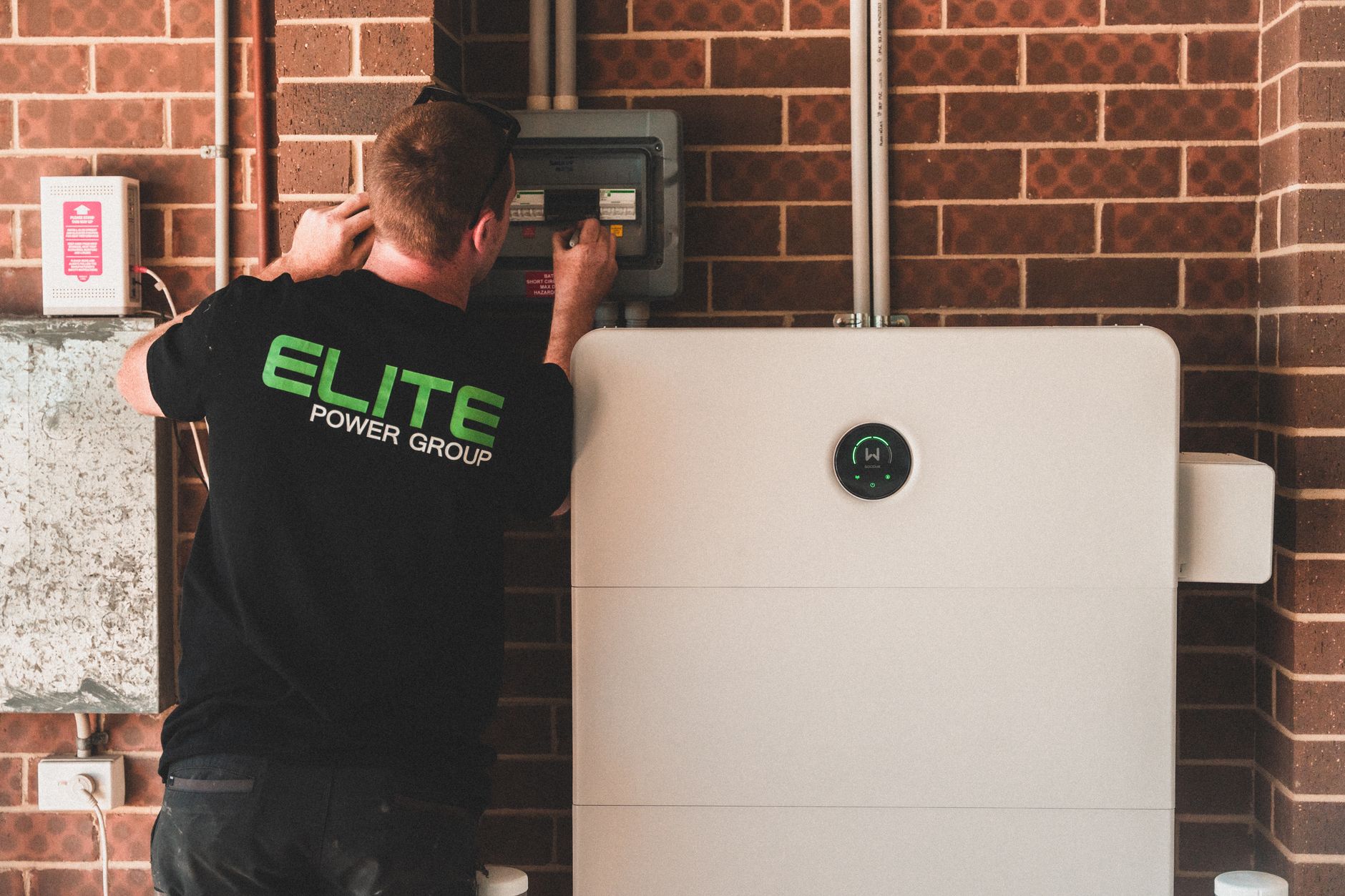
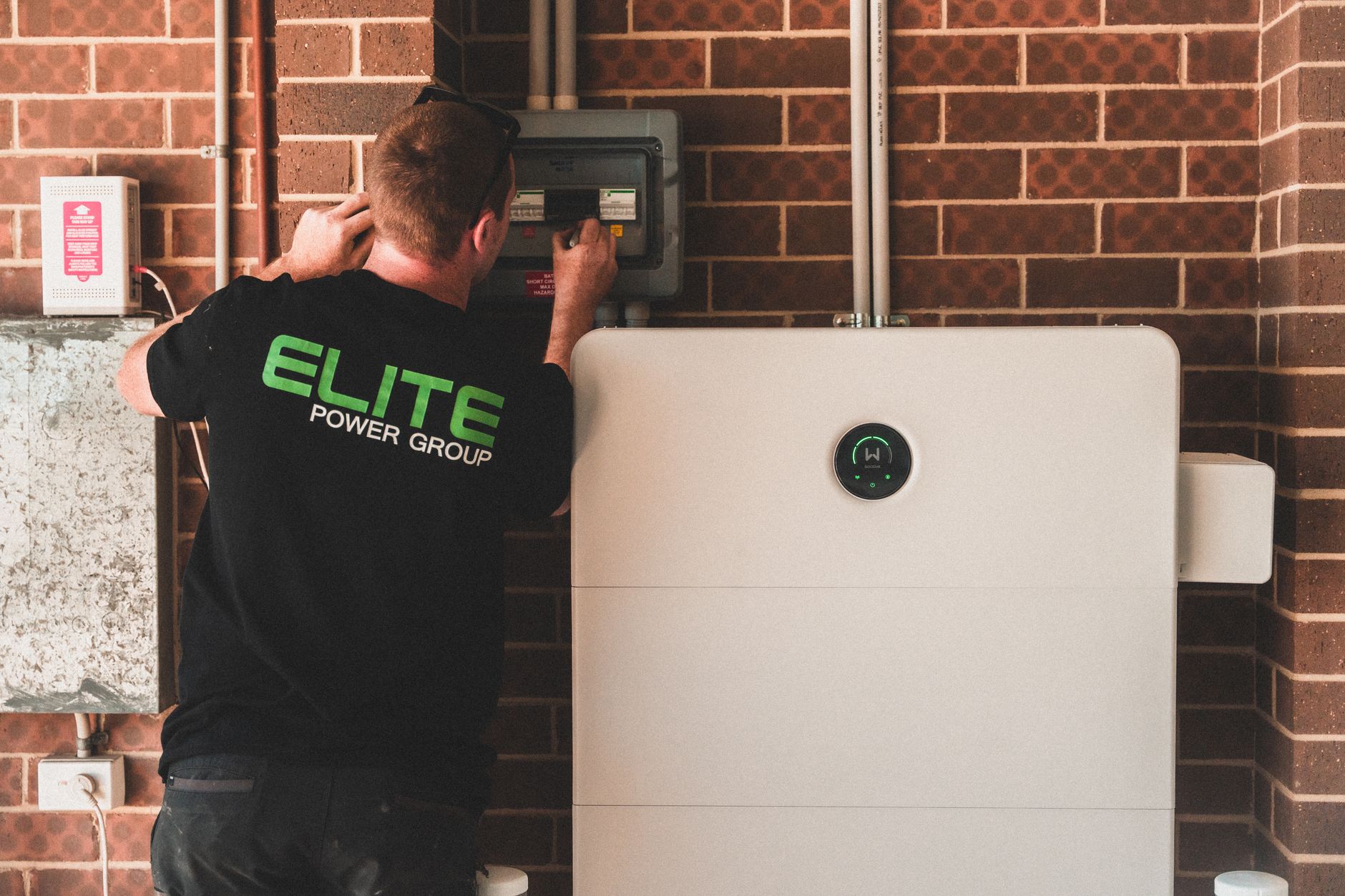
Homeowners often see a single battery listed for $9,000 and assume that is the total cost. That number rarely covers installation, a critical loads panel, permits, and inverter work. In 2026, a whole-home battery install typically lands between $12,000 and $22,000 for one unit. Large or all-electric homes often need two or three batteries. Before you sign a quote, you need to understand the line items. Use our guide to the best whole-home batteries of 2026 to compare current models.
Whole home backup is not the same as backing up a few circuits. If you want every light, outlet, and 240-volt appliance to run during an outage, the system must carry your peak load. That often means multiple batteries and a larger inverter. If you back up only critical loads, one battery may be enough. The difference changes your total cost by thousands. Learn how to match capacity to your actual needs in our sizing guide.
Solar pairing changes the math too. A battery charged by solar can qualify for the 30 percent federal tax credit. Standalone batteries may still qualify if they meet certain capacity and charging rules. Pairing with solar also shifts how you use stored energy. If you already have panels, a battery can help you avoid high time-of-use rates. This also ties into overall solar cost and the federal solar tax credit rules.
The cost data below comes from installer quotes, utility program filings, and national lab research. The National Renewable Energy Laboratory, often called NREL, tracks battery performance and cost trends. According to NREL, residential lithium-ion systems now show round-trip efficiencies between 85 and 90 percent. That means you lose 10 to 15 percent of the energy between charging and discharging. This efficiency matters when you size a battery for a full home.
What You’ll Need
- Utility bills for the past 12 months
- List of critical appliances and their running watts
- Breaker panel label or photo
- Three quotes from licensed installers
How Do You Calculate Whole-Home Battery Cost in 2026?
- Decide what whole-home backup means for your house
Before you price anything, decide which circuits must stay on during an outage. Whole-home backup means the battery powers the entire main service panel. That includes large loads like central air conditioning, electric heat, well pumps, and EV chargers. Essential load backup covers a smaller panel with your refrigerator, lights, medical equipment, internet, and a few outlets. The first option uses much more battery capacity. If you want the air conditioner to run in a summer blackout, check its locked rotor amps. That starting surge can be three to five times the running current. A battery inverter must handle that spike. Many single-battery systems cannot start a 4-ton or 5-ton heat pump. This single decision may push you from one battery to two. Preparing for outage loads takes careful planning. Most homeowners settle on a middle path. A subpanel backs up critical 120-volt loads and one larger 240-volt load, like a well pump or a refrigerator. This keeps the battery count lower. It still covers the things that prevent a house from being uninhabitable. Be honest about what you actually need. That honesty is the first cost control lever.
- Measure your daily and peak electricity use
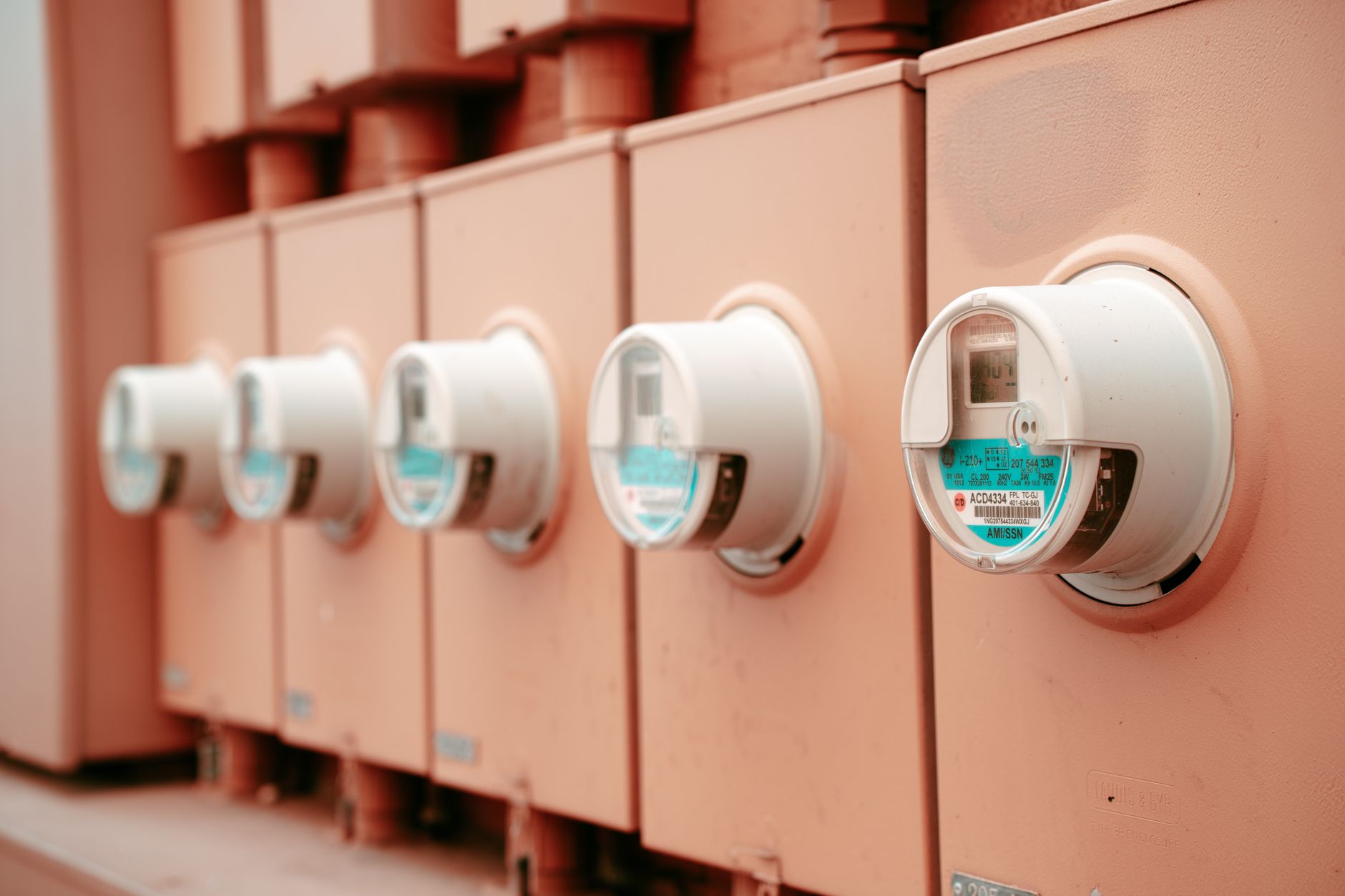
Pull your utility bill and find the average daily kilowatt-hour use. The U.S. Energy Information Administration says the average home uses about 29 kWh per day. That number varies widely by region and season. A home in Texas in July may use 60 kWh per day or more. A small apartment may use 10. Your battery bank must cover at least the hours you plan to run without solar. Peak power is the bigger cost driver. Look at your breaker panel for the largest double-pole breakers. A 50-amp electric range can draw 12 kW at full output. A 3-ton central AC may pull 4 kW running and 9 kW starting. Add the running loads that would be on at the same time. That sum tells you the minimum inverter and battery power rating. Our how to size a home battery guide has a worksheet. If your peak is above 12 kW, one battery is already at its limit. You may need two batteries or a system with a larger inverter. This is why whole-home backup costs more than critical load backup. Most people can run critical loads on 5 to 8 kW. Full home backup often needs 12 to 20 kW of inverter capacity.
- Pick a battery chemistry and model
Most residential batteries in 2026 use lithium iron phosphate, or LFP. LFP is safer and lasts longer than older nickel manganese cobalt chemistries. NREL research shows LFP cells often handle 4,000 or more cycles before hitting 80 percent capacity. Many warranties now cover 10 years or 6,000 to 10,000 cycles. The chemistry matters less for daily use and more for how many years you keep the system. Round-trip efficiency changes how much solar energy you actually get back. NREL reports residential lithium-ion systems lose 10 to 15 percent on each charge-discharge cycle. If you put 10 kWh into the battery, expect 8.5 to 9 kWh out. A battery with 90 percent efficiency wastes 1 kWh for every 10 stored. That inefficiency adds up over a decade. Product names matter because installer pricing revolves around them. The Check the Tesla Powerwall 3 on Amazon is a common reference point. It offers about 13.5 kWh of usable capacity and 11.5 kW continuous output. The Check the Enphase IQ Battery 5P on Amazon is smaller, often stacked for whole-home use. You may not buy these online, but checking retail listings gives you a baseline before installers add labor.
- Break down the installed cost equation
An installed battery quote has four main parts: battery hardware, inverter, electrical labor, and the backup panel. A typical 13.5 kWh battery unit costs $8,000 to $12,000 at retail. Installation labor runs $3,000 to $6,000 depending on the home. A new critical loads panel or transfer switch adds $1,500 to $3,500. Permits and inspection fees add another $500 to $1,500. If you already have solar, you may still need a new inverter or a hybrid inverter to manage battery charging. Some batteries include an integrated inverter. Others require a separate unit. Our best whole-home batteries of 2026 list shows which models include the inverter. A separate inverter can add $2,000 to $4,000 to the total. For a single 13.5 kWh system, the total often lands between $14,000 and $20,000 before tax incentives. For a two-battery whole-home system, the installed price commonly reaches $28,000 to $38,000. These are not hard numbers. They reflect quotes I see for standard single-phase 200-amp homes. Multi-unit buildings and main panel upgrades push costs higher.
- Apply solar pairing and tax incentives
The federal Investment Tax Credit covers battery storage when it is charged by solar at least part of the time. In 2026, the credit is 30 percent of eligible system costs. That includes the battery, inverter, labor, and the electrical panel if the panel upgrade is needed for solar. A $25,000 battery install drops by $7,500 before local incentives. If you install a standalone battery and charge it only from the grid, the rules are tighter. The credit still applies if the battery has at least 3 kWh of capacity and meets efficiency standards. Check the updated rules in our solar tax credit guide. The credit is not a rebate. You claim it on your federal taxes and it offsets what you owe. Net metering also changes the value of a battery. If your utility gives full retail credit for exported solar, a battery may have a longer payback. If your utility uses time-of-use rates, a battery can save more by discharging during peak hours. Net metering rules vary by utility and affect how much you save. Pairing with solar also adds cost, so factor that into your total.
- Compare whole-home battery costs to a generator
A standby generator typically costs $7,000 to $15,000 installed. That is often less than a multi-battery system. But generators need fuel, annual maintenance, and they produce exhaust. In an extended outage, a 20 kW generator can burn 0.5 to 1.5 gallons of propane or natural gas per hour. Fuel costs add up fast if the outage lasts days. Batteries have near-zero operating costs after installation. They recharge from solar if you have panels. They are silent and produce no carbon monoxide. Generators must never run indoors or near windows. Carbon monoxide poisoning kills hundreds of people in outages each year. A battery avoids that risk entirely. That safety difference is hard to put in a simple payback spreadsheet. For most homeowners, the right answer is not one or the other but a layered backup plan. A battery gives you instant, silent power for short outages. A generator can cover long outages and heavy loads. Our solar battery vs generator guide compares warranties, runtimes, and maintenance. A hybrid approach may include both a battery and a standby generator.
- Collect quotes and watch for hidden costs
Get three quotes from licensed solar or battery installers. The bids will look different because some include the backup panel while others do not. Ask for a line item on every bid. A single bottom-line number hides whether you are paying for a critical loads panel, a main panel upgrade, or a battery management system. A main panel upgrade is the most common surprise. If your existing panel is 100 amps or is overloaded, the inspector may require a new 200-amp panel. That upgrade alone costs $2,000 to $5,000. It is often necessary for whole-home backup because you need room for the battery breaker and future loads. Ask each installer whether the quote includes this work. Some batteries need a hybrid inverter that works with your solar array. If you install a battery later, a string inverter may need to be swapped or paired with an additional unit. Our what is a hybrid inverter guide explains the difference. Check current inverter options and their battery compatibility before you buy.

- Verify safety standards and certified installation
Home batteries are not plug-and-play appliances. They store high-voltage DC energy and connect to your home’s AC system. The system must meet UL 9540 for energy storage safety. The installation must follow National Electrical Code requirements and local fire codes like NFPA 855. A licensed electrician handles the wiring, disconnects, and labeling. Look for products that appear in ENERGY STAR’s certified battery storage list. ENERGY STAR certification means the battery meets efficiency and performance test standards. It also makes the system eligible for certain utility rebates. Not every battery qualifies, so check before you buy. The listing includes specifications for standby power and round-trip efficiency. Do not allow any installer to skip the permit or inspection. Permits create a public record of the work and verify that the installation meets code. Some utilities also require an interconnection agreement before the battery can export or charge from the grid. The agreement can take weeks, so start it early. A safe install is never a place to save money.
Red Flags & Warnings
- 🚨 Do not buy a battery based only on the advertised price per kilowatt-hour. Installation, inverter compatibility, and backup panel work often double the hardware cost.
- 🚨 Never attempt a DIY battery installation. High-voltage DC can cause severe injury or death, and an unpermitted system can void your homeowners insurance.
- 🚨 Watch for hidden main panel upgrades. If your existing panel cannot handle the battery breaker, you may face an extra $2,000 to $5,000 charge after the quote.
- 🚨 Check temperature limits before you install a battery in a garage or outdoor location. Many batteries derate output above 30 degrees Celsius or below freezing unless they have thermal management.
- 🚨 Do not assume one battery will start your central air conditioner or heat pump. A single 13.5 kWh battery with a 11.5 kW inverter may still fail on locked rotor amps. Ask for a startup test before you sign.
- 🚨 Be skeptical of quotes that exclude the critical loads panel. Without it, your battery may only back up a few circuits and you will find out during the first outage.
Frequently Asked Questions
How much does a whole-home battery cost in 2026?
A one-battery system often costs $12,000 to $22,000 installed before incentives. A two-battery whole-home setup commonly runs $28,000 to $38,000. The federal tax credit and local rebates can reduce these totals by 30 percent or more.
Does a battery qualify for the 30 percent federal tax credit?
Yes, if the battery is charged by solar at least part of the time. Standalone batteries can also qualify if they have at least 3 kWh of capacity and meet efficiency standards. Claim the credit on IRS Form 5695. Check our solar tax credit guide for current details.
How many batteries do I need for whole-home backup?
Start with your daily energy use and peak load. A home using 29 kWh per day with 12 kW peaks often needs two 13.5 kWh batteries. Critical load backup may need only one. Use the sizing guide to match capacity to your appliances.
Can a battery power my central air conditioner?
It depends on the inverter’s surge rating and the AC’s locked rotor amps. A single 13.5 kWh battery with 11.5 kW continuous output may not start a 4-ton or 5-ton heat pump. Two batteries or a larger inverter may be required. Always ask for a startup test.
How long will a whole-home battery run during an outage?
A 13.5 kWh battery can run a refrigerator, lights, internet, and a few outlets for 12 to 24 hours without solar. If it is also powering central AC, the runtime may drop to a few hours. Solar recharging extends runtime indefinitely during sunny days.
What hidden costs should I expect?
Watch for main panel upgrades, a critical loads panel, a hybrid inverter swap, and permit fees. A main panel upgrade can add $2,000 to $5,000. Battery backup also requires an interconnection agreement from your utility in some areas.
What Should You Remember?
- Cost range: budget $12,000 to $22,000 for one whole-home battery installed before incentives.
- Peak load: size the inverter for starting surges from air conditioners, well pumps, and heat pumps.
- Solar pairing: the 30 percent federal tax credit can cut your net cost, but only if the battery is solar charged.
- Hidden costs: ask for line item quotes that include the backup panel, main panel upgrade, and permit fees.
- Safety first: choose UL 9540 listed batteries and ENERGY STAR certified models installed by a licensed electrician.
- Compare backup options: a generator may cost less upfront, but a battery avoids fuel and carbon monoxide risks.
This article is for general information only. Home energy systems involve high-voltage electrical work, building codes, permits, and in some cases utility interconnection approvals , always consult a licensed electrician and your local authority before making purchase or installation decisions. Product specs, pricing, and incentives (including tax credits and net metering) change frequently; verify current details with the manufacturer and your utility.