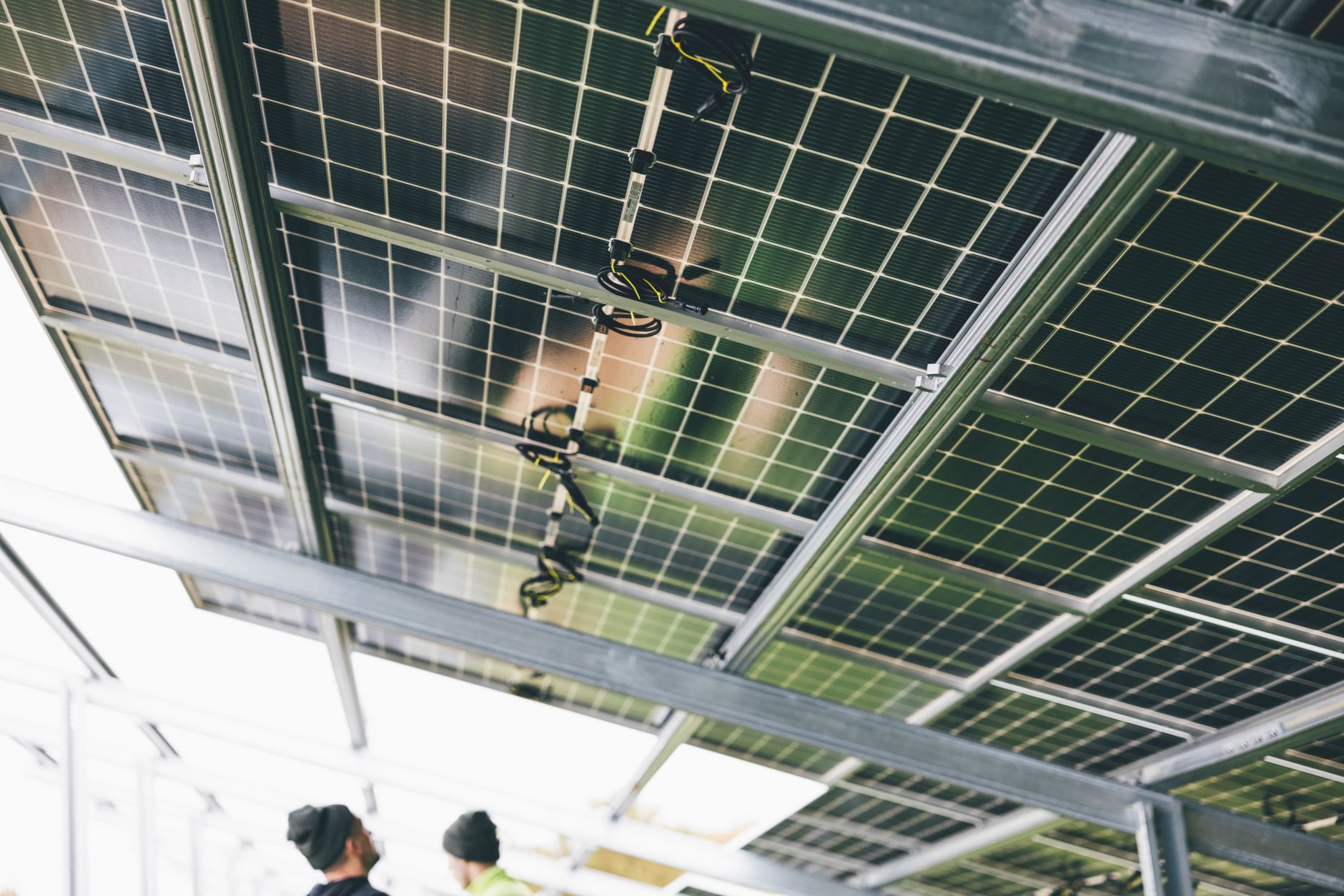
Power outages are getting longer and more frequent. Storms, heat waves, and an aging grid now push many homeowners past the point where a flashlight and a cooler feel adequate. A 2026 backup power decision comes down to two paths: store electricity in a solar battery or burn fuel in a generator. Both can keep your lights on, but they solve very different problems. The right choice depends on how long your outages last, what appliances you need, and whether you have solar panels. Before you buy, start with a clear list of critical loads. Our how to prepare for power outages guide walks through that planning step by step. This article compares real-world performance, installed cost, and safety, not marketing language.
Method matters. I compare these systems the way a backup-power installer would: running watts, surge watts, runtime at a given load, noise at 23 feet, fuel consumption, and installed price. A battery shines for silent daily cycling and short outages. A generator shines for long, fuel-hungry outages with heavy 240-volt loads. A hybrid system can capture some of both. The right answer depends on your outage pattern, solar array size, and tolerance for maintenance. For a wider comparison, see home battery vs generator vs solar explained. That guide explains the technical tradeoffs in plain language.
Prices have shifted for 2026. Lithium iron phosphate batteries now cost less than they did five years ago, and the solar tax credit 2026 can cover 30 percent of a battery installed with solar. Generators did not get cheaper. Natural gas and propane prices also vary by state and season. A portable generator looks cheap at $800 until you add fuel cans, extension cords, and a proper inlet. A solar battery looks expensive at $10,000 until you count avoided outage losses, zero fuel, and daily bill savings. Check whole-home battery cost 2026 for installed price ranges in the United States.
Safety drives code requirements. A permanent generator or battery needs a transfer switch to isolate your house from the utility before backup power turns on. That switch must be sized and installed by a licensed electrician. Portable generators create carbon monoxide, so they must stay outside and at least 20 feet from doors, windows, and vents. Never backfeed a dryer outlet or panel without an interlock. EnergySage has detailed code guidance for storage and generator transfer-switch requirements, which you can review at EnergySage. Also compare top options in our best home backup generators 2026 list. This article assumes code-compliant installation with a transfer switch or interlock.
How Do the Top Options Compare?
| Option | Best For | Running / Surge Output | Runtime | Noise | Upfront Cost | Key Limit |
|---|---|---|---|---|---|---|
| Whole-home solar battery | Daily solar cycling and silent short outages | 11.5 kW continuous / 15.4 kW surge (13.5 kWh) | 6-8 hours at 1,800 W; recharges daily with solar | 0 dBA | US$8,000-$14,000 installed | Limited stored energy without sun |
| Standby generator | Automatic whole-home backup for days | 22-24 kW continuous / higher surge | Days on natural gas or LP | 60-65 dBA at 23 ft | US$5,000-$8,000 plus install | Fuel cost and annual maintenance |
| Portable inverter generator | Essential circuits on a budget | 1,800 W continuous / 2,200 W surge | 8.1 hr at 25% load on 0.95 gallons | 48-57 dBA | US$600-$2,500 | Manual setup and no whole-home circuit |
| Portable power station | Indoor short outages and medical devices | 4,000 W continuous / 8,000 W surge (4 kWh) | 2-5 hours at 1,800 W | <30 dBA | US$1,200-$4,000 | Low capacity per dollar |
| Hybrid battery + generator | Multi-day outages and off-grid resilience | 15 kWh battery + 10-24 kW generator | Days with generator; 10-12 hours on battery | 0 dB on battery; 60-65 dB on generator | US$12,000-$25,000 | Highest upfront and system complexity |
Prices are typical installed U.S. ranges before incentives. Generator noise measured at 23 ft; battery noise is zero. Runtime depends on load, temperature, and fuel supply. Always confirm transfer-switch and permit requirements with a licensed electrician.
1. Whole-Home Solar Battery , Best for silent, automatic backup with solar
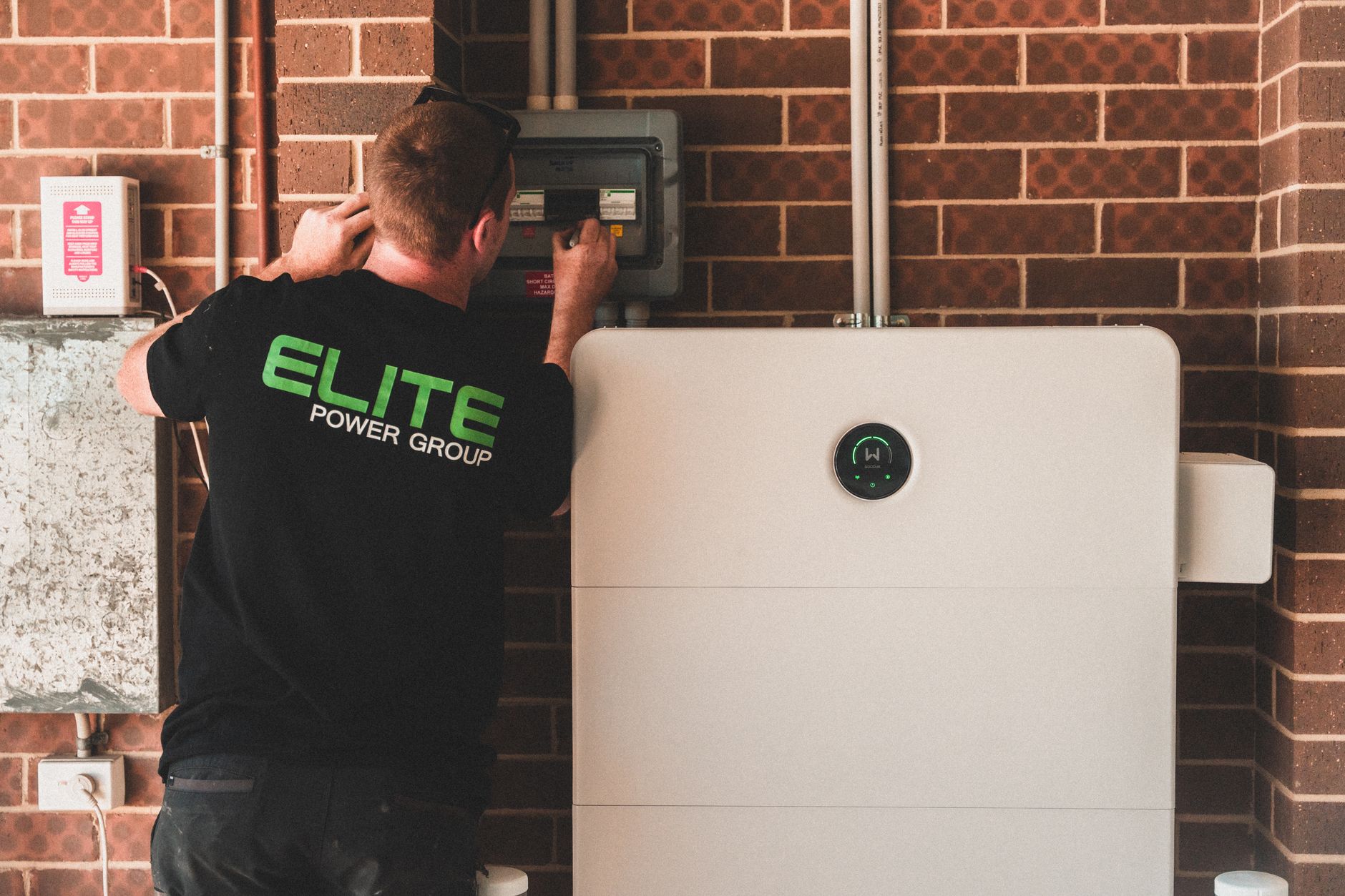
A solar battery stores your own solar production and pushes it back at night or during an outage. The Tesla Powerwall 3 is the reference unit in 2026: it delivers 11.5 kW continuous and 15.4 kW surge, enough to start a 3-ton central AC and run a refrigerator, lights, and a well pump at the same time. Check the Tesla Powerwall 3 on Amazon. Battery systems switch over in under a second, so your clocks and internet never notice the grid failed.
That speed and silence come at a price. A single 13.5 kWh Powerwall 3 costs roughly US$8,000 to US$14,000 installed before the solar tax credit 2026. A second battery often makes sense for longer outages. The whole-home battery cost 2026 guide breaks down those numbers by capacity and installer. Batteries also save money daily by time-shifting solar, which generators cannot do.
Runtime is the main weakness. A 13.5 kWh battery running a 1,800 W fridge and a few lights lasts about 6 to 8 hours. It can recharge from solar the next day, but a cloudy winter week means you may need to shed loads. NREL research shows lithium iron phosphate systems hold roughly 85 to 90 percent round-trip efficiency, so some energy is lost as heat during conversion. For more choices, compare best whole-home batteries 2026.
Key strengths:
- ✅ Silent operation with zero exhaust and no fuel storage
- ✅ Automatic sub-second transfer during an outage
- ✅ Charges from your own solar and cuts utility bills
- ✅ Low maintenance with no oil changes or spark plugs
- ✅ Stackable capacity for longer runtimes
- ❌ High upfront cost compared with a generator
- ❌ Limited runtime without sufficient solar recharge
- ❌ Needs a compatible inverter and professional installation
Who it’s for: Choose a whole-home solar battery if you already have solar or plan to add it and want silent, automatic backup with daily bill savings.
2. Standby Generator , Best for long whole-home outages and heavy loads

A standby generator sits permanently outside on a concrete pad and starts itself when utility power drops. A 24 kW air-cooled unit runs 24,000 watts continuously and can start a 5-ton AC, an electric range, and a well pump. It burns natural gas or liquid propane, so you do not refill cans during a storm. For recommended units, see best home backup generators 2026. A licensed electrician installs it with an automatic transfer switch, which also satisfies utility safety requirements.
Fuel is the real story. At full load, a 24 kW unit can consume 200 to 300 cubic feet of natural gas per hour. That often works out to $3 to $6 per hour during an outage. Gasoline or propane portable units cost even more per kilowatt-hour. The generator also needs annual maintenance: oil, filters, battery, and sometimes a valve adjustment. Noise lands around 60 to 65 dBA at 23 feet, similar to a vacuum cleaner. Check the Generac Guardian 24kW on Amazon.
The upside is endurance. As long as the gas utility keeps delivering, a standby generator runs for days without load shedding. That matters after hurricanes, ice storms, or grid failures that outlast a single battery charge. The downside is zero daily value: it never lowers your electric bill and has no solar integration. For installation code details, refer to EnergySage.
Key strengths:
- ✅ Runs for days on natural gas or propane without refueling
- ✅ Automatic startup and whole-home output including large motors
- ✅ Lower upfront price per kilowatt than lithium batteries
- ✅ Proven technology with local service networks
- ❌ Burns fuel continuously and offers no daily bill savings
- ❌ Requires annual maintenance and permits
- ❌ Noisy enough to bother neighbors in quiet neighborhoods
Who it’s for: Choose a standby generator if your outages last more than a day and you want automatic whole-home power without depending on solar.
3. Portable Inverter Generator , Best for small budgets and essential circuits
A portable inverter generator is the cheapest serious backup option for renters and small homes. A 1,800 W continuous unit provides 2,200 W of surge, which starts a refrigerator compressor and runs a few lights plus a fan. On a 0.95-gallon tank, it runs about 8.1 hours at 25 percent load. Noise sits near 57 dBA at rated load, quieter than a standard open-frame generator but still audible inside a tent or open window. Use it with heavy-duty 12-gauge extension cords or a generator inlet and interlock kit installed by an electrician.
The setup is manual. When power fails, you wheel the generator outside, add fuel, start it, and plug in each load one by one. That works for a planned one-night outage. It becomes tedious for a week without power. You also need to store gasoline safely, rotate fuel, and keep the carburetor clean. Inverter generators sip fuel at low load, but at full output a small unit may only run 4 to 5 hours per tank. For a full list of top performers, check best home backup generators 2026.
Do not run a generator indoors or in a garage. Carbon monoxide is odorless and deadly. Place it at least 20 feet from doors, windows, and vents, with a battery-powered CO detector nearby. A portable generator cannot power central AC or an electric water heater. It is a temporary essentials solution, not whole-home backup. Our how to prepare for power outages guide shows which loads matter most.
Key strengths:
- ✅ Low upfront cost, often under $1,500
- ✅ Lightweight and portable for camping or job sites
- ✅ Efficient fuel use on eco mode
- ✅ Quieter than open-frame generators
- ❌ Manual setup and limited output
- ❌ Requires outdoor operation and fuel storage
- ❌ Will not run central AC or large 240V loads
Who it’s for: Choose a portable inverter generator if you rent or need an affordable way to keep a fridge, lights, and a few devices running through short outages.
4. Portable Power Station (Solar Generator) , Best for indoor, silent, short-duration backup
A portable power station is a lithium battery with an inverter, AC outlets, and solar charge input. It makes no exhaust and almost no noise, so you can run it indoors next to a CPAP machine or home office. A 4,000 W continuous unit with a 4 kWh battery can run a 1,200 W refrigerator, a modem, lights, and a laptop for roughly 2 to 5 hours at 1,800 W. Check the EcoFlow DELTA Pro 3 on Amazon. Recharging takes about 2 hours from AC or 4 to 8 hours from portable solar panels.
Portable stations shine in apartments, condos, and medical-device backup. They cannot legally or practically connect to a whole-home transfer switch unless specified and installed by a professional, and even then most cannot start a central AC compressor. The cost per kilowatt-hour is higher than a whole-home battery. A 4 kWh unit often sells for $2,500 to $4,000, which lands near a small standby generator. For off-grid solar pairings, see best off-grid solar kits 2026.
Capacity fades slowly with use, but modern lithium iron phosphate packs hold thousands of cycles. There is no oil, fuel, or spark plug. That means almost no maintenance beyond keeping the unit charged. The limitation is simple: a portable station is not a whole-home answer. It is a clean, quiet buffer for short outages and specific essential loads.
Key strengths:
- ✅ Indoor-safe with zero exhaust
- ✅ Silent operation and simple push-button start
- ✅ No fuel, oil changes, or maintenance
- ✅ Solar recharge options for extended outages
- ❌ High cost per kilowatt-hour compared with fixed batteries
- ❌ Limited runtime for large loads
- ❌ Not suitable for central AC or well pumps
Who it’s for: Choose a portable power station if you live in an apartment, need indoor backup for medical gear, or want a quiet buffer for short outages.
5. Hybrid Solar Battery + Generator , Best for multi-day blackouts and true energy independence
A hybrid setup pairs a whole-home battery with a standby or portable generator. The battery handles silent overnight loads. The generator starts only to recharge the battery or run big loads during extended outages. This design cuts fuel use dramatically. A 15 kWh battery can run essentials for 10 to 12 hours. Then a 10 kW generator recharges it in about 2 hours and shuts off, instead of idling all night. Our how to go off-grid 2026 guide explains how these pieces fit together.
The cost is substantial. Battery, generator, transfer switch, controls, and installation often reach $12,000 to $25,000 before incentives. A licensed electrician must design the automatic transfer and generator start logic. NREL field studies show hybrid systems can reduce generator runtime by 50 to 90 percent compared with generator-only backup, especially when paired with solar. That cuts maintenance and fuel expenses over time. For full cost context, read whole-home battery cost 2026.
This is the closest you get to energy independence without going fully off-grid. It still relies on some fuel for worst-case weeks, but the battery does the daily work. The complexity means more points of failure and more maintenance than either option alone. If you live in a wildfire, hurricane, or ice-storm zone with multi-day outages, the extra investment often pays for itself in avoided spoiled food, hotel stays, and generator fuel.
Key strengths:
- ✅ Longest resilience with multiple energy sources
- ✅ Cuts generator fuel use and engine wear
- ✅ Battery handles quiet overnight operation
- ✅ Automatic switching and charging between sources
- ❌ Highest upfront and installation cost
- ❌ Complex system design and more maintenance
- ❌ Still depends on fuel for indefinite outages
Who it’s for: Choose a hybrid solar battery plus generator if you want multi-day resilience, lower fuel dependence, and automatic whole-home backup.
Frequently Asked Questions
Is a solar battery better than a generator for home backup?
It depends on your outage length and goals. A solar battery is silent, automatic, and can lower daily electric bills, but it has limited stored energy. A generator runs for days on fuel but costs more to operate and maintain.
How long will a solar battery run my house during an outage?
A typical 13.5 kWh battery running a 1,800 W refrigerator, lights, and internet lasts about 6 to 8 hours. Larger loads or multiple batteries change that runtime. Solar panels can recharge the battery daily if the sun is available.
Can a generator charge a solar battery?
Yes, many hybrid systems allow a generator to recharge a home battery through a compatible inverter and transfer switch. This is useful for multi-day outages when solar production is low.
Do I need a transfer switch for a portable generator?
You need a transfer switch or an interlock kit installed by a licensed electrician to safely connect a portable generator to your home circuits. Never backfeed a dryer outlet or breaker panel.
How much does a whole-home battery cost in 2026?
A single 13.5 kWh home battery typically costs $8,000 to $14,000 installed before the federal solar tax credit. Adding solar or a second battery increases the total project cost.
Are portable power stations safe indoors?
Yes, portable power stations are indoor-safe because they do not burn fuel or produce carbon monoxide. They are a good choice for apartments, medical devices, and short indoor outages.
What Should You Remember?
- Solar batteries provide silent, automatic backup but have limited runtime without solar recharge.
- Standby generators run for days on natural gas or propane but require fuel, maintenance, and permits.
- Portable inverter generators are the cheapest entry point for essential circuits, not whole-home backup.
- Portable power stations are indoor-safe and silent but expensive per kilowatt-hour.
- Hybrid battery plus generator systems deliver multi-day resilience with lower fuel use.
- Transfer switches must be installed by a licensed electrician to meet code and utility safety rules.
- The right backup size depends on outage length, solar access, and your critical loads.
This article is for general information only. Home energy systems involve high-voltage electrical work, building codes, permits, and in some cases utility interconnection approvals , always consult a licensed electrician and your local authority before making purchase or installation decisions. Product specs, pricing, and incentives (including tax credits and net metering) change frequently; verify current details with the manufacturer and your utility.