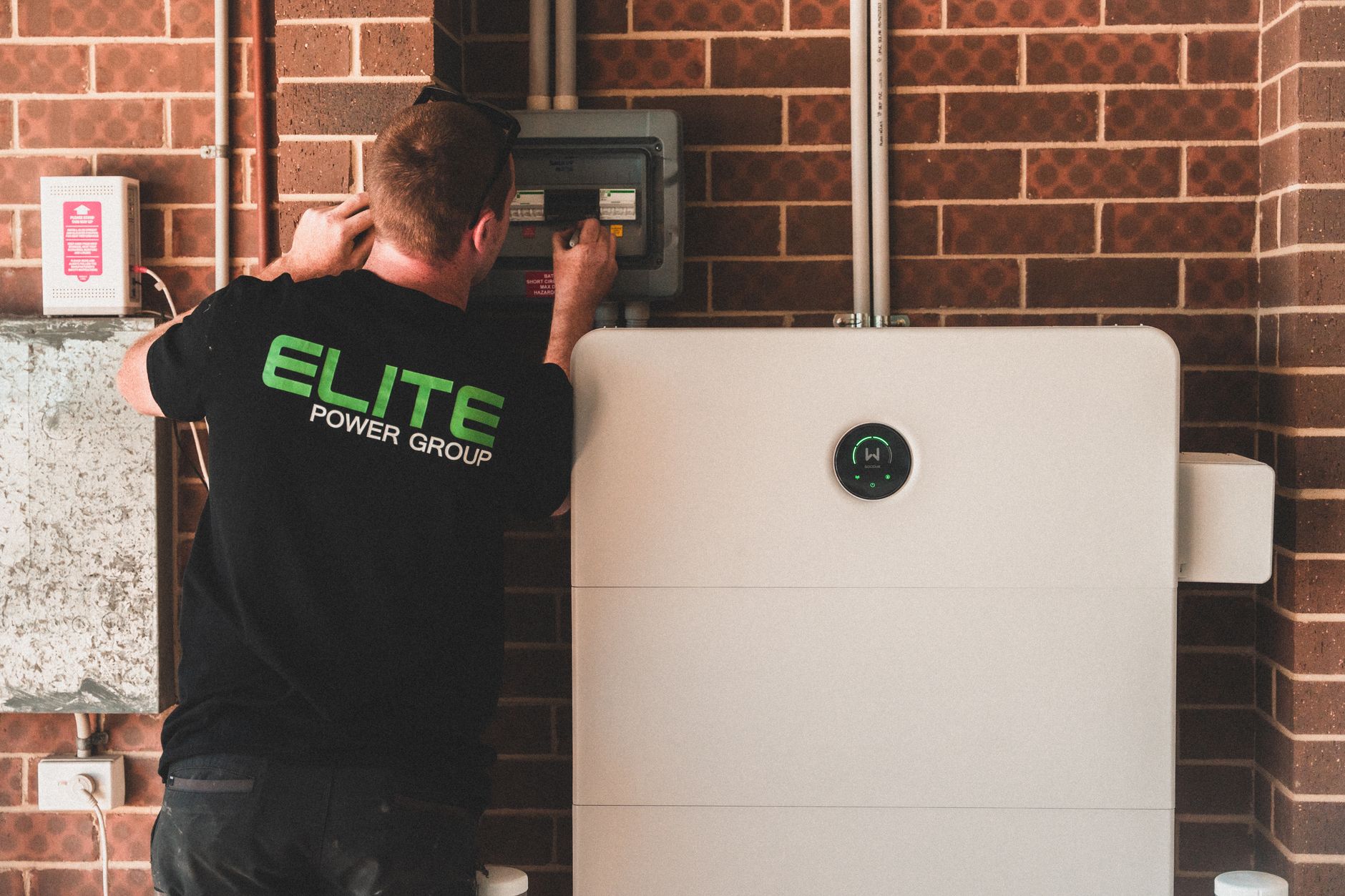
Whole-home batteries are no longer a niche upgrade. Extreme weather, time-of-use rates, and grid instability have pushed more homeowners to add storage in 2026. This guide compares four big names: Tesla Powerwall, FranklinWH, Enphase, and EG4. Each brand uses different chemistry, inverter arrangements, and installer channels. The right choice depends on your panel size, solar setup, and whether you want true whole-home backup or just essential circuits. Check our whole-home battery cost guide before you compare quotes. A single battery can run lighting, refrigeration, and a gas furnace, but whole-home backup demands more planning. You also need to decide between AC and DC coupled storage.
Utility rates remain high, and the federal solar tax credit covers battery storage when the system charges from solar. The U.S. DOE notes that residential batteries listed to UL 9540 are safer and easier to permit. A whole-home battery is not a one-size-fits-all box. Continuous output, surge capacity, and stackability matter more than raw price. Our how to size a home battery guide shows how to add up running watts and motor starting watts. A well pump, sump pump, and AC all have different starting loads. One oversized battery can cost more than your outage savings. One undersized battery will trip when the compressor kicks on.
We reviewed spec sheets, warranty terms, and typical installed pricing for 2026. We did not accept marketing cycle life claims at face value. Some batteries list huge surge watts but only for milliseconds. Others need proprietary gateways. The table below compares five models, not four, because EG4 sells two very different wall and rack units. Price cells link to current Amazon search listings. Installed costs are higher. A certified electrician will add $2,000 to $6,000 for labor, gateway, and panel work. See how to prepare for power outages if you need a whole-home transfer switch. Motors, well pumps, and electric water heaters add load quickly. Know your loads before picking a battery.
According to EnergySage, storage hardware prices have fallen, but soft costs still drive final quotes. A battery’s warranty, thermal management, and installer availability can matter more than the spec sheet. We gave extra weight to batteries with UL 9540 listings and clear 10-year warranties. Some readers want a grid-tied battery with solar. Others need an off-grid bank for a cabin. This comparison explains which model fits each use case, and where the hidden costs hide. A cheap battery can become expensive if the inverter, gateway, and labor are not included. Prices below are starting points, not turnkey installed quotes.
How Do the Top Options Compare?
| Model | Best For | Usable Capacity | Continuous Output | Surge Output | Price |
|---|---|---|---|---|---|
| Tesla Powerwall 3 | Whole-home backup with solar | 13.5 kWh | 11.5 kW | 22 kW (10 sec) | Check price |
| FranklinWH aPower 2 | High-surge whole-home backup | 13.6 kWh | 10 kW | 15 kW (10 sec) | Check price |
| Enphase IQ Battery 5P | Existing Enphase solar systems | 5.0 kWh | 3.84 kW | 7.68 kW (10 sec) | Check price |
| EG4 PowerPro WallMount + 18kPV | Budget outdoor backup | 14.3 kWh | 12 kW | 15 kW (10 sec) | Check price |
| EG4 PowerPro Indoor | Indoor rack battery bank | 14.3 kWh | 12 kW | 15 kW (10 sec) | Check price |
Prices are starting hardware costs, not installed. Tesla, FranklinWH, and Enphase are typically sold through certified installers. Amazon listings may show third-party options. Verify UL 9540 listing and local code requirements before purchase.
1. Tesla Powerwall 3 , Best all-around AC home battery
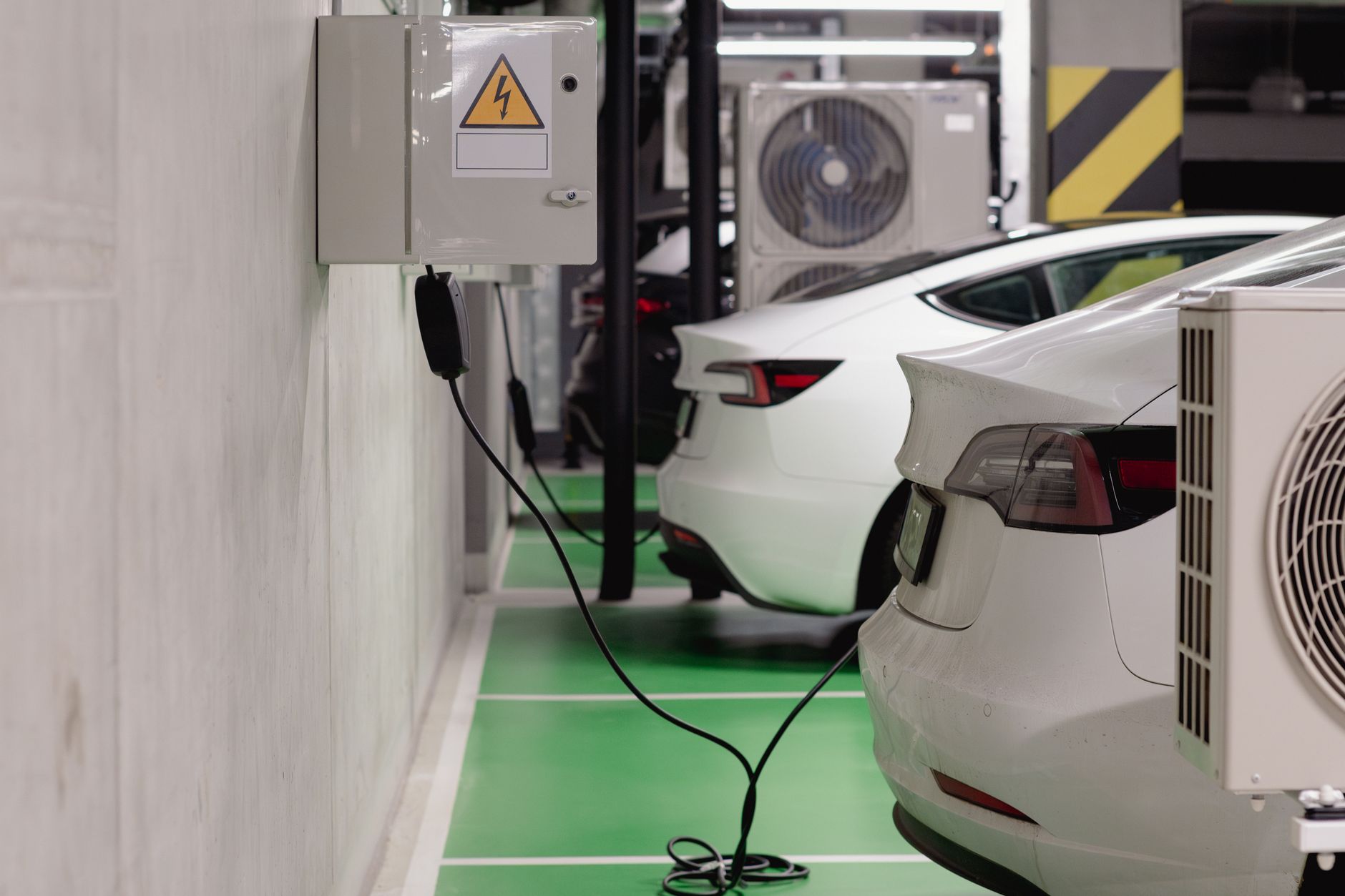
The Powerwall 3 is the default whole-home battery for a reason. It packs 13.5 kWh of usable LFP cells into one wall unit. Continuous output is 11.5 kW, enough to start most 4-ton air conditioners with a soft start. The integrated inverter removes the need for a separate string inverter, which simplifies new solar installs. Check the Tesla Powerwall 3 on Amazon for current hardware pricing. Tesla’s app is responsive, and the 10-year unlimited-cycle warranty covers whole-home backup. But service quality varies by region. If you already have a non-Tesla string inverter, integration may require extra equipment. The solar tax credit article explains how to claim the 30 percent federal credit.
Key strengths:
- ✅ 13.5 kWh usable LFP capacity
- ✅ 11.5 kW continuous and 22 kW surge for motor loads
- ✅ Integrated inverter simplifies new solar installs
- ✅ 10-year unlimited-cycle warranty
- ✅ Excellent Tesla app and monitoring
- ❌ Installer availability and service vary by region
- ❌ Limited integration with some non-Tesla string inverters
- ❌ Hardware price is frequently higher than EG4
Who it’s for: Homeowners who want a proven, single-unit AC battery with whole-home backup and solar integration.
2. FranklinWH aPower 2 , High-surge whole-home backup
The aPower 2 is built for heavy electrical panels. The 13.6 kWh LFP battery delivers 10 kW continuous and handles short surges up to 15 kW. That means a 3-ton AC, a well pump, and a microwave can ride through a transfer without tripping the battery. FranklinWH uses a separate aGate gateway, which manages automatic islanding and transfer. Installers like the aPower 2 because the aGate can stack up to 15 aPower units. You can start with one and add capacity later. The downside is installed price. Most quotes land between $12,000 and $16,000 before incentives. Compare this against a standby generator with our solar battery vs generator guide. Also check the FranklinWH aPower 2 on Amazon for hardware-only listings.
Key strengths:
- ✅ 13.6 kWh usable LFP capacity
- ✅ 10 kW continuous and 15 kW surge for large motor loads
- ✅ Separate aGate gateway enables clean whole-home transfer
- ✅ Expandable up to 15 aPower units
- ✅ Good installer training and support network
- ❌ Installed cost often above $12,000
- ❌ Requires proprietary aGate hardware
- ❌ Battery and gateway are separate wall boxes
Who it’s for: Homeowners with a large 200 A panel who need whole-home surge capability and future expansion.
3. Enphase IQ Battery 5P , Existing Enphase solar systems
The IQ Battery 5P is a 5 kWh LFP unit with a 3.84 kW continuous output. That is small. You need at least two or three 5P batteries to back up a normal 200 A panel. The advantage is tight microgrid integration with Enphase IQ8 microinverters. The system forms an island using the IQ System Controller 3. For homes already running Enphase inverters, this is the cleanest path. The Enphase app shows per-panel and per-battery data without third-party middleware. But the cost per kWh is high. Three 5P batteries total 15 kWh and often cost more than one Powerwall. Before adding storage, check whether your utility has net metering. Time-of-use arbitrage may make a smaller Enphase stack worthwhile even without whole-home backup. Check the Enphase IQ Battery 5P on Amazon for hardware pricing.
Key strengths:
- ✅ Tight integration with Enphase IQ8 microinverters
- ✅ Modular 5 kWh blocks scale from 5 to 80 kWh
- ✅ Excellent monitoring app
- ✅ LFP chemistry and 15-year limited warranty
- ❌ Low continuous output per unit at 3.84 kW
- ❌ High cost per kWh compared to Tesla and EG4
- ❌ Needs multiple units for whole-home backup
Who it’s for: Homeowners with existing Enphase solar who want modular storage and clean monitoring integration.
4. EG4 PowerPro WallMount , Budget outdoor whole-home battery
EG4 targets the cost-conscious buyer. The PowerPro WallMount stores 14.3 kWh of LFP cells in a weather-rated enclosure. Paired with an EG4 18kPV hybrid inverter, the system delivers 12 kW continuous and 15 kW surge. That is close to Tesla Powerwall output at a lower hardware cost. The tradeoff is support. EG4 sells through distributors and online retailers, but certified installer coverage is thinner than Tesla or Enphase. You may need to coordinate electrical work yourself. The battery carries a 10-year warranty, but support is mostly email and phone based.
Key strengths:
- ✅ 14.3 kWh usable capacity per unit
- ✅ Outdoor weather-rated enclosure
- ✅ 12 kW continuous with EG4 18kPV inverter
- ✅ Lower cost per kWh than Tesla or FranklinWH
- ✅ Stackable for larger battery banks
- ❌ Installer support is thinner than big-name brands
- ❌ Requires a compatible hybrid inverter
- ❌ Customer service is email and phone based
Who it’s for: Buyers who want low-cost stored energy and are comfortable coordinating their own electrical installation.
5. EG4 PowerPro Indoor , Indoor rack or basement battery bank
The indoor PowerPro uses the same 14.3 kWh LFP cell block but in a non-weatherized enclosure. It is designed for a basement, garage, or utility room. Because it is indoor only, it costs slightly less than the outdoor WallMount. You can parallel multiple units to build a 28.6 kWh or 42.9 kWh bank. Plan for DC cables, disconnects, and the inverter. This is not a plug-and-play AC battery. Your electrician must install overcurrent protection and a UL 9540 listed energy storage system. The PowerPro Indoor pairs well with an EG4 18kPV or a Schneider XW Pro.
Key strengths:
- ✅ 14.3 kWh LFP capacity at a lower price than the outdoor model
- ✅ Parallels easily for 28.6 kWh or larger banks
- ✅ Works with multiple hybrid inverter brands
- ✅ 10-year warranty
- ❌ Indoor-only installation limits placement
- ❌ Requires a compatible hybrid inverter and separate wiring
- ❌ No integrated gateway or smart app from EG4
Who it’s for: Homeowners with a dedicated utility room or basement who want a low-cost indoor battery bank.
Frequently Asked Questions
What is the best whole-home battery in 2026?
For most homes, the Tesla Powerwall 3 is the best all-around choice because it pairs 13.5 kWh of usable capacity with 11.5 kW continuous output. FranklinWH aPower 2 is better for heavy motor surges, and EG4 PowerPro is best for cost per kWh.
How much does a whole-home battery cost installed in 2026?
Expect $10,000 to $16,000 for a single battery installed before incentives, including gateway and labor. EG4 systems often start around $8,000 with installation. The federal solar tax credit can reduce the net cost by 30 percent if the system meets requirements.
Can I install a whole-home battery myself?
No. Whole-home batteries involve line voltage, transfer switches, and local code requirements. A licensed electrician must install and inspect the system. DIY electrical work on a service panel is dangerous and may void warranties or insurance.
Which battery can run a central air conditioner?
Tesla Powerwall 3 and FranklinWH aPower 2 can start most 3 to 4 ton central AC units when paired with a soft start. Enphase IQ Battery 5P needs at least two units for motor loads. EG4 PowerPro with an 18kPV inverter handles similar surges.
Does a whole-home battery qualify for the federal solar tax credit?
Yes. The Residential Clean Energy Credit covers battery storage if the system is charged by solar at least 75 percent of the time. Storage-only systems may not qualify. Check the IRS form and your installer’s documentation.
What does UL 9540 listing mean for a home battery?
UL 9540 is a safety standard for energy storage systems and their inverters. Many jurisdictions require it for permit approval. It covers fire, electrical, and thermal safety. Confirm both the battery and inverter are listed as a pair.
What Should You Remember?
- Powerwall 3 capacity: 13.5 kWh usable and 11.5 kW continuous output for whole-home backup.
- FranklinWH surge: aPower 2 delivers 10 kW continuous and 15 kW surge for large motor loads.
- Enphase fit: IQ Battery 5P is best for homes already running Enphase IQ8 microinverters.
- EG4 value: PowerPro batteries offer 14.3 kWh at the lowest cost per kWh among the group.
- UL 9540 listing: Verify the battery and inverter pair is listed before pulling a permit.
- Installed cost: Add $2,000 to $6,000 for gateway, labor, and panel work beyond hardware.
- Sizing first: Use a load calculation before choosing one battery or a stacked bank.
This article is for general information only. Home energy systems involve high-voltage electrical work, building codes, permits, and in some cases utility interconnection approvals , always consult a licensed electrician and your local authority before making purchase or installation decisions. Product specs, pricing, and incentives (including tax credits and net metering) change frequently; verify current details with the manufacturer and your utility.