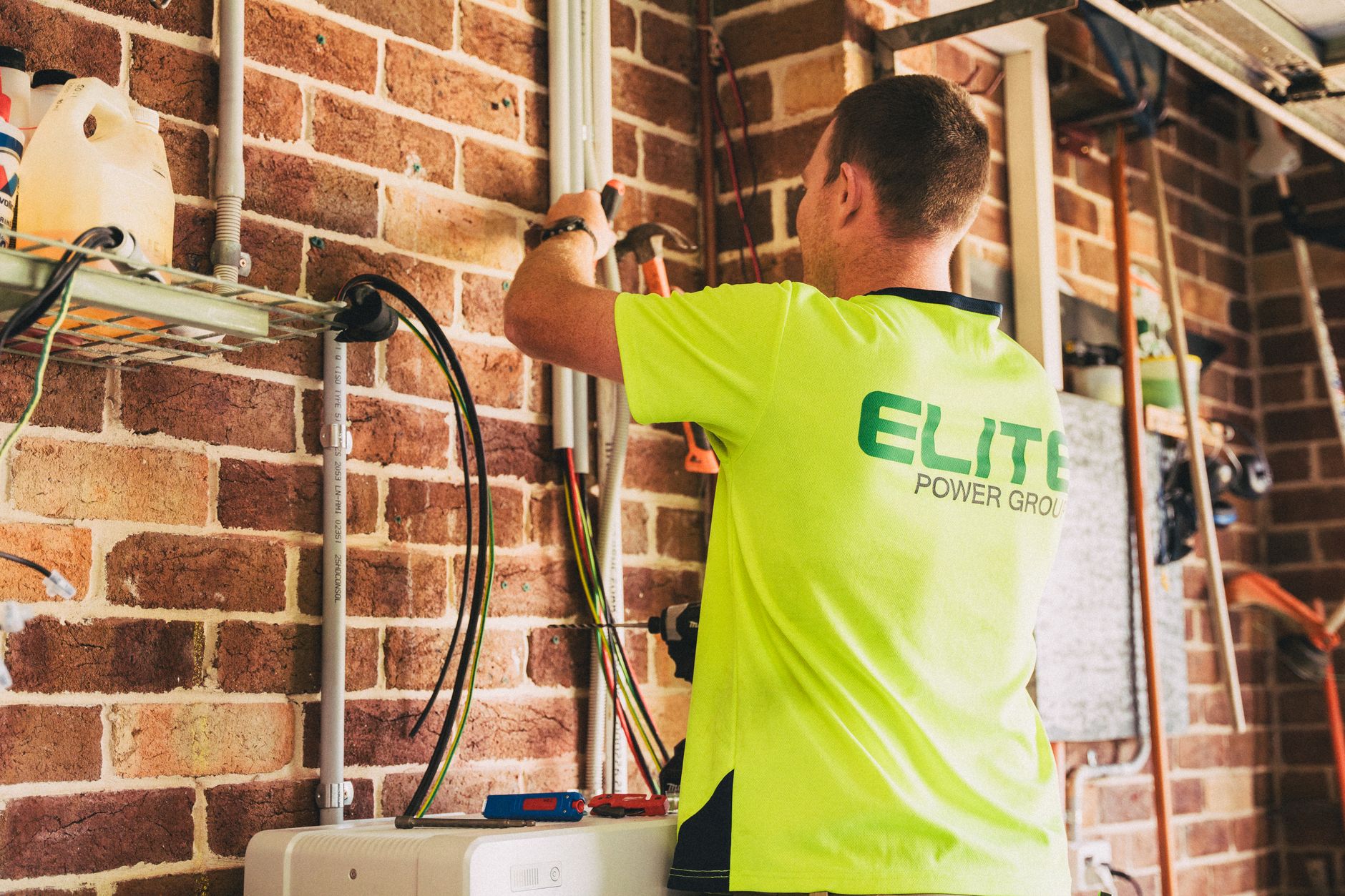
Most homeowners start battery sizing with the wrong question. They ask what size battery they need for a 2,000-square-foot house. A better question is which loads must keep running, for how long, and what can wait for grid power. The answer changes everything. In 2026, a well-sized home battery is not a guess. It is a simple load calculation with a backup duration target and a payback check. This guide walks through the full process. If you are comparing models, start with our guide to the best whole-home batteries of 2026.
The U.S. Energy Information Administration reports that the average U.S. home uses about 29 kWh per day. That number does not mean you need 29 kWh of battery. Most outages are short, and you can choose what to back up. A critical loads panel often needs 10 to 15 kWh. A truly whole-home system for air conditioning in hot climates can need 25 to 40 kWh. The right answer comes from your own utility bill and a short load survey. Your backup plan should not be built on averages alone.
Battery sizing also depends on chemistry, temperature, inverter limits, and local utility rates. Lithium iron phosphate (LFP) batteries have become the default for home storage. They are safer and longer-lasting than older lithium-ion, but temperature still matters. You do not need to be an electrical engineer. Still, you do need to gather real numbers before riding out the next storm. Preparing for power outages begins with a plan, not a product. A small measurement mistake can leave you in the dark.
This guide covers loads, backup runtime, and payback in eight steps. You will learn which appliances to prioritize, how to read nameplate watts, how to convert to kWh, and how to avoid an oversized battery that never pays for itself. We also flag wiring and carbon monoxide risks. A licensed electrician should always perform the final design and connection. With the right inputs, you can buy the battery you need instead of the battery a salesperson wants to sell.
What You’ll Need
- Plug-in watt meter or clamp meter
- Utility bill with 12 months of consumption
- Photos of appliance nameplate labels
- Smartphone or spreadsheet for the load audit
- Access to a licensed electrician for final load calculation
How Do You Size a Home Battery in 2026?
- List the loads you actually need to back up.
Walk through your home and separate loads into three tiers. Tier one is must-run: refrigerator, freezer, lights, internet, a gas furnace blower, or a sump pump. Tier two is comfort: microwave, TV, computer, and a few outlets. Tier three is deferrable: electric dryer, electric oven, pool pump, EV charger, and air conditioning in moderate weather. Do not put every breaker in the backup panel. A smaller battery costs less and avoids the need for a huge inverter. The same load audit works for whole-home battery systems and portable backup units.
For each load, note the running watts and surge watts. A refrigerator may run at 150 to 300 watts but briefly surge near 600 to 800 watts when the compressor starts. A gas furnace blower is often 400 to 800 watts. A sump pump is 800 to 1,200 watts running and may surge to 2,200 watts. A microwave is 900 to 1,500 watts. An electric water heater is 4,500 watts and is usually not a good critical load. List only items you truly need for 24 to 48 hours.
The U.S. Department of Energy and ENERGY STAR provide appliance energy data. Check the yellow EnergyGuide label or use a plug-in watt meter for exact readings. The final list becomes the basis for every number that follows. Skipping this step is the most common reason people buy a battery that dies too early or costs far more than necessary.
- Measure real wattage, not nameplate ratings.
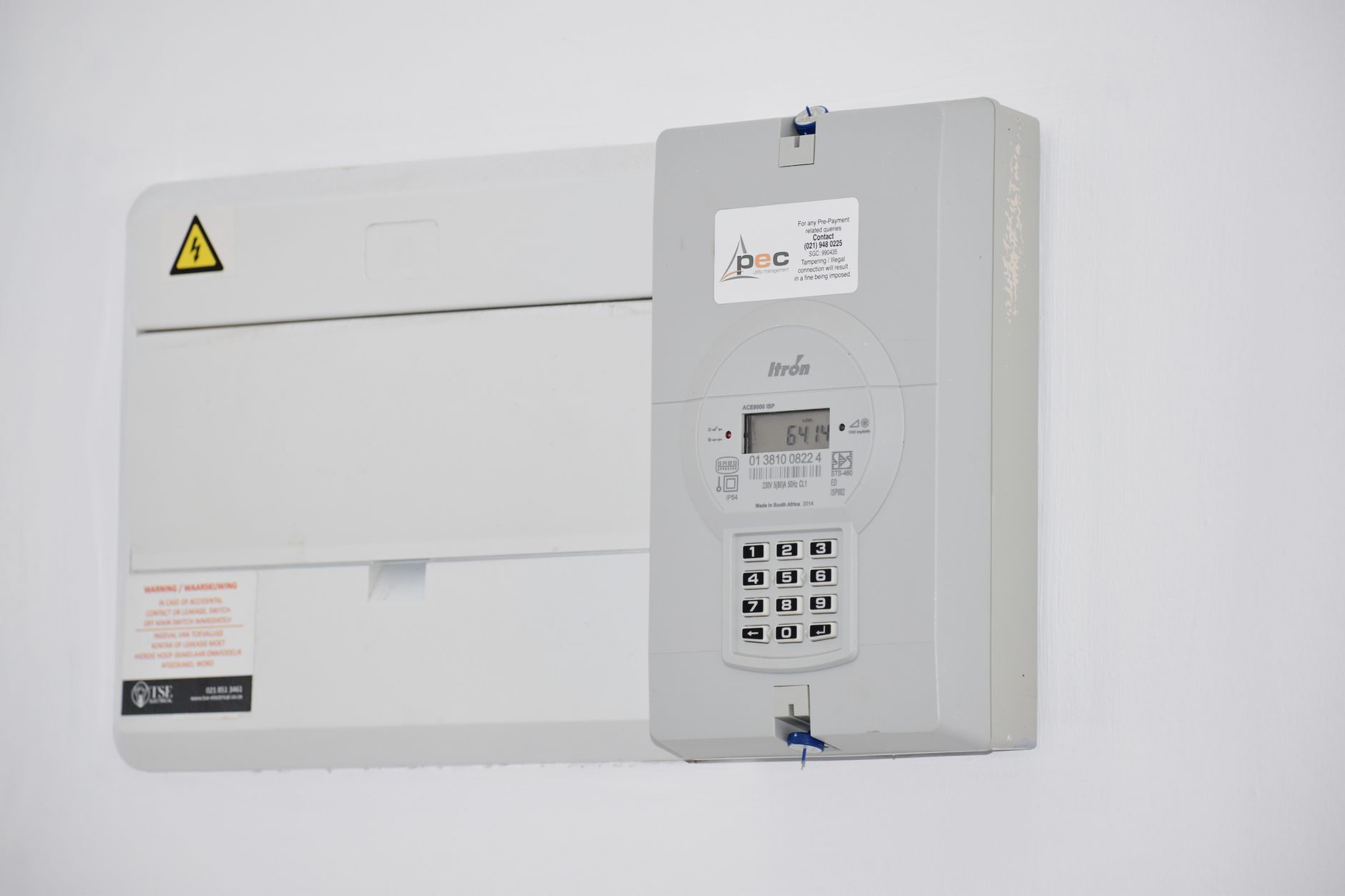
Nameplate ratings are maximums, not normal use. A toaster may say 1,800 watts because that is its max, but it runs for only a few minutes. A refrigerator label may say 6 amps, which is 720 watts at 120 volts. Yet it cycles and averages far less. Use a plug-in watt meter for 24 hours on key loads. The ENERGY STAR website lists typical energy use for refrigerators and dehumidifiers. For hardwired items like a well pump or furnace blower, ask an electrician to clamp the circuit.
You want two numbers for each load: running watts and surge watts. Motors and compressors can draw 3 to 5 times their running watts for a second or two. Inverter-driven appliances, such as modern heat pumps, have softer starts. The National Renewable Energy Laboratory notes that measured load shapes are far more accurate than rule-of-thumb estimates. If you have a smart panel, use its per-circuit data. Otherwise, a $30 watt meter will pay for itself.
Do not skip surge. A 10 kWh battery may have enough stored energy, but its inverter must handle the peak watts. A home battery with a 5 kW continuous inverter may not start a 3-ton AC unit that needs 15 amp inrush. That is why many systems pair with a hybrid inverter sized for the largest motor load, not just the total energy. Match the inverter to the surge, and the battery capacity to the runtime.
- Convert your load list into kilowatt-hours per day.
For each load, multiply running watts by hours of use. A 200-watt refrigerator that runs one third of the time uses about 1.6 kWh per day. 200 watts times 8 hours equals 1,600 watt-hours, or 1.6 kWh. A 60-watt modem and router running 24 hours use 1.44 kWh. A 500-watt sump pump running 15 minutes per hour uses 3 kWh per day. Add these totals for your critical list.
Do not multiply the whole house average unless you plan to back up every circuit. The EIA reports the average U.S. home uses about 29 kWh per day, but critical loads in a two-person home often total 5 to 12 kWh. A larger all-electric home with central air may need 30 to 40 kWh for a full day. Check your utility bill for average daily kWh to sanity-check your list. Divide monthly kWh by 30.
This daily number is your starting battery size. If your critical load audit totals 8 kWh per day and you want 24 hours of backup, you need about 8 kWh of usable storage before efficiency losses. The next step adjusts for depth of discharge and temperature. Before you commit, compare pricing with our whole-home battery cost guide to see what that capacity will cost.
- Set backup duration and depth of discharge.
Decide how many hours or days the battery must run without grid power. A 4-hour battery covers a typical utility event. A 24-hour battery covers an overnight winter outage. A 48-hour battery covers a longer storm with cloudy solar. The longer the target, the more capacity you need. But batteries are not the only option. A generator can cover long outages for less upfront money. See our solar battery vs generator comparison.
Depth of discharge (DoD) is the portion of the battery you can safely use. A 10 kWh battery with 90% DoD gives 9 kWh of usable energy. Many LFP battery specs advertise total capacity, but you must multiply by DoD. Some batteries, like the EcoFlow DELTA Pro Ultra portable station, advertise usable capacity clearly. For a wall-mounted unit, the datasheet will state usable kWh. Use that number, not the raw cell capacity.
Temperature also changes capacity. LFP batteries lose usable capacity below 32°F and may derate charging below 0°F. Most wall batteries include self-heating, but a garage in Minnesota still needs insulated placement. The battery should stay between 50°F and 77°F for best performance. If your outage occurs during a cold snap, a battery kept in an unheated shed might give only 60 to 70 percent of its rated energy. Oversize by at least 10 to 20 percent for temperature and aging.
Example: Your critical loads need 8 kWh per day. You want 24 hours. That is 8 kWh. You choose a battery with 90% DoD and want a 15% buffer for temperature and aging. 8 divided by 0.9 equals 8.9 kWh. Multiply by 1.15 equals 10.2 kWh of rated capacity. That means a 10 to 11 kWh battery is a realistic target. For a portable system, a product like the Jackery Explorer 2000 Plus with extra battery packs can scale in 2 kWh modules.
- Match the battery to your solar array and inverter limits.
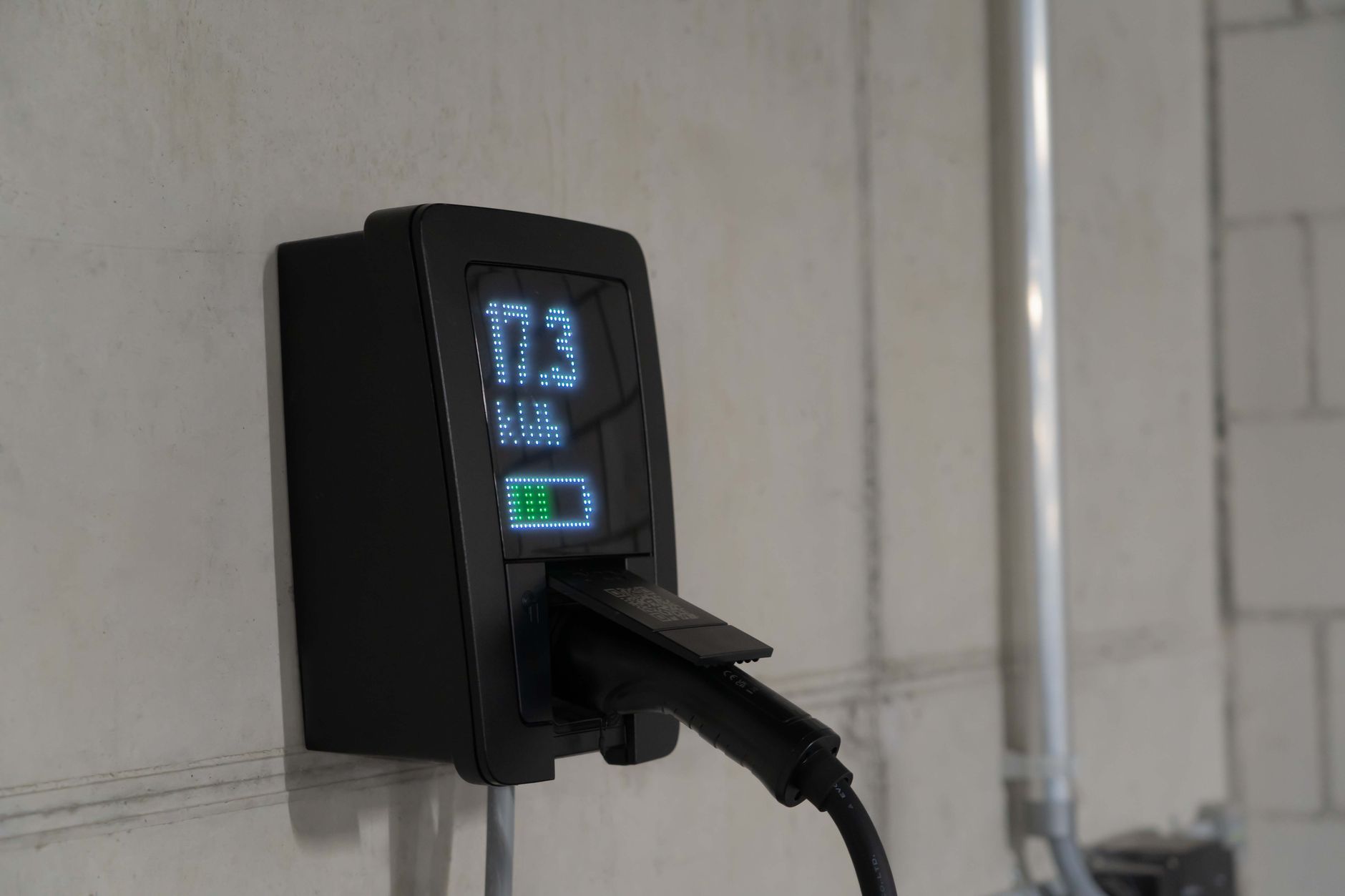
If you have solar, size the battery to capture the solar you cannot use. A 7 kW solar array might export 20 to 25 kWh to the grid on a sunny day. A 10 kWh battery can absorb that. But the house load at midday may already use much of it. Use your utility’s net metering policy. If you have full retail net metering, the battery may be only for backup. If your utility has time-of-use or lower export rates, a larger battery can shift evening loads and increase savings.
The battery inverter and solar inverter must work together. A DC-coupled system connects solar directly to the battery through a single hybrid inverter. This is efficient and simplifies backup. An AC-coupled system adds a separate battery inverter. Both are fine but need to be configured with a transfer switch. The EnergySage marketplace has current price benchmarks for storage systems. Compare the continuous and surge ratings. A battery with a 5 kW continuous output cannot run a 5-ton air conditioner, even if the battery has enough energy.
In 2026, common wall batteries such as the Tesla Powerwall 3 and FranklinWH aPower 2 offer 13.5 kWh and 15 kWh of usable capacity with 10 kW to 15 kW continuous output. Check the Tesla Powerwall 3 on Amazon. If your solar array is small, a 5 kWh portable battery may make more sense. If your array is 8 kW or larger, a 13 to 15 kWh battery lets you store a full afternoon of surplus. The inverter limit is a hard ceiling. Do not exceed it.
Also consider stackable systems. You can often start with one module and add more later. That approach lowers the initial cost while leaving room for an EV or electric heat pump. But add hardware and installation costs again. If you plan to electrify with a heat pump, size the battery for that future load now. Retrofitting later costs more than adding capacity upfront.
- Estimate payback using time-of-use and incentives.
Battery payback is not just about backup. In a time-of-use rate plan, you can charge the battery from rooftop solar during cheap or free midday hours and discharge it during peak hours at 40 to 60 cents per kWh. If you shift 10 kWh per day at a 30-cent difference, you save $3 per day, about $1,095 per year. A 10 kWh battery installed may cost $10,000 to $14,000 before incentives. The backup value alone may justify that for a homeowner who needs medical devices or work-from-home power.
The federal solar tax credit covers a battery charged by rooftop solar, even if it also provides backup. Through 2032, the credit is 30% of the storage installation cost, including a battery integrated with solar. Check the latest rules in the solar tax credit guide. Some states and utilities add cash rebates. California’s SGIP and other programs can cut several thousand dollars off the installed price, though funding varies by year.
Compare the all-in cost per usable kWh. A 13.5 kWh wall battery with 100% usable capacity and $11,000 installed cost after incentives is about $815 per kWh. A portable 3.6 kWh power station for $2,500 is $694 per kWh and can be taken to a rental or cabin. But the wall battery is automatic, while the portable unit must be rolled out and plugged into a manual transfer switch. For a true whole-home backup, the automatic transfer is worth the price. For a renter or budget buyer, a portable unit may be enough.
- Choose battery chemistry and warranty with usable throughput.
In 2026, lithium iron phosphate is the standard for home batteries. It lasts 6,000 to 10,000 cycles at 80% depth of discharge. A daily cycled LFP battery can exceed 15 years. Nickel manganese cobalt (NMC) is still used by some older systems but has a shorter thermal runway tolerance. For home safety, choose LFP from a reputable manufacturer. The warranty should state cycle life, throughput, and retained capacity. A 10-year, 70% retained capacity warranty is common. A 15-year, 70% warranty is better.
Warranty terms often include a throughput clause. A battery might be warrantied for 43,000 kWh of delivered energy over 10 years. If you cycle 10 kWh every day, that is 3,650 kWh per year, so you would not run out. But if you use it for time-of-use arbitrage twice daily, you will. Read the fine print. If a manufacturer is not clear about usable cycles, ask the installer for the data sheet.
Temperature and installation location affect life. A battery in a hot garage at 100°F degrades faster than one in a 65°F basement. Some batteries include liquid cooling or self-heating. The NREL has tested battery degradation under real-world solar cycling. That research shows that keeping batteries in climate-controlled spaces and avoiding deep discharges below 10% is more important than brand. Size your battery so you rarely drain it to zero during typical outages.
- Have a licensed electrician perform a load calculation and design.
Do not design a home backup system by guesswork. The National Electrical Code requires a residential load calculation for service and feeder sizing. A battery backup system adding a subpanel or transfer switch needs the same rigor. A licensed electrician can perform a standard or optional calculation and identify which circuits are safe to back up. The labor also covers the interconnection application with your utility. That paperwork is not optional.
The electrician will also check grounding, neutral bonding, and backfeed. A generator or battery connected incorrectly can electrocute a line worker. A home battery vs generator vs solar system comparison shows why transfer switches and automatic isolation matter. The final design will specify conductor size, overcurrent protection, and panel layout. Do not let a handyperson or online rater replace this step.
After the load calculation, you may find that your desired battery is too small or too large. A 10 kWh battery with a 5 kW inverter might not start a well pump and refrigerator at the same time. Upgrading to a 10 kW continuous inverter could solve it without adding capacity. The professional quote lets you compare installer prices side by side. Ask for line-item costs: battery, inverter, transfer switch, electrical labor, and permit. Our guide to the best home inverters for solar explains the hardware choices.
Red Flags & Warnings
- 🚨 Do not install a battery or transfer switch yourself unless you are a licensed electrician. Backfeed and line voltage can kill utility workers or start a fire.
- 🚨 Never run a portable generator or any fuel-burning generator indoors, in a garage, or within 20 feet of windows or doors. UL 2034 alarms before carbon monoxide reaches 70 ppm for 60 to 240 minutes, but a detector is a last line, not a substitute for ventilation. A fuel-burning generator must stay outside.
- 🚨 Do not size by square footage. Two 2,000-square-foot homes can have vastly different loads. One may use 8 kWh per day for critical items and another 30 kWh.
- 🚨 Do not assume the battery nameplate capacity is fully usable. Depth of discharge, temperature, and inverter efficiency reduce real backup time. Always use usable kWh.
- 🚨 Be careful with motor surge. A battery inverter that cannot handle the starting surge of a well pump, fridge, or AC compressor will shut down. Check both continuous and peak output.
- 🚨 A battery alone does not guarantee power during an outage. You need a transfer switch or hybrid inverter with islanding capability. Without it, the battery may disconnect for safety.
Frequently Asked Questions
What size battery do I need to back up a whole house?
Most true whole-home backups need 20 to 40 kWh of usable storage, depending on air conditioning and electric appliances. An essentials-only panel usually needs 10 to 15 kWh. Use a load calculation, not square footage. Compare common capacities in the best whole-home batteries guide.
How many kWh does a 2,000-square-foot house use per day?
The U.S. average is about 29 kWh per day, but a 2,000-square-foot home may range from 20 to 50 kWh depending on climate, insulation, and appliances. Critical loads for lighting, fridge, and gas furnace blower often total 5 to 12 kWh. Your utility bill gives the true number.
Can I install a home battery myself?
No. A home battery connected to your electrical panel requires a licensed electrician, permits, and utility approval. Incorrect wiring can cause backfeed or fire. The design and final connection are not DIY tasks.
How long will a 10 kWh battery run a refrigerator and a few lights?
A modern refrigerator uses about 1.5 to 2 kWh per day, and LED lights and internet use 2 to 3 kWh. A 10 kWh battery with 90% usable capacity can run that small critical load for 2 to 3 days, depending on inverter overhead and temperature.
Is a home battery worth it without solar?
It can be worth it if you have frequent outages or time-of-use rates that let you charge cheaply at night and discharge during expensive peak hours. But backup-only batteries often have a longer payback than solar-paired systems. The federal tax credit applies only when the battery is charged by solar in most cases.
What is depth of discharge and why does it matter?
Depth of discharge is the share of a battery’s capacity you can use without harming its lifespan. A 10 kWh battery at 90% DoD delivers 9 kWh of usable energy. Using less depth cycles the battery more gently and extends life. Always compare usable capacity, not total capacity.
What Should You Remember?
- Load audit first: List must-run appliances before shopping for a battery.
- Use real watts: Measure running and surge watts, not nameplate maximums.
- Convert to kWh: Multiply watts by hours to find daily energy needs.
- Apply usability buffers: Factor depth of discharge, temperature, and inverter efficiency.
- Check inverter limits: Ensure the battery inverter can start motors and back up the loads.
- Run the payback math: Compare installed cost per usable kWh and time-of-use savings.
- Hire a licensed electrician: Permits, transfer switches, and utility approval are not optional.
This article is for general information only. Home energy systems involve high-voltage electrical work, building codes, permits, and in some cases utility interconnection approvals , always consult a licensed electrician and your local authority before making purchase or installation decisions. Product specs, pricing, and incentives (including tax credits and net metering) change frequently; verify current details with the manufacturer and your utility.