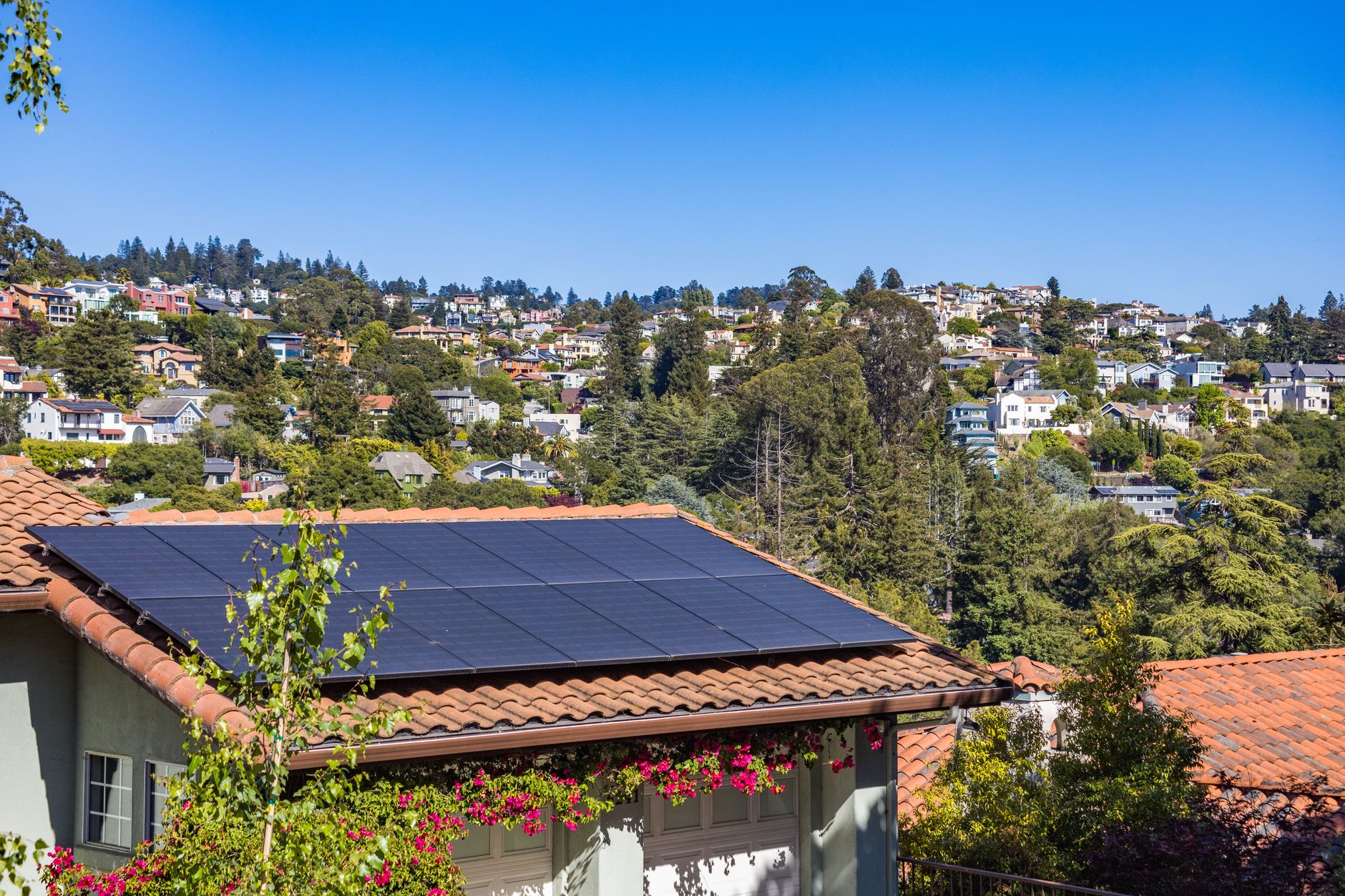
Homeowners are treating solar panels less like a gadget and more like a roof upgrade that pays the power bill. The 2026 market splits into premium high-efficiency modules, midrange value options, and budget workhorses. The real difference is not just first-day watts. It is how well the panel holds that output after 25 years of heat, snow, hail, and UV exposure. If you are pairing panels with home energy storage, the panel choice determines how much energy you actually have to store and use at night. It also affects the size of the battery bank and the inverter you need.
To compare panels fairly, we looked at current manufacturer datasheets, installer pricing, and warranty terms. The cost per watt numbers are based on EnergySage marketplace data and exclude inverter, racking, and labor. Efficiency ratings come from standard test conditions. A 22% efficient panel produces roughly 10% more power from the same roof area than a 20% panel. On a small roof, that can be the difference between covering your entire electric bill or buying power from the utility. See our solar cost guide for full system pricing.
Warranty and degradation matter as much as first-day output. The National Renewable Energy Laboratory has tracked rooftop systems for decades and found that many older panels lose 0.5% to 1% per year. Premium panels now degrade far less. A panel with a 0.24% annual degradation rate still makes about 94% of its original power after 25 years. A budget panel at 0.55% annual degradation drops to roughly 86%. Over 25 years, that is thousands of kilowatt-hours of lost production. You are buying a long-term asset.
The right panel also depends on your roof and backup plan. A 400W to 500W panel is now standard for whole-home solar. If you plan to pair solar with a battery or generator, you need enough DC output to feed the charge controller and inverter. Shading, roof orientation, and snow load also affect which panel makes sense. Below, we break down the best residential panels for different homes and budgets.
How Do the Top Options Compare?
| Panel | Best For | Efficiency | Cost per Watt | Product Warranty | Price |
|---|---|---|---|---|---|
| REC Alpha Pure-RX 470W | Max efficiency, low degradation | 22.6% | $1.10 to $1.30 | 25 years | Check price |
| Maxeon 7 445W | Premium 40-year warranty | 23.0% | $1.20 to $1.50 | 40 years | Check price |
| Panasonic EverVolt HK2 430W | Best all-weather performance | 22.2% | $1.00 to $1.20 | 25 years | Check price |
| Qcells Q.TRON BLK M-G2+ 440W | Best value premium panel | 22.1% | $0.90 to $1.10 | 25 years | Check price |
| Canadian Solar HiKu7 445W | Budget-friendly large roofs | 21.2% | $0.70 to $0.90 | 12 years | Check price |
Cost per watt figures are estimates from EnergySage marketplace data and installer quotes for March 2026. Actual pricing varies by region, installer, panel availability, and system size. Permits, racking, inverter, and labor are not included.
1. REC Alpha Pure-RX 470W , Best Overall for Efficiency and Low Degradation
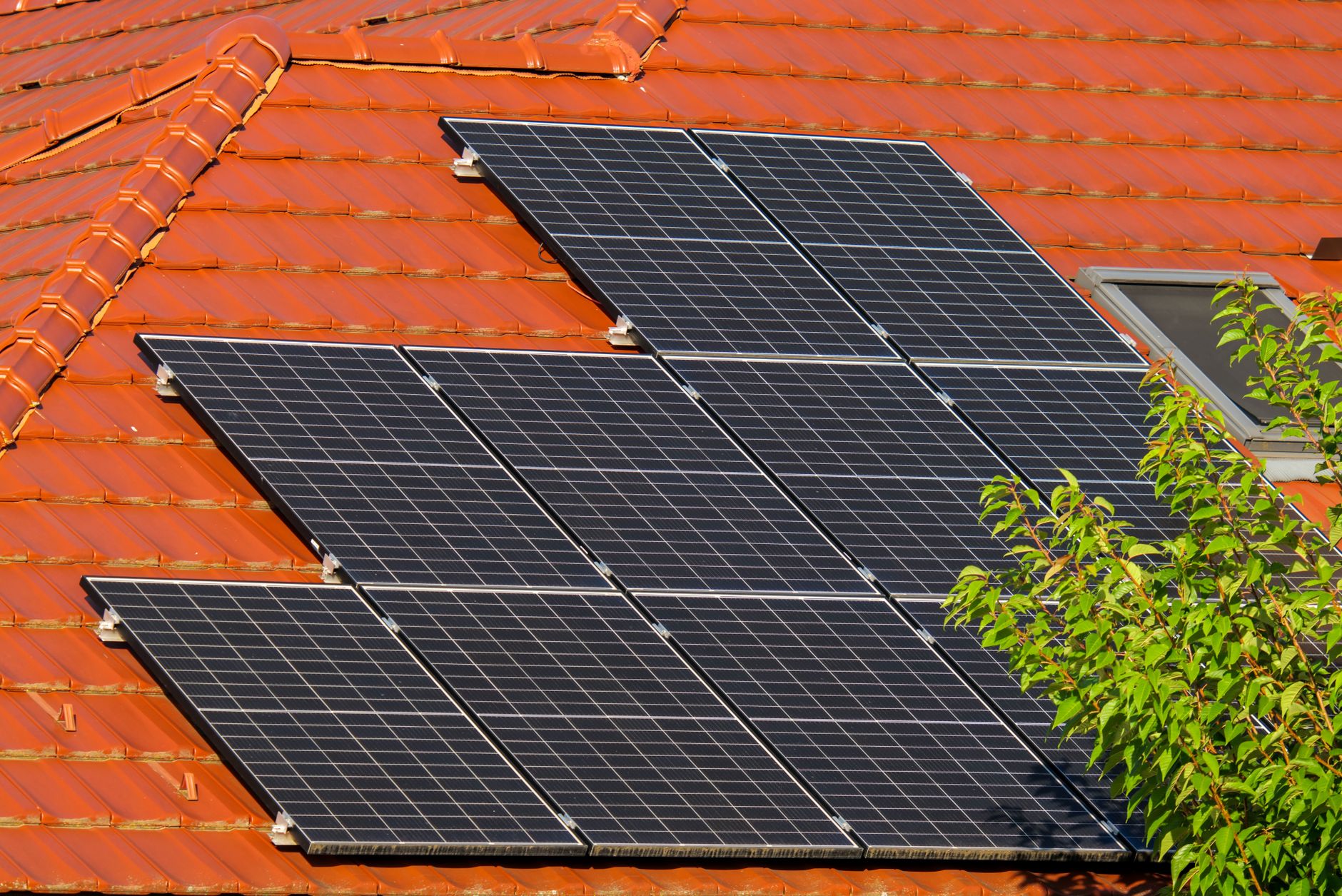
REC packs a lot of watts into a panel that behaves well on hot roofs. The Alpha Pure-RX 470W hits 22.6% efficiency and carries a temperature coefficient of -0.24% per degree Celsius. That means it loses less output than many competitors when the roof surface reaches 45°C or more. The panel is also lead-free and RoHS compliant, which matters for homeowners who want cleaner manufacturing. You can pair it with a whole-home battery system without oversizing the PV array.
The warranty is where REC stands out. You get a 25-year product warranty and a 25-year power warranty that guarantees at least 92% of original output in year 25. Annual degradation works out to roughly 0.24%, among the lowest in the residential class. Pricing runs $1.10 to $1.30 per watt before installation. Check the REC Alpha Pure-RX 470W on Amazon.
Key strengths:
- ✅ 22.6% module efficiency produces more power per square foot
- ✅ 0.24% annual degradation keeps year 25 output at 92%
- ✅ 25-year product and power warranty covers both defects and output
- ✅ Low -0.24%/°C temperature coefficient suits hot climates
- ✅ Lead-free and RoHS compliant build quality
- ❌ Premium pricing at $1.10 to $1.30 per watt
- ❌ Not always stocked by local installers
- ❌ 470W size may require careful string sizing with some microinverters
Who it’s for: Homeowners with limited roof space who want maximum output and the best long-term warranty.
2. Maxeon 7 445W , Premium Long-Term Warranty and Durability
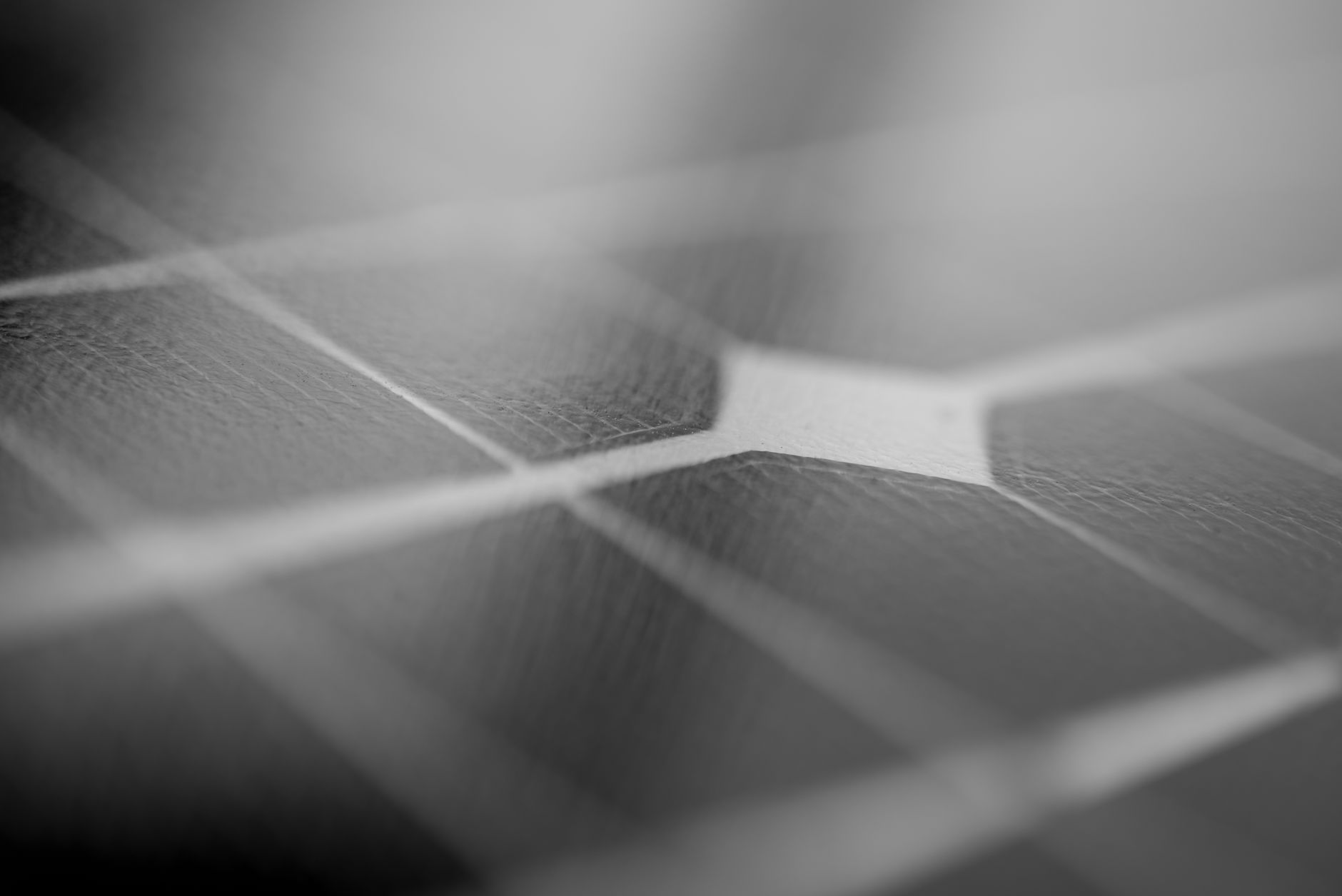
Maxeon’s seventh-generation panel takes over where SunPower left off. The 445W module reaches 23.0% efficiency and uses a solid copper foundation instead of typical busbars. That design reduces failure points and corrosion. The panel carries a 40-year product and power warranty, the longest in the residential market. Maxeon guarantees 88.8% of original output at year 40, which implies roughly 0.25% annual degradation.
You pay for that durability. Expect $1.20 to $1.50 per watt before installation and possible shipping delays outside major markets. The all-black design looks clean on most roof types. If you plan to stay in the house for decades or you live near coastal salt air, the corrosion resistance matters. Check the Maxeon 7 445W on Amazon.
Key strengths:
- ✅ 40-year product and power warranty leads the industry
- ✅ 23.0% efficiency and 445W output from a standard residential footprint
- ✅ Solid copper foundation resists corrosion and micro-cracks
- ✅ Low 0.25% annual degradation preserves long-term yield
- ❌ Highest price per watt among common residential panels
- ❌ May require dealer or installer specific network for warranty claims
- ❌ Availability in some regions is limited
Who it’s for: Homeowners who prioritize warranty length and durability and are willing to pay a premium.
3. Panasonic EverVolt HK2 430W , Best All-Weather Performance
Panasonic’s EverVolt HK2 is a 430W N-type panel that handles heat and shade better than many rivals. It has a 22.2% efficiency and a temperature coefficient of -0.26% per degree Celsius. On a hot July roof, that can mean 3% to 5% more output than a panel with a -0.35% coefficient. The half-cut cell design also reduces mismatch loss when one section gets shaded by a vent or chimney.
Panasonic pairs the panel with a 25-year product and performance warranty. The power warranty guarantees 92% output at year 25. Pricing is competitive at $1.00 to $1.20 per watt before installation. Before you sign a contract, check your utility’s net metering guide so you understand how excess solar gets credited.
Key strengths:
- ✅ N-type cells deliver 22.2% efficiency and low light-induced degradation
- ✅ Half-cut design performs better under partial shade
- ✅ -0.26%/°C temperature coefficient is strong for hot climates
- ✅ Competitive $1.00 to $1.20 per watt pricing
- ❌ 430W output is slightly lower than some premium competitors
- ❌ Warranty support depends on installation by a Panasonic-authorized installer
- ❌ All-black model can cost more than standard frame
Who it’s for: Homeowners in hot or partly shaded areas who want strong output without paying Maxeon prices.
4. Qcells Q.TRON BLK M-G2+ 440W , Best Value Premium Panel
Qcells has become the default choice for many installers because it balances price, efficiency, and bankability. The Q.TRON BLK M-G2+ pushes 440W with 22.1% efficiency. It uses Q.ANTUM NEO N-type technology and a half-cell configuration. The panel guarantees at least 89.8% of original output at year 25. That is respectable, though not class-leading. Pricing runs $0.90 to $1.10 per watt, often beating REC and Maxeon by 20% or more.
The main reason installers like Qcells is supply. Qcells has large North American manufacturing capacity, which keeps lead times short. If you want a good panel that will not delay your build, this is it. Before you finalize the array, read our best inverters for solar 2026 guide to match the panel with the right inverter.
Key strengths:
- ✅ 22.1% efficiency and 440W output at a midrange price
- ✅ Strong North American supply chain keeps availability high
- ✅ 25-year product and performance warranty
- ✅ N-type half-cell design handles shade and heat well
- ❌ Year 25 output guarantee lower than REC and Maxeon
- ❌ Not the cheapest option if budget is the main concern
- ❌ Brand less established in premium high-efficiency segment
Who it’s for: Homeowners who want a proven premium panel at a lower cost without sacrificing much efficiency.
5. Canadian Solar HiKu7 445W , Budget-Friendly Large Roofs
Canadian Solar’s HiKu7 445W is for homeowners with plenty of roof space who want to push down the cost per watt. Its efficiency is 21.2%, lower than premium panels but still enough to produce solid energy. The panel uses mono PERC cells and a standard 144-cell half-cut design. The performance warranty is 25 years, but the product warranty is only 12 years. That is the tradeoff for a price around $0.70 to $0.90 per watt.
For large roofs, lower efficiency does not matter much. You simply install a few more panels to hit the same array size. What matters is pairing the DC output with a properly sized inverter. These panels are widely available from distributors and work with most string inverters and microinverters.
Key strengths:
- ✅ Lowest cost per watt among popular residential panels
- ✅ 445W output works for large roof arrays
- ✅ 25-year performance warranty covers output
- ✅ Readily available from multiple distributors
- ❌ 12-year product warranty is shorter than premium rivals
- ❌ 21.2% efficiency requires more roof area for the same array size
- ❌ PERC cells degrade faster than N-type cells over 25 years
Who it’s for: Homeowners with large unobstructed roof space who want to minimize upfront panel cost.
Frequently Asked Questions
What is the most efficient home solar panel in 2026?
The Maxeon 7 leads with 23.0% efficiency. REC Alpha Pure-RX follows at 22.6%. Both are premium panels that cost more than standard 20% to 21% efficient modules.
How much do the best solar panels cost per watt?
Premium panels run $1.00 to $1.50 per watt before installation. Budget options like Canadian Solar HiKu7 start around $0.70 to $0.90 per watt. Full system cost depends on inverter, racking, labor, and permits.
What warranty should I look for on solar panels?
Look for at least a 25-year product warranty and a 25-year performance warranty. Maxeon offers a 40-year product and power warranty. Avoid panels with less than a 12-year product warranty unless budget is the main concern.
Do higher efficiency panels justify the extra cost?
Yes if roof space is limited. A 22% efficient panel produces about 10% more power per square foot than a 20% panel. On large roofs, cheaper lower efficiency panels can be more cost effective.
Can I install these solar panels myself?
No. Rooftop solar involves high DC voltage and structural mounting. Hire a licensed electrician and a certified installer. Local permits and utility interconnection rules also require professional sign-off.
How does panel degradation affect my solar system?
A panel with 0.24% annual degradation still produces about 94% of original output after 25 years. A panel with 0.55% annual degradation drops to roughly 86%. That difference is thousands of kilowatt-hours over the life of the system.
What Should You Remember?
- Efficiency: Higher efficiency panels like REC and Maxeon produce more power in limited roof space.
- Warranty: Look for a 25-year product warranty. Maxeon’s 40-year warranty is the longest in residential solar.
- Cost per watt: Budget panels start around $0.70 per watt. Premium panels reach $1.50 per watt before installation.
- Degradation: A 0.24% annual degradation rate keeps output near 94% after 25 years.
- Temperature coefficient: Panels with a -0.24%/°C coefficient lose less power on hot roofs than -0.35%/°C models.
- Pair with storage: Match panel output to a whole-home battery for backup power.
- Get quotes: Use EnergySage to compare local installer prices before buying.
This article is for general information only. Home energy systems involve high-voltage electrical work, building codes, permits, and in some cases utility interconnection approvals , always consult a licensed electrician and your local authority before making purchase or installation decisions. Product specs, pricing, and incentives (including tax credits and net metering) change frequently; verify current details with the manufacturer and your utility.