Homeowners often watch the monthly utility bill without seeing where the kilowatt-hours go. In a typical U.S. home, heating, cooling, water heating, appliances, lighting, and always-on electronics form the core load. The U.S. Energy Information Administration reports that the average home uses about 10,500 kWh per year. That number shifts with climate, square footage, insulation, and equipment age. When you add an electric vehicle, your home electricity consumption climbs. You stop buying gasoline at the pump, but your meter spins faster at the wall.
An EV charger is not a mysterious new device. It is another large appliance, similar in peak draw to a central air conditioner or an electric dryer. The difference is that EV charging is flexible. You can often delay it to off-peak hours without disrupting comfort. You can pair it with rooftop solar and home battery storage. That flexibility lets you manage the added load instead of simply paying for it. Understanding your baseline is the first step.
This guide breaks down where your electricity goes, how much an EV adds, and how to keep the combined load affordable. We reference the U.S. Department of Energy and the National Renewable Energy Laboratory. You will see how efficiency, rate plans, solar, and storage work together. The links throughout connect to our detailed guides on home batteries, solar costs, and charger planning.
| Home Load | Typical Annual kWh | Typical Draw | Why It Matters |
|---|---|---|---|
| Central air conditioning | 2,000 to 4,000 | 3,000 to 5,000 watts | Highest seasonal load in many warm states |
| Water heating | 2,500 to 4,000 | 3,000 to 4,500 watts | Second largest baseline for most homes |
| Refrigerator | 500 to 800 | 150 to 400 watts | Runs 24/7; older units cost more |
| EV charging, 12,000 miles | 3,000 to 4,000 | 7,200 to 11,500 watts on Level 2 | Flexible large load; shift to off-peak |
Where Does the Average Home’s Electricity Go?
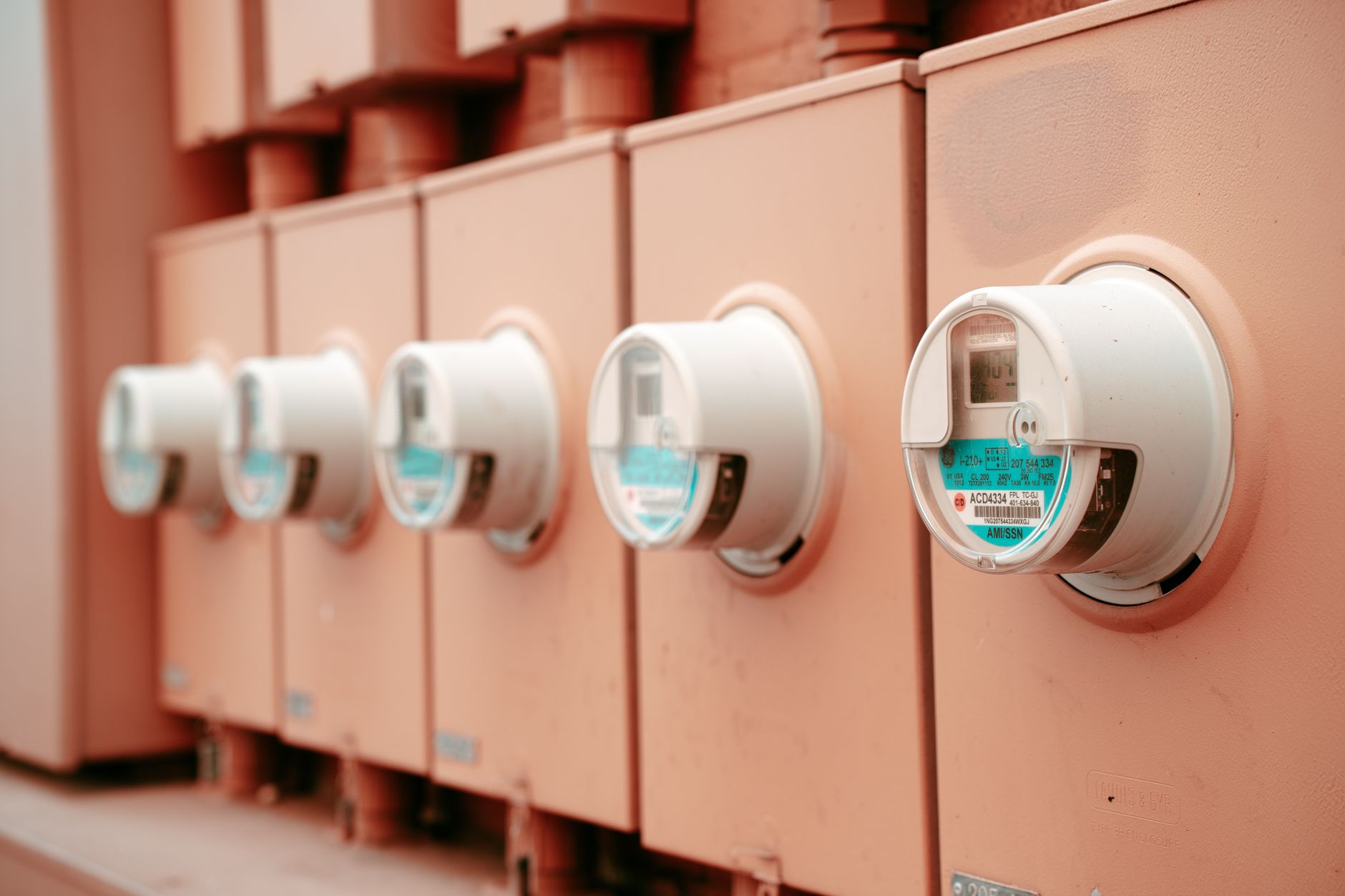
Heating and cooling dominate most household energy use. In many U.S. climate zones, space conditioning accounts for nearly half of total annual consumption. Water heating typically follows at roughly 14 to 18 percent. Refrigerators, freezers, lighting, clothes dryers, cooking, and electronics make up the remainder. The exact split depends on whether your home uses natural gas, electric resistance, a heat pump, or a mix. A home energy audit from the U.S. Department of Energy makes the split visible by testing for air leaks and checking equipment efficiency. If your HVAC is old, a modern heat pump can reduce that largest slice. See how a heat pump compares to traditional HVAC.
Electronics and small devices are easy to overlook. A modem, router, TV, game console, and several chargers may draw only a few watts each, but they run constantly. Collectively, standby loads can reach 5 to 10 percent of home electricity use. This matters when you start adding a large new load like an EV. Trimming hidden waste creates room in your energy budget with zero comfort loss.
A quick way to visualize your own breakdown is to read the labels on major appliances and compare wattage to hours of use. A 4,500-watt water heater that runs three hours a day uses 13.5 kWh daily, or nearly 5,000 kWh per year. A 1,500-watt space heater used eight hours a day can add 12 kWh daily. These individual numbers show why large thermal loads drive the bill more than lighting.
- Space heating and cooling: biggest share in most homes
- Water heating: second biggest single load
- Refrigerators and freezers: continuous 24/7 base load
- Lighting, TVs, and chargers: small but numerous
- EV charger: a flexible large load that you can shift
How Much Electricity Does an EV Add to Your Home?
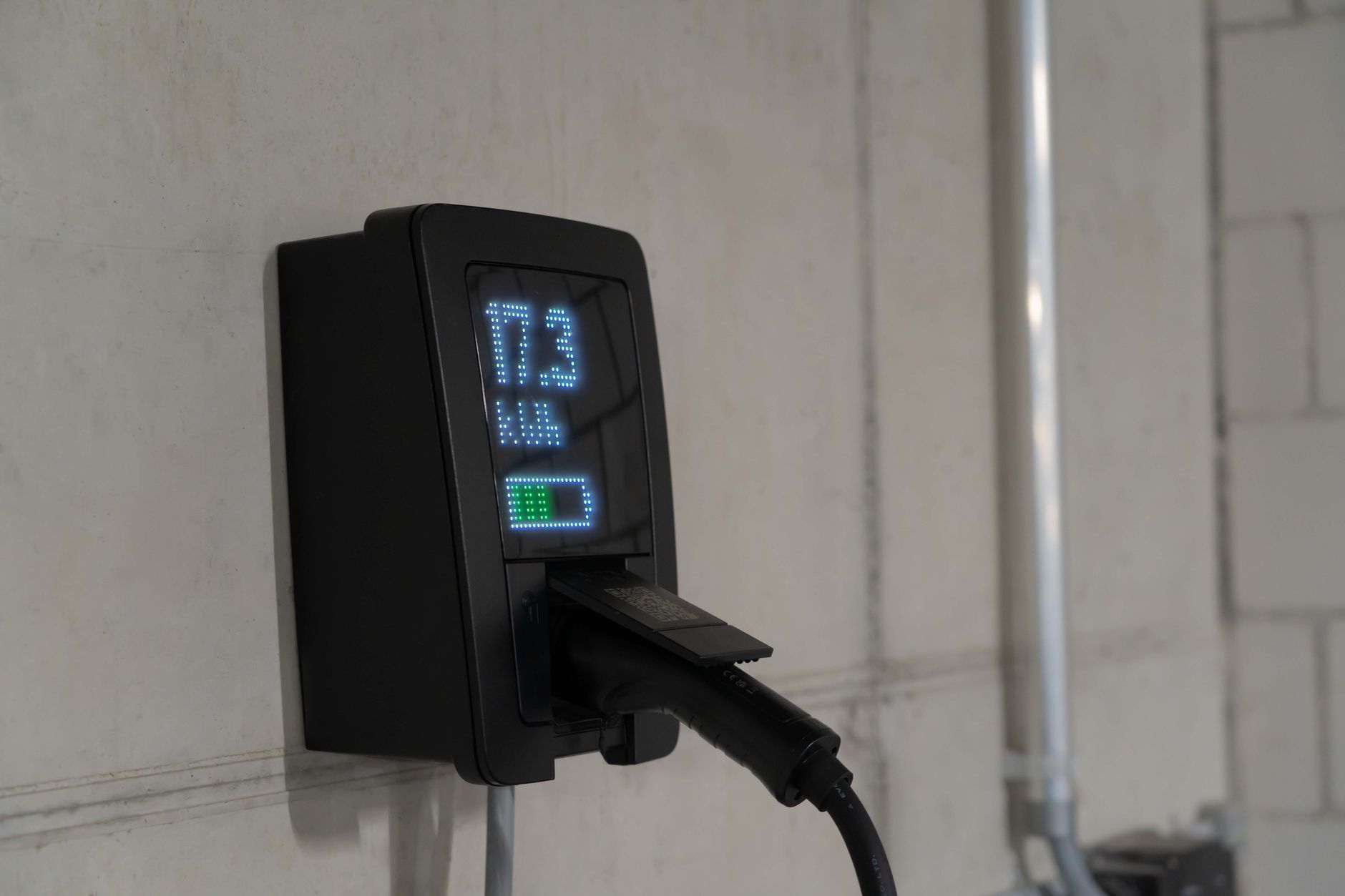
An electric car uses energy measured in kilowatt-hours per 100 miles. A reasonably efficient EV might use about 30 kWh per 100 miles. If you drive 12,000 miles per year, that equals 3,600 kWh. Some smaller EVs use less, and large pickups or SUVs use more. The National Renewable Energy Laboratory has found that a typical EV adds roughly 3,000 to 4,000 kWh per year to a home’s load. That is a 30 to 40 percent increase over the EIA average of 10,500 kWh. High-mileage drivers can exceed 5,000 kWh.
The speed of charging changes your daily experience. A Level 1 charger on a standard 120-volt outlet adds about 2 to 5 miles of range per hour, according to the U.S. Department of Energy. That may be enough for a short commute if you charge overnight. A Level 2 charger on a 240-volt circuit typically adds 20 to 40 miles of range per hour. Charging losses also matter. Some electricity is lost as heat between the wall and the battery, especially on slower Level 1 setups. You pay for those losses even though they do not move the car.
The added energy is not the only number to watch. The power draw during charging is high. A Level 2 charger commonly pulls 7.2 to 11.5 kW. That is similar to a central air conditioner. The good news is that you can schedule charging for off-peak hours. Learn more about charger levels, wiring, and installation in our guide to EV charger home electricity.
Your driving habits matter as much as the car. City driving with regenerative braking uses less energy than high-speed highway driving. Cold weather also reduces range because cabin heat and battery conditioning draw extra power. That means your annual charging energy may rise in winter. Planning for the higher end of the range prevents a solar or battery system from coming up short.
Why Does Your Home’s Peak Demand Matter When Charging an EV?
Total kilowatt-hours tell only half the story. When equipment runs matters, especially under time-of-use rates. A Level 2 charger may pull as much as 11.5 kW. If it starts at 5 p.m., it stacks on top of air conditioning, cooking, and laundry. That can push your panel closer to its practical limit and may trigger higher time-of-use prices. Delaying charging to 9 p.m. or later often lowers the bill without changing how much energy you use. See how to reduce your electric bill for more load-shifting tactics.
A licensed electrician should perform a load calculation before adding a Level 2 circuit. Many older homes have 100-amp panels that may struggle with an EV, an electric dryer, and air conditioning in the same hour. Upgrading a panel or using a smart charger that adjusts to available capacity can help. The goal is to avoid nuisance tripping and unsafe loads. Some utilities also offer separate EV rates that reward overnight charging. Those rates make the time of use matter as much as the total energy.
Think of your home’s electrical panel as a freeway. Total energy is the number of cars per day. Peak demand is how many cars arrive at once. EV charging adds a predictable rush hour that you can move. Moving that rush hour is one of the cheapest ways to keep your combined home and EV energy draw manageable.
Load management hardware can help. Some smart chargers and panels monitor total household draw and briefly reduce charging power if the home approaches its limit. That allows EV charging on a smaller service without a full panel upgrade. A licensed electrician can recommend whether this is safe for your home. Avoid do-it-yourself wiring for any 240-volt charger circuit.
- Level 2 chargers typically draw 7.2 to 11.5 kW
- 5 p.m. charging collides with cooling, cooking, and laundry
- Off-peak charging reduces bills on time-of-use rates
- A load calculation by an electrician prevents overloads
Can Solar and Battery Storage Offset Your EV Charging Load?

Solar can offset EV charging, but the timing is not automatic. Rooftop solar produces power during daylight. Most EVs are parked at home overnight. That mismatch means you either send solar to the grid through net metering or store it in a battery. If your utility has strong net metering, solar credits may cover your nighttime charging. If not, a battery becomes more valuable.
Start with the energy number. A typical EV adds 3,000 to 4,000 kWh per year. One kilowatt of rooftop solar in much of the U.S. produces about 1,300 to 1,600 kWh annually, depending on location, orientation, and shading. Offsetting 3,600 kWh may require an additional 2.3 to 2.8 kW of solar. That is a meaningful but manageable array. Check how much solar costs in 2026 before assuming the math works. The 30 percent federal solar tax credit and local incentives change the final cost.
A home battery helps if you want to charge at night from stored solar. The battery must hold enough usable kilowatt-hours for your commute plus any household base load between sunset and morning. A 30-mile daily commute might need only 8 to 10 kWh, but a 60-mile commute might need 18 to 20 kWh. That does not include air conditioning or the refrigerator. Battery sizing starts with your evening and morning loads. Our home battery sizing guide shows the step-by-step math.
For resilience, a battery alone can charge an EV during an outage, but an EV is a large load relative to most home batteries. A typical 13.5 kWh battery holds less than half of a large EV pack. Without solar to replenish the battery, charging an EV during an extended outage could drain your backup in hours. That is why whole-home backup planning usually treats EV charging as a lower priority load. Compare your backup options in solar battery vs generator.
What Is the Most Affordable Way to Manage a Higher Home Energy Draw?
The cheapest kilowatt-hour is the one you never use. Before adding solar or a battery, reduce waste. A professional home energy audit from the U.S. Department of Energy finds air leaks, weak insulation, and aging equipment. Fixing those issues lowers the baseline load your clean energy system must cover. Then move discretionary loads away from peak hours. Many EV owners already schedule charging for midnight. The same approach works for dishwashers, dryers, and pool pumps.
Efficiency upgrades can change the math. A modern heat pump may use much less electricity than older electric resistance heating. Once your base load is efficient, you can right-size solar and battery storage instead of oversizing them. That avoids spending thousands on extra panels and battery capacity you do not need.
Finally, compare your post-EV electricity rate plan options. Some utilities charge a flat rate, while others offer time-of-use or EV-specific rates. On a flat rate, moving charging time saves nothing. On a time-of-use rate, it can save hundreds per year. Add solar and storage only after you have the efficiency and rate plan data. That order gives you the highest return.
- Start with a professional home energy audit
- Shift EV charging and large appliances to off-peak windows
- Upgrade old HVAC and water heating before adding solar
- Compare flat, time-of-use, and EV rate plans
- Right-size solar and battery based on post-upgrade loads
Frequently Asked Questions
How much electricity does an EV add per month?
A driver covering 1,000 miles per month at 30 kWh per 100 miles uses about 300 kWh. At the U.S. average residential rate near 16 cents per kWh, that is roughly $48 per month. Larger EVs and higher mileage raise the number.
Will a standard 120-volt outlet charge my EV?
Yes, a Level 1 charger adds about 2 to 5 miles of range per hour. That covers short commutes of 30 to 50 miles overnight. A Level 2 charger is more practical for longer daily driving.
Does charging at night always save money?
Only if your utility has a time-of-use or EV rate with lower off-peak prices. On a flat residential rate, the total energy cost is the same no matter when you charge.
Can I charge an EV from a home battery during a power outage?
It is possible, but an EV is a large load. Many home batteries hold less than half of an EV battery. Without solar to recharge the battery, EV charging can drain your backup quickly. Treat it as a low-priority load during an outage.
How much extra solar do I need to offset EV charging?
A typical EV adds 3,000 to 4,000 kWh per year. Since 1 kW of solar often produces 1,300 to 1,600 kWh annually, you may need about 2.3 to 2.8 kW of extra capacity.
Do I need an electrical panel upgrade for a Level 2 charger?
It depends on your panel and existing major loads. Many older 100-amp panels need an upgrade before adding a 240-volt charger. A licensed electrician should perform a load calculation.
What Should You Remember?
- Know your home’s base load before adding an EV or solar system.
- EV charging adds about 3,000 to 4,000 kWh per year for an average driver.
- Time-of-use and EV rates make off-peak charging the easiest bill saver.
- Energy efficiency first reduces the solar and battery capacity you need.
- About 2.5 kW of extra solar can offset a typical EV’s annual energy use.
- A home battery shifts daytime solar to night charging and supports backup needs.
This article is for general information only. Home energy systems involve high-voltage electrical work, building codes, permits, and in some cases utility interconnection approvals , always consult a licensed electrician and your local authority before making purchase or installation decisions. Product specs, pricing, and incentives (including tax credits and net metering) change frequently; verify current details with the manufacturer and your utility.