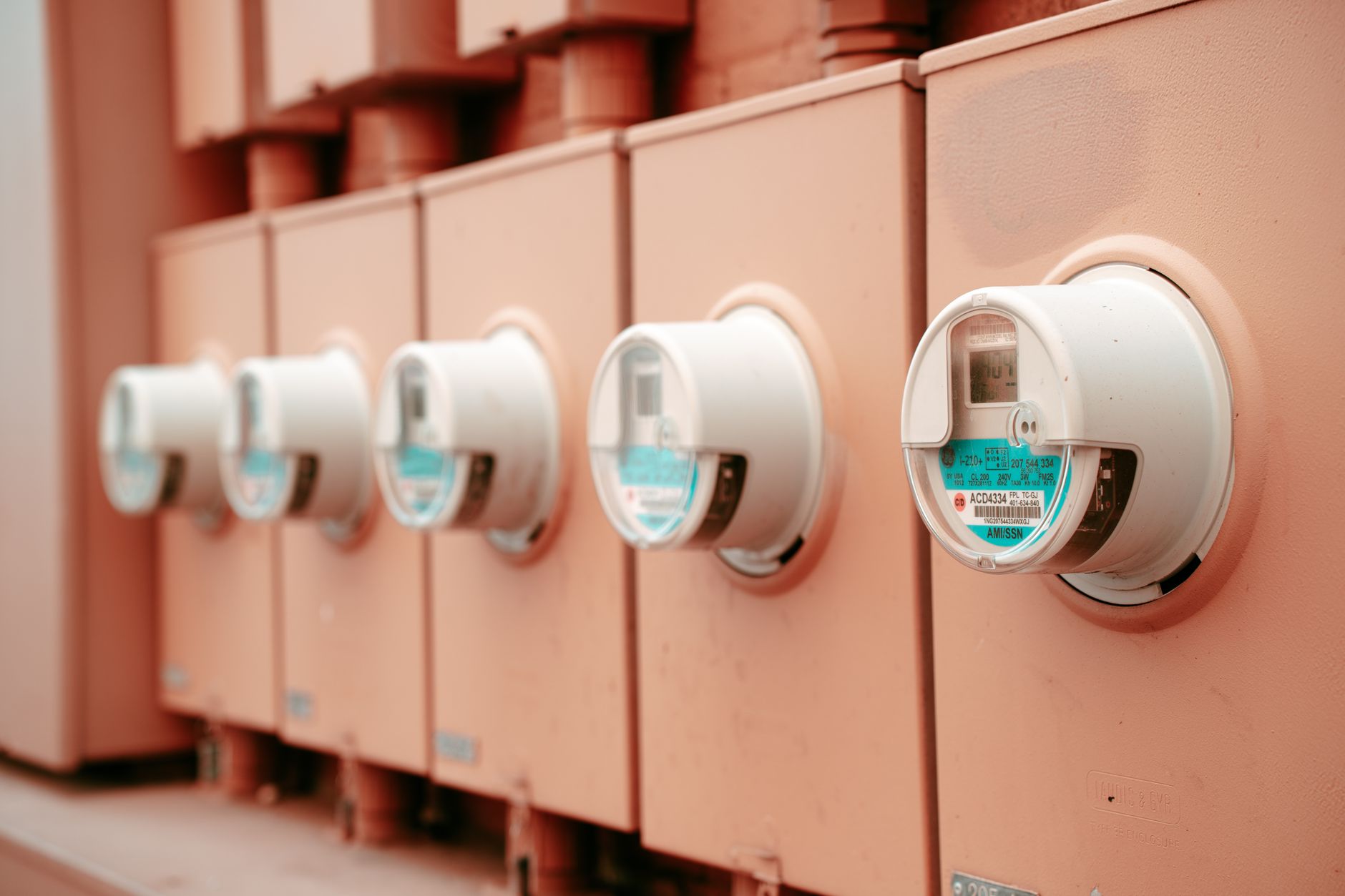
Every homeowner who calls me about a wind turbine starts the same way. They want the thing that spins. Then we pull up the wind map, walk the lot lines, and read the noise ordinance, and the conversation usually ends with panels on the roof. That is not a knock on wind. It is a resource problem. A rooftop array on a mediocre solar site still makes useful power every sunny day. A small turbine on a mediocre wind site makes almost nothing, and it makes it with bearings, blades, and a tower that all need attention. Before you compare hardware, compare your site. Our guide to how much solar costs shows the math installers use on the solar side.
I compared these two technologies on five things: annual energy per installed watt, capacity factor, maintenance load, permitting friction, and behavior during a grid outage. Capacity factor is the number that separates them. A fixed rooftop array in the Northeast runs a 14 to 18 percent capacity factor across a full year. A well-sited small turbine on a 20 mph ridge can hit 25 to 35 percent. That same turbine at an 8 mph annual average, which is what most wooded and suburban lots see at 30 feet, falls under 5 percent. Five percent of a 2 kW rating works out to roughly 900 kWh a year, less than a pair of 400W panels would make in the same yard, delivered by a machine with moving parts.
Code matters here more than the brochures admit. Rooftop solar falls under Article 690 of the National Electrical Code, which requires a rapid shutdown device so firefighters can kill array voltage at the roof edge. Tower-mounted turbines get reviewed under local zoning instead, and most jurisdictions enforce a setback equal to tower height plus rotor radius along with a height cap that often lands at 35 feet on residential lots. A 35 foot cap puts the rotor in the slowest, most turbulent air on the property, which is exactly where a turbine cannot perform. EnergySage spells out the interconnection paperwork your utility will require before either system can back-feed the grid.
Utility rules are shifting under both technologies. Net metering policies in several states have moved to avoided-cost export rates that pay very little for the power you push to the grid. That change punishes oversized systems and rewards self-consumption. A solar array paired with a battery now earns its keep by holding midday production for a 7 p.m. air conditioner instead of exporting it for a credit that keeps shrinking. Wind has the same problem with a worse profile, because a turbine often peaks at 2 a.m. when nobody is awake to use the power and the battery is already full. If export credits are part of your plan, start with our net metering guide.
How Do the Top Options Compare?
| Option | Best For | Typical Output | Outage Behavior | Check Price |
|---|---|---|---|---|
| Rooftop solar PV | Most homes with an unshaded roof | 4 to 10 kW, 12 to 30 kWh a day | Needs a battery after dark | Check price |
| Small wind turbine | Rural lots with 12+ mph average wind | 1 to 10 kW rated, 500 to 6,000 kWh a year | Needs a battery bank | Check price |
| Hybrid solar plus wind | Land owners chasing winter output | Combined array and turbine | Needs a larger bank plus a dump load | Varies by installer |
| Solar plus whole-home battery | Outage-prone suburbs and weak export rates | 10 to 15 kWh storage, 11.5 kW continuous | 12 to 24 hours of essentials | Check price |
| Off-grid solar kit | Remote cabins and full independence | 3 to 12 kW with a 10 to 30 kWh bank | 1 to 3 days depending on sun | Check price |
| Standby generator | Multi-day outages and heavy loads | 14 to 22 kW | Runs until the fuel runs out | Check price |
Output figures assume a well-sited system: about 4.5 peak sun hours a day for solar, and a 12 mph or better annual average at hub height for wind. Runtime estimates assume 90 percent depth of discharge on a lithium battery bank and an 800W average essential load. Local zoning, utility rules, and roof condition can change any of these numbers.
1. Rooftop Solar PV , Best for most homes with an unshaded roof
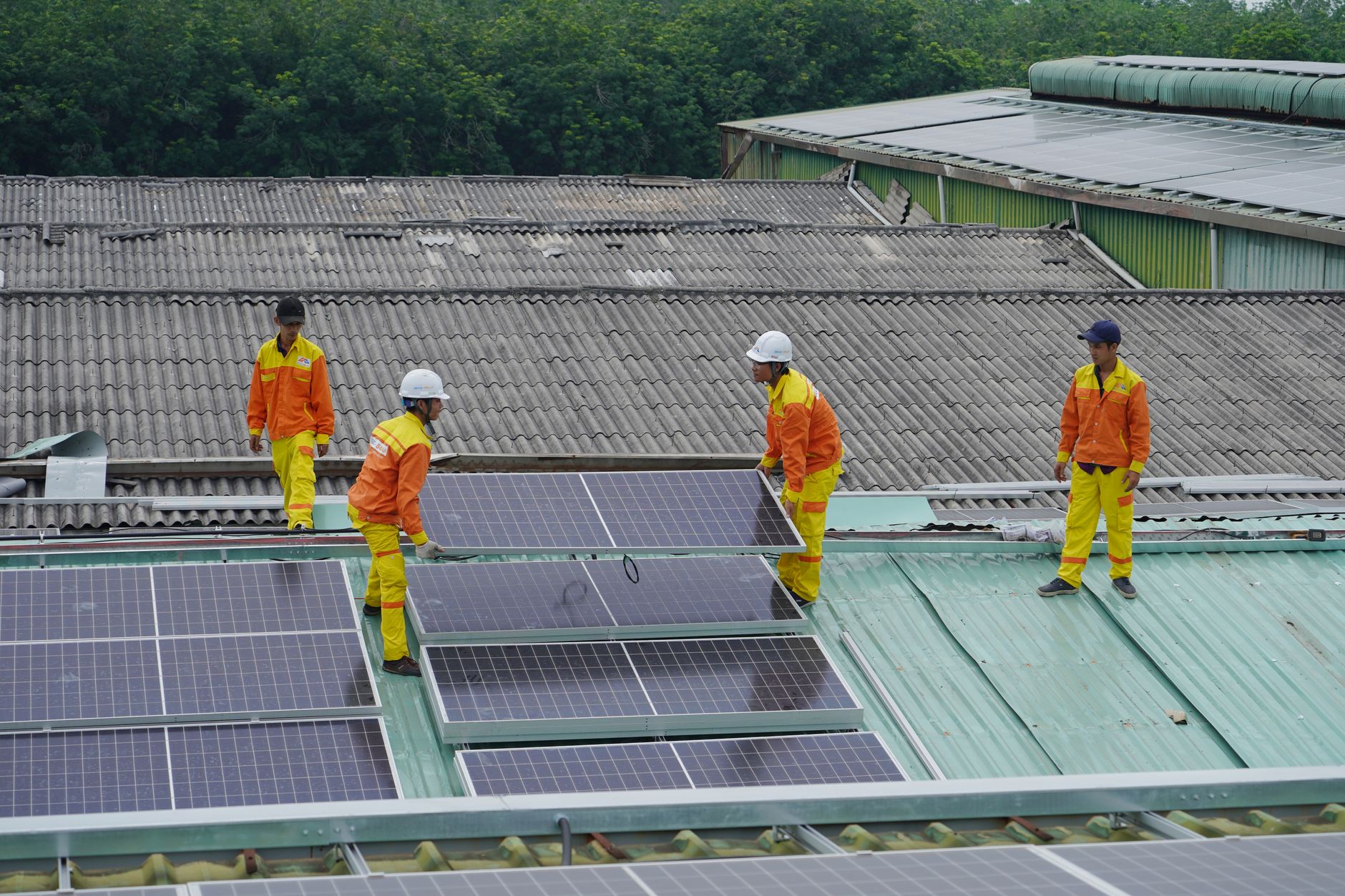
A modern residential panel runs 400W to 450W, and ten of them make a 4 kW array that fits on roughly 200 square feet of roof. In a location averaging 4.5 peak sun hours, that array produces about 15 to 18 kWh a day in summer and 8 to 11 kWh in December. Panels carry 25-year production warranties, have no moving parts, and lose around 0.5 percent of output per year. If you want to compare modules on efficiency, temperature coefficient, and warranty terms, our breakdown of the best solar panels for homes covers the differences that actually matter.
Predictable output is the underrated advantage. You can pull 20 years of satellite weather data and forecast annual production within a few percent. That predictability is what makes financing work, because a lender can model the savings instead of guessing at them. Wind cannot be modeled that tightly at residential scale, and no lender treats a residential turbine the way it treats a solar array.
The installation side has hard rules. Article 690 of the National Electrical Code requires module-level rapid shutdown so first responders can de-energize the array at the roof edge. Grounding, flashing, and racking all get inspected, and your utility has to approve the interconnection before the meter spins backward. A structural check is worth the money on older homes. Most arrays add 3 to 4 pounds per square foot, well inside typical roof loads, but a shingle roof at the end of its life should be replaced first because pulling and reinstalling panels later is a real expense.
Key strengths:
- ✅ Output is measurable and predictable, which makes battery sizing straightforward
- ✅ No moving parts and no routine maintenance beyond an occasional rinse
- ✅ Works on almost any roof with sun between 9 a.m. and 3 p.m.
- ✅ Qualifies for the 30 percent federal residential clean energy credit and most state programs
- ✅ Scales one panel at a time, so you can start small
- ❌ Makes nothing useful after dark, so every night hour comes from a battery or the grid
- ❌ Winter output in northern states can run 50 to 70 percent below June
- ❌ Roof orientation, pitch, and shade decide your production before any equipment choice does
Who it’s for: Choose solar if you have a sunny roof, a normal suburban lot, and you want the lowest-maintenance path to lower bills.
2. Small Wind Turbine , Best for rural properties with 12+ mph average wind at hub height

Small turbines are rated from 1 kW to 10 kW, and the rating means nothing without a wind speed attached to it. Power in the wind rises with the cube of speed, so a 25 mph gust carries roughly eight times the energy of a 12.5 mph breeze. A 2 kW machine that reaches rated output at 27 mph delivers a few hundred watts in a 10 mph wind. Manufacturers publish cut-in speeds around 7 mph and rated speeds around 24 to 28 mph. Most suburban and wooded lots average 6 to 8 mph at 30 feet, which is why rooftop-mounted turbines rarely pay for themselves.
Rural sites change the picture completely. A ridge, a coastal bluff, or open plains land with a 14 to 18 mph average at 80 feet is a genuine wind site, and a turbine there can produce 3,000 to 6,000 kWh a year. NREL publishes wind resource maps that show average annual speeds by region, and those maps are the right first stop before you call a dealer or sign anything.
Budget for the tower, not just the machine. A 60 to 100 foot tower, a concrete foundation or guy anchor set, a tilt-up gin pole or crane, an electrical run back to the house, and annual inspection of blades, yaw bearings, and the brake. Small machines run about 45 to 65 dBA at 50 feet, which is roughly the volume of a quiet conversation and loud enough to draw complaints in a dense neighborhood. Ice throw and blade failure are real hazards, which is why fall-zone setbacks exist in the first place.
Key strengths:
- ✅ Produces power at night and through winter storms, which solar cannot do
- ✅ A strong rural site can hit a 25 to 35 percent capacity factor, the highest of any home-scale generator
- ✅ Fits remote properties where a utility line extension is impractical
- ✅ Small ground footprint, so it does not compete with garden or pasture space
- ❌ Output is entirely site dependent, and a weak site produces almost nothing
- ❌ Moving parts mean blade balancing, lubrication, bearing inspection, and eventual inverter or brake repairs
- ❌ Height caps and fall-zone setbacks rule out most suburban and small-lot installations
Who it’s for: Choose wind only if you own acreage and can document a 12 mph or better annual average at the height you are allowed to build.
3. Hybrid Solar Plus Wind , Best for land owners who want winter and summer coverage
Wind and solar peak in different seasons. A northern array makes its best numbers from May through August, while average wind speeds climb from November through March. On a property with both resources, a hybrid system flattens the annual production curve and cuts the number of days the battery bank gets pulled down deep. That matters most in off-grid designs where a deep discharge in January means running a generator.
The hardware is more involved than either system alone. You need separate charge controllers or a hybrid inverter with two DC inputs, a battery bank sized for the worst week of the year, and a diversion load to absorb excess production once the batteries are full. A 6 kW array plus a 2 kW turbine on a 16 mph site can realistically deliver 9,000 to 12,000 kWh a year, but only with the right wiring topology and only on a site that genuinely earns it.
The honest downside is complexity. Two permits, two inspection schedules, two maintenance calendars, and more failure points. Every extra connection is another place for a loose lug or a corroded terminal. Hybrid only makes sense when the wind resource truly exists, not as insurance against a mediocre site. If you are chasing full independence, this is the configuration that gets you there on a cloudy, windy property.
Key strengths:
- ✅ Smooths seasonal output so the battery bank cycles less deeply
- ✅ Adds winter and overnight generation that a solar-only system cannot match
- ✅ Lets you start with solar and bolt on a turbine later
- ✅ Improves off-grid reliability in cloudy, windy climates like the Great Lakes and Pacific Northwest
- ❌ Two permitting processes and two separate maintenance schedules
- ❌ Requires a larger battery bank and a diversion load to manage overproduction
- ❌ Cost per kWh climbs fast if the wind half underperforms
Who it’s for: Best for rural owners who already know their wind resource is real and want year-round generation.
4. Solar Plus a Whole-Home Battery , Best for outage-prone suburbs and anyone facing weak export rates
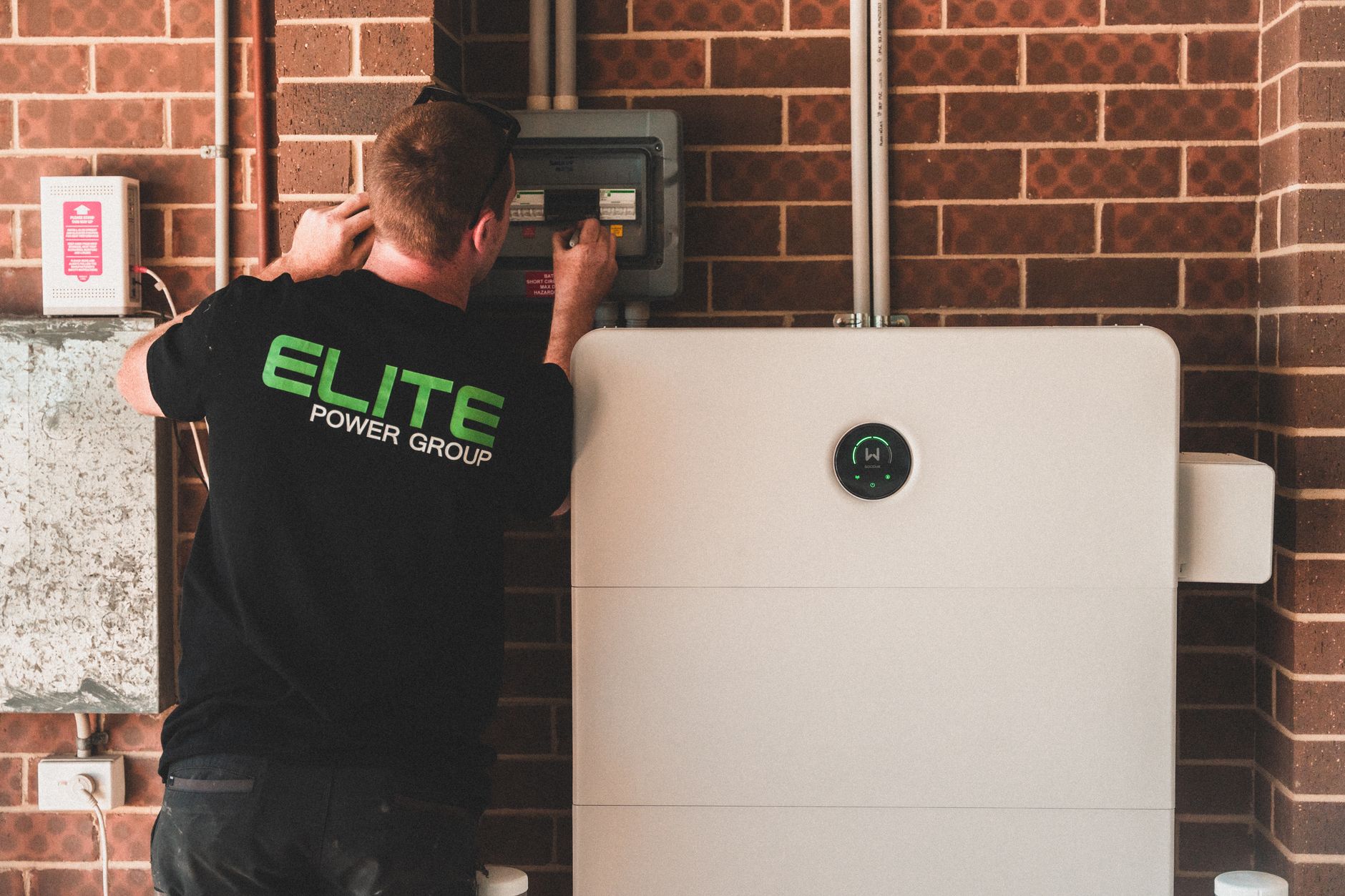
Solar alone goes dark when the grid drops, because grid-tied inverters shut off to protect line crews. Storage fixes that. A Tesla Powerwall 3 holds 13.5 kWh and delivers 11.5 kW continuously, which is enough to start a 2,400 watt well pump pulling a 7,200 watt surge and still run the fridge. Enphase builds in 5 kWh modules, and FranklinWH and EcoFlow sell comparable units. For a full breakdown of usable capacity, surge ratings, and warranty terms, see our roundup of the best whole-home batteries. Check the Tesla Powerwall 3 on Amazon if you want to see how the pricing compares to installer quotes.
Runtime is the number buyers get wrong. A 13.5 kWh battery at 90 percent depth of discharge gives you about 12 kWh of usable energy. Run essentials at an 800W average draw, which covers a fridge, lights, internet, and a furnace blower, and you get roughly 15 hours. Add central air and the same battery is empty in 4 to 6 hours. That is the tradeoff nobody mentions in the sales pitch: capacity is not the same as endurance.
Installed batteries carry UL 9540 listing requirements, clearance rules from walls, windows, and doors, and often a rapid shutdown device of their own. The critical loads panel and transfer equipment must be installed by a licensed electrician, so do not plan on doing that part yourself. Grid-tied storage also needs utility approval, and a growing number of jurisdictions cap how much you can export or require a visible disconnect.
Key strengths:
- ✅ Turns an outage into a non-event: lights stay on and the fridge never thaws
- ✅ Stores midday solar production for evening use, which is worth more as export rates fall
- ✅ No fuel, no exhaust, no noise, and nothing to refill at 2 a.m.
- ✅ Some utilities pay for stored capacity through demand response programs
- ❌ Runtime is finite, so a three-day ice storm needs either rationing or a backup generator
- ❌ Storage is the most expensive part of the system per kWh of usable energy
- ❌ Not every home has wall or garage space that meets clearance code
Who it’s for: Choose solar plus storage if you want silent, automatic backup and you accept that runtime is finite.
5. Off-Grid Solar Kit , Best for cabins, remote builds, and full independence
An off-grid kit is the fastest route to a house that runs without a utility. Typical packages include 3 to 12 kW of panels, a 48V lithium battery bank, an MPPT charge controller, and a hybrid inverter that can also accept a generator or grid input as a fallback. Sizing runs backward from December, not from June, because a 6 kW array that makes 30 kWh on a clear July day may only make 8 to 12 kWh on a cloudy December day. If you want the whole build sequence, from well pumps to septic and propane, our guide on how to go off grid walks through it step by step.
Battery math is simple once you know the units. A single 48V 100Ah lithium battery stores 5.1 kWh. Four of them give you 20.4 kWh, and at 90 percent depth of discharge that is roughly 18 kWh to spend overnight. Run a 1,200W average load and you get about 15 hours. Run a heat pump and a couple of space heaters and the same bank is done in three. Check the EcoFlow Delta Pro Ultra on Amazon to see one expandable option that works as a starter bank or an outage backup.
Most off-grid kits have no wind input at all, and that is fine on a sunny site. Adding a turbine later means a second charge controller, a diversion load, and another permit. Kit hardware is pre-matched, so the inverter and controller talk to each other on day one, but you own every failure after that. There is no utility crew to call when the inverter faults on a Sunday night.
Key strengths:
- ✅ Covers every circuit in the house, including well pumps, without a critical loads panel decision
- ✅ Cuts the cord completely, so there is no utility bill and no interconnection paperwork
- ✅ Kits are pre-matched, so inverter, controller, and battery communicate correctly out of the box
- ✅ Expandable: add panels or batteries as your load grows
- ❌ Winter production can fall 60 percent below summer, which forces you to oversize the array
- ❌ You own every failure, and there is no utility to call when equipment faults
- ❌ Most kits assume a sunny site and give you nothing on wind
Who it’s for: Best for remote property owners who need power where the grid does not reach or costs too much to extend.
6. Standby Generator as the Backup Baseline , Best for multi-day outages and heavy loads
Generators still win one category: unlimited runtime. A 14 to 22 kW air-cooled standby unit runs the whole house, including a 5-ton air conditioner, and keeps running as long as propane or natural gas flows. A 22 kW unit burns roughly 1.5 to 2.5 gallons of fuel per hour at full load and 0.5 to 0.8 gallons per hour at half load. Noise runs 60 to 70 dBA at 23 feet, which is about the volume of a normal conversation at close range and loud enough to annoy a neighbor at 1 a.m.
They also carry a maintenance bill that most buyers ignore. Oil and filter changes every 100 to 200 running hours, annual valve checks, a starting battery every few years, and a weekly exercise cycle that burns fuel whether you need power or not. Portable units are worse, running 65 to 75 dBA with a carbon monoxide risk that kills people every year. Never run a portable generator in a garage, basement, or breezeway. Manufacturers require placement at least 20 feet from doors, windows, and vents with the exhaust pointed away from the house.
For many homes the practical answer is a hybrid. Solar plus a battery handles the first 24 to 48 hours silently and instantly, and a smaller generator covers the multi-day event. That combination costs more than either alone, but it removes the two worst failure modes: empty batteries during a long storm and a generator that will not start in the cold. Our comparison of solar batteries against generators breaks down runtime, fuel burn, and noise side by side.
Key strengths:
- ✅ Unlimited runtime as long as fuel keeps arriving
- ✅ Handles large motor loads like central air and well pumps without a battery bank
- ✅ Installed cost is often lower than a comparably sized battery system
- ❌ Burns fuel, needs scheduled maintenance, and makes noise at night
- ❌ Carbon monoxide risk if sited or operated incorrectly
- ❌ Does nothing for your electric bill on a normal day
Who it’s for: Choose a generator if your outages routinely last days or your loads are too heavy for a residential battery.
How to Pay for Solar, Wind, and Storage
The 30 percent federal residential clean energy credit covers solar panels, small wind turbines, and battery storage, and it has no dollar cap. Storage qualifies even when it is not paired with solar. Several states and utilities add rebates on top, especially for batteries that can be dispatched during peak demand. Wind equipment requires a manufacturer certification statement, so ask the dealer for that document before you sign anything.
Watch two cost traps on the wind side: the tower and the interconnection. A quote that lists a turbine but not a foundation, crane time, trenching, and a licensed electrical run is not a complete number. Solar quotes usually bundle racking, wiring, permitting, and labor into one price per watt, which makes comparison shopping far easier. The U.S. Department of Energy maintains a state and utility incentive list worth checking before you collect bids.
Frequently Asked Questions
Is solar or wind better for a typical home?
Solar wins for most homes. A rooftop array generates useful power on any reasonably sunny site, while a small wind turbine needs an annual average of 12 mph or more at hub height to produce meaningful output. Most suburban and wooded lots never reach that speed at the height zoning allows.
How much wind do I need for a home wind turbine?
Plan on a 12 mph annual average at the height of the rotor, which usually means a tower of 60 feet or taller. At an 8 mph average, expect under 1,000 kWh a year from a 2 kW turbine, which is roughly what two solar panels produce.
Do home wind turbines qualify for the federal tax credit?
Yes. Small wind turbines that meet the performance and siting requirements are eligible for the 30 percent residential clean energy credit, along with solar panels and battery storage. Save the manufacturer certification statement with your tax records.
Can I run a whole house on solar alone?
Not at night, and not during a grid outage. Grid-tied solar inverters shut down when the grid drops to protect line workers. A storage system with an automatic backup interface keeps your selected circuits running through the night and through outages.
How loud is a home wind turbine compared to a generator?
A small turbine runs about 45 to 65 dBA at 50 feet, and an air-cooled standby generator runs about 60 to 70 dBA at 23 feet. Solar panels make no noise at all, which is one reason they win on suburban lots.
Do I need a permit for a wind turbine?
Almost always. Most jurisdictions enforce a tower height cap plus a fall-zone setback equal to the tower height plus the rotor radius, and some require a noise study or neighbor sign-off. Check zoning before you order hardware.
What Should You Remember?
- Solar wins on most properties because output is predictable, maintenance is close to zero, and any unshaded roof can host an array.
- Wind needs a 12 mph annual average at hub height to compete, which usually means acreage, a 60 foot tower, and a zoning review.
- Compare capacity factor, not nameplate ratings: 14 to 18 percent for fixed solar, 25 to 35 percent for a strong wind site, and under 5 percent for a bad one.
- Neither technology runs at night without storage, so budget for a battery if evening hours and outages matter to you.
- Runtime beats spec sheets: 13.5 kWh of storage covers roughly 15 hours of essentials at an 800W average draw.
- Settle code and interconnection first: rapid shutdown, fall-zone setbacks, UL 9540 listing, and utility approval all shape what you can legally install.
This article is for general information only. Home energy systems involve high-voltage electrical work, building codes, permits, and in some cases utility interconnection approvals , always consult a licensed electrician and your local authority before making purchase or installation decisions. Product specs, pricing, and incentives (including tax credits and net metering) change frequently; verify current details with the manufacturer and your utility.