Texas generates more wind power than any other state, and it is not close. Drive the I-20 corridor between Abilene and Sweetwater and you will pass hundreds of turbines, each rated at 2 to 3 megawatts, turning across ranch land. That is utility-scale wind. It sells electricity into the ERCOT grid. It cannot run your furnace when the grid fails. Winter Storm Uri proved that in February 2021, when more than 4.5 million Texas homes and businesses lost power, some for days. The state grid came within minutes of a much longer blackout. If the last few winters taught Texas homeowners anything, it is that backup power is a personal responsibility. Start with our guide to how to prepare for power outages before you spend a dollar on hardware.
Residential wind is a different machine with a different set of rules. A home turbine runs 400 watts to 5.5 kilowatts, sits on a 60 to 100 foot tower, and only earns its keep in a real wind resource. NREL wind maps put the strong Texas sites in the Panhandle, the Hill Country ridges, and the coastal plain, where the annual average at 33 feet hits 11.5 mph or better. Most suburban lots fall short of that number, and a subdivision HOA will rarely approve a 100 foot tower anyway. Wind power scales with the cube of wind speed, so a site averaging 10 mph produces roughly half the energy of a site averaging 13 mph with the same machine. That math decides everything. Read our off-grid planning guide if you want to test whether your land qualifies.
We compared five paths Texas homeowners actually take: a small wind turbine kit, a hybrid wind and solar system built around a battery inverter, a whole-home battery, grid-tied solar with a buyback plan, and a standby generator. The scoring criteria were blunt. Does it produce power when the grid is down? How much wind or sun does it need? What does the equipment do to your bill in a normal month? What noise does it make at 1 a.m.? What maintenance does it demand in year eight? And what does the whole install cost per kilowatt-hour delivered over 20 years? We pulled performance data from NREL testing and cost data from our own whole-home battery cost breakdown. No option on this list wins everywhere.
Here is the short version before the details. Wind is the right answer for a small number of Texas properties, mostly rural acreage with a clean wind fetch and a utility that allows interconnection. For everyone else wind is a supplement, and the money is better spent on solar plus storage. A battery keeps the lights on through an ERCOT event, and it does it silently with no fuel and no fumes. The comparison below is written for a homeowner who wants the refrigerator, the internet, and a bedroom air conditioner running through the next storm. Every option here is real equipment you can buy and have installed by a licensed electrician.
How Do the Top Options Compare?
| Option | Best For | Typical Output | Backup During an Outage | Where to Buy |
|---|---|---|---|---|
| Small wind turbine kit (Bergey Excel 5, Primus Air 40) | Rural acreage with steady wind | 400 W to 5.5 kW | Yes, with a battery bank | Check price |
| Hybrid wind and solar inverter (Sol-Ark 15K) | Full off-grid independence | 15 kW AC output | Yes, with batteries | Licensed installer |
| Whole-home battery (Powerwall 3, IQ Battery 5P, aPower 2) | Quiet, instant outage protection | 13.5 kWh and 11.5 kW per unit | Yes, 12 to 16 hours of critical loads | Certified installer |
| Grid-tied solar with a buyback plan | Suburban homes with good sun | 5 to 12 kW array | No, unless a battery is added | Solar installer quotes |
| Standby generator (Generac Guardian 24 kW) | Multi-day outages and heavy loads | 22 to 24 kW | Yes, as long as fuel lasts | Check price |
Output figures are manufacturer ratings at standard test conditions, not guaranteed production. Real wind output depends on hub height, terrain, and annual average wind speed. Runtime estimates assume critical loads only and will drop fast once central air conditioning or EV charging is added. All grid-tied and battery installations require permits, inspections, and a licensed electrician.
1. Residential Small Wind Turbine Kits (Bergey Excel 5 and Primus Air 40) , Best for rural acreage with a steady 12 mph wind

Small wind turbines are the only wind option a homeowner can actually install, and the category splits into two useful sizes. The Bergey Excel 5 is a 5.5 kW machine with a 21 foot rotor that reaches rated output in a 24 to 25 mph wind and starts turning at about 5 mph. It mounts on an 80 to 100 foot tower and needs a poured concrete foundation. The Primus Air 40 sits at the other end of the scale: a 400 watt turbine with a 46 inch rotor that hits its rating in a 28 mph wind and begins charging a battery bank around 8 mph. It weighs about 13 pounds and bolts to a guyed pipe tower a handy homeowner can raise without a crane.
Tower height is where first-time buyers lose money. Wind speed climbs with altitude, and every extra 30 feet of tower adds real energy. A 5 kW turbine on a 60 foot tower in a Class 2 site will not out-produce a 1 kW turbine on a 100 foot tower in a Class 3 site, and the cheap rooftop mounts sold online are the worst of both worlds. Rooftop turbulence cuts output and shakes the house while it does it. Use NREL’s wind resource data to find your annual average at hub height before you buy anything.
Noise is manageable but not invisible. Small turbines run in the mid-40s to low-50s dBA at 100 feet, roughly a refrigerator hum plus a rhythmic whoosh as each blade passes the tower. That is quiet at the house and noticeable at the property line. Output is the bigger issue. Residential wind capacity factors land between 10 and 25 percent, which means the machine spends most of the year well below its rated number. On a calm day it makes zero watts, so a battery is mandatory, not optional. Size that bank with our home battery sizing guide before you pick a turbine.
Installation is a permitted electrical job. Grid-tied turbines need a UL 1741 listed inverter, a visible disconnect, and a utility interconnection agreement, and the tower grounding has to be bonded correctly or a lightning strike will find your electronics. Check the Primus Air 40 on Amazon if you want a small starter turbine, and talk to a Bergey dealer for the 5 kW class.
Key strengths:
- ✅ Produces power at night, in winter, and during the cloudy stretches when solar gives up.
- ✅ No fuel, no exhaust, and no refueling runs during a storm.
- ✅ A 20 year design life with only bearing and blade inspections once or twice a year.
- ✅ Pairs naturally with a battery bank and charge controller, so it works completely off grid.
- ❌ Needs a real wind resource, roughly 12 mph annual average at hub height, or the payback never arrives.
- ❌ Tower, foundation, and wiring push installed cost above a solar array of similar output.
- ❌ Output is zero on calm days, which makes storage a requirement rather than an upgrade.
- ❌ Tower height and blade noise can trigger neighbor complaints and HOA fights.
Who it’s for: Rural Texas homeowners on five or more acres with a clean wind fetch and no HOA wind restrictions.
2. Hybrid Wind and Solar System with a Battery Inverter (Sol-Ark 15K) , Best for full off-grid independence
The hybrid approach is what most people picture when they talk about going off grid in Texas, and it is the only configuration where wind and solar cover each other’s bad days. A single 15 kW hybrid inverter such as the Sol-Ark 15K accepts solar arrays, a rectified wind turbine, a generator, the grid, and a lithium battery bank at the same time. It can pass up to 200 amps of grid power through to a main panel, run the house on batteries during an outage, and recharge from whatever source is producing. Wind tends to peak in winter and after dark, exactly when solar falls off, so the two sources overlap less than you would expect.
Wind integration takes more parts than a solar install. A turbine puts out wild AC or DC, so it needs a rectifier and a charge controller before it touches a battery, plus a dump load to burn off excess power when the bank is full and the wind is howling. That dump load is not optional. Overcharging a lithium bank is a fast way to destroy it. This is also where a hybrid inverter earns its price, because it manages state of charge and switches between sources without you touching a thing.
Code and safety requirements tighten up here. Grid-tied equipment needs UL 1741 listed inverters, rapid shutdown for the solar array, arc fault protection, and a lockable disconnect. Battery systems must be listed to UL 9540 and follow NEC 706 rules for spacing, ventilation, and labeling. Most Texas utilities want an interconnection agreement and a witness test before they allow any backfeed. Do not shortcut this with a homemade transfer switch. A licensed electrician should handle the panel work, and the tower grounding has to be bonded to the same electrode system as the house.
Performance is honest but not magical. A well-sited 5 kW turbine plus an 8 kW solar array plus 20 to 30 kWh of storage will carry a modest, efficient home year round in a good wind zone. Add a heat pump and an EV and the numbers get tight fast. Expect to lean on a generator or the grid for a few weeks a year in the worst months, and budget for battery replacement somewhere around year 12 to 15.
Key strengths:
- ✅ One inverter manages solar, wind, batteries, the grid, and a generator at the same time.
- ✅ Winter wind and summer sun cover different months, so total production stays steadier.
- ✅ Can run the house indefinitely off grid if the resource and battery bank are sized correctly.
- ✅ Batteries recharge from multiple sources, which matters during a long outage.
- ❌ Highest installed cost of any option here once tower, batteries, and inverter are added.
- ❌ Wind integration needs a rectifier, charge controller, and dump load, and each one adds a failure point.
- ❌ Requires a licensed installer, permits, and a utility interconnection agreement before it can export.
Who it’s for: Homeowners on rural acreage who want year-round independence and are willing to pay for a real hybrid system.
3. Whole-Home Battery Backup (Tesla Powerwall 3, Enphase IQ Battery 5P, FranklinWH aPower 2) , Best for fast, silent outage protection
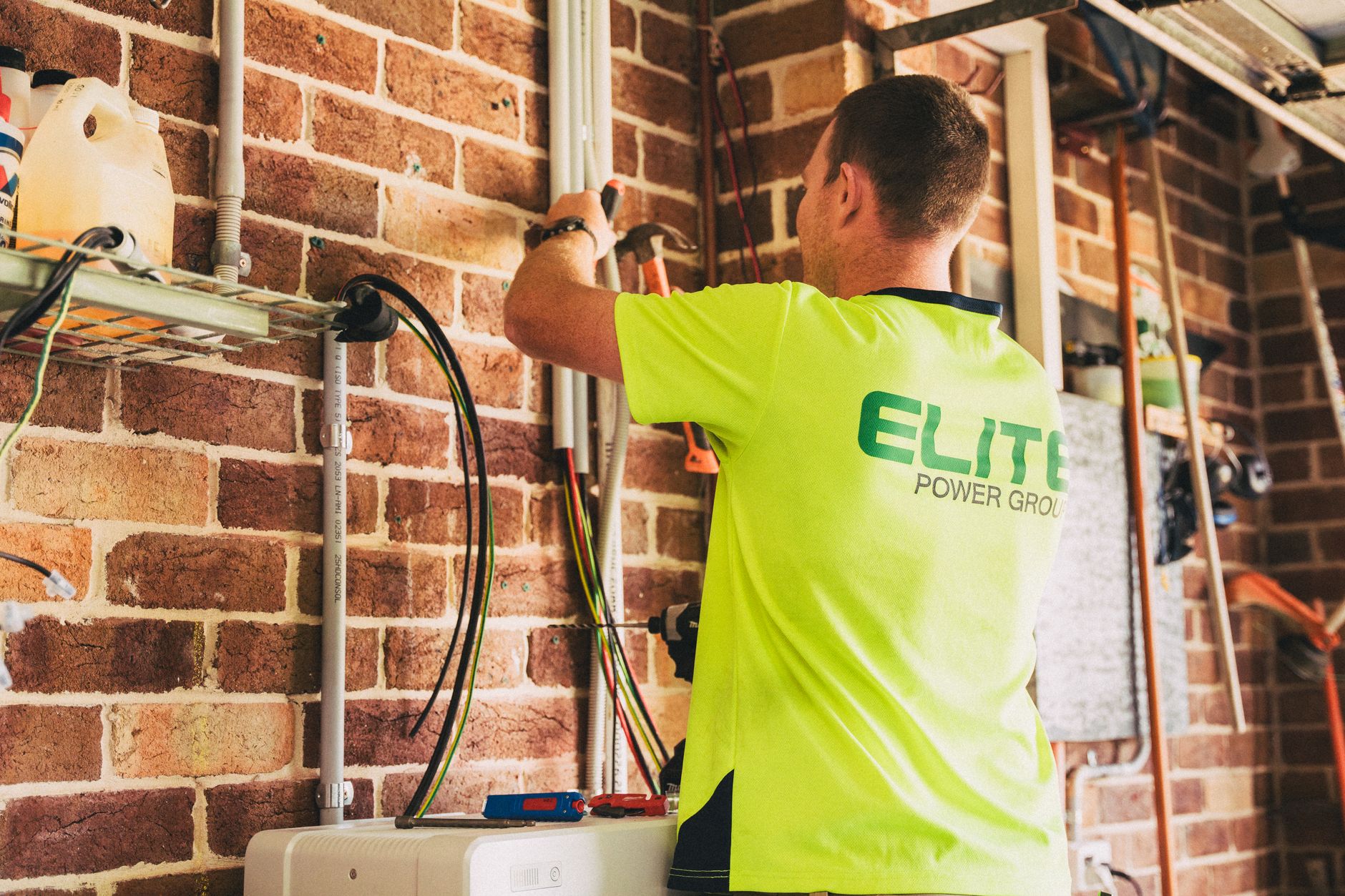
This is the option most Texas homeowners should price first. A whole-home battery stores cheap grid or solar energy and discharges it when the grid drops, with no fuel, no noise, and no moving parts. The Tesla Powerwall 3 delivers 13.5 kWh of usable capacity and 11.5 kW of continuous output, enough to run a typical home’s critical loads and still start a central air conditioner with a soft start kit. The Enphase IQ Battery 5P is smaller at 3.84 kWh usable and 3.84 kW continuous per unit, and installers stack them to reach 20 to 40 kWh. The FranklinWH aPower 2 lands in the middle at 15 kWh and 10 kW of continuous output.
Runtime depends entirely on what you leave turned on. A 13.5 kWh battery running a refrigerator, lights, internet, a couple of ceiling fans, and a TV pulls roughly 700 to 900 watts, which works out to 12 to 16 hours before the bank is empty. Add a 4 ton air conditioner and the picture changes. That compressor draws about 4,000 to 5,000 running watts and can spike past 15,000 watts at startup. Load management or a soft start is the difference between an air conditioned outage and a dead battery in 90 minutes.
Safety and code requirements are where a good installer separates from a cheap one. Energy storage systems must be listed to UL 9540, and installers follow NEC 706 for disconnect placement, labeling, and working space. EnergySage’s storage guides are a plain-English reference for what a permit inspector looks for, including clearance from windows and doors and the listing requirements for outdoor cabinets. Wall-mounted units in a garage need bollard protection if a car parks next to them. None of this is exotic, but it is why a battery install takes a licensed electrician and a permit rather than an afternoon with a drill.
The trade-off is cost and longevity. A whole-home battery is the most expensive way to buy a kilowatt-hour, and it generates nothing. It shifts and stores. Pair it with solar if you want a lower bill. If your goal is riding out the next ice storm in a warm house, it does that job better than anything else on this list.
Key strengths:
- ✅ Instant, silent backup with no fuel, no exhaust, and no carbon monoxide risk.
- ✅ 11.5 kW of continuous output on a Powerwall 3 runs most of a house and starts an AC with a soft start.
- ✅ Stores cheap overnight power and shifts it to peak hours to cut the monthly bill.
- ✅ Almost no maintenance beyond software updates and an occasional visual inspection.
- ❌ Most expensive way to buy stored energy, and the battery does not generate anything on its own.
- ❌ Runtime collapses once central air or an EV charger is added without load management.
- ❌ Lithium packs degrade and typically need replacement somewhere around year 12 to 15.
Who it’s for: Suburban homeowners who want quiet, automatic backup for the fridge, internet, lights, and a bedroom AC.
4. Grid-Tied Solar with a Texas Buyback Plan , Best for suburban homes with good roof sun
For a suburban Texas home with a decent roof, solar beats wind on every practical measure. No tower, no moving parts, no noise complaint from the neighbor, and a much lower installed cost per watt. Each kilowatt of solar in most of Texas produces roughly 1,400 to 1,600 kWh a year, so an 8 kW array covers a big chunk of a typical 12,000 kWh annual bill. Panels carry 25 year production warranties, and the only regular maintenance is a rinse with a hose a couple of times a year.
The money side depends on your retail electric provider. Texas has no statewide net metering mandate, and because most of the state is deregulated, buyback rates swing wildly from one provider to the next. Some pay a retail rate for exported power, some pay the wholesale rate, and some pay nothing at all. Plan terms change every year, so read the fine print before you sign a 24 month contract. Our net metering guide breaks down the plan types, and the federal residential clean energy credit still offsets a meaningful share of the installed cost.
The hard limitation is backup. A grid-tied solar system without a battery shuts off the moment the grid fails. That is not a defect. It is UL 1741 anti-islanding, and it exists so a lineman is not electrocuted by your array while he repairs the line. If you want solar production during a blackout, you need a battery or a hybrid inverter feeding a backed-up subpanel. Every winter someone in Texas finds this out the hard way, usually at 2 a.m. with a flashlight in hand.
Key strengths:
- ✅ Lowest cost per kilowatt-hour of anything on this list.
- ✅ No moving parts, no noise, and a 25 year production warranty on most panels.
- ✅ Works on any roof with decent southern or western exposure.
- ✅ Federal tax credit and utility buyback plans improve the long term math.
- ❌ Grid-tied systems shut down during a blackout unless a battery is added.
- ❌ Buyback rates in Texas vary by provider and can change at contract renewal.
- ❌ Output drops hard in winter and during cloudy weeks, so annual numbers matter more than daily ones.
Who it’s for: Homeowners in subdivisions who want to cut their bill and are willing to add a battery later for backup.
5. Standby Generator Backup (Generac Guardian 24 kW) , Best for multi-day outages and heavy loads
When the grid is down for three days and the sky is gray, a generator is the only thing on this list that runs an entire house with no capacity limit. A 22 to 24 kW air-cooled unit such as the Generac Guardian 24 kW runs on natural gas or propane, starts automatically through an automatic transfer switch within about 10 seconds, and carries two air conditioners, a well pump, and everything else in the panel at once. It does not care about clouds, wind speed, or battery state of charge.
The numbers matter at this size. A 24 kW unit is rated around 67 dBA at 23 feet, which is louder than a dishwasher and quieter than a lawn mower. On propane it burns roughly 2.5 gallons per hour at half load and closer to 4 gallons at full load, so a 500 gallon tank gives you about three days of partial-load running. On natural gas it pulls several hundred cubic feet per hour, and that can require a meter upgrade from your gas utility. Plan the fuel before you plan the concrete pad.
Safety is not optional here. Generators produce carbon monoxide, so the unit sits outdoors with clearance from windows, doors, and air intakes, and CO detectors belong inside the house. A transfer switch or a listed interlock kit is mandatory. Backfeeding a panel through a dryer outlet kills line workers and is illegal in every state. NEC 702 and 705 govern the installation, and a permit and inspection come with the job. Check the Generac Guardian 24kW on Amazon to compare models, then have a dealer size the unit and pull the permit.
For smaller needs, a portable power station such as the EcoFlow Delta Pro Ultra delivers 7.2 kW of output and 6 kWh per unit, expandable to 90 kWh, with no fuel and no fumes. It will not run central air for days, but it will run a fridge, a router, a CPAP machine, and a few lamps through a long weekend. Renters and apartment dwellers should start there before they look at any permanent install.
Key strengths:
- ✅ Runs the entire house, including multiple air conditioners, for as long as fuel lasts.
- ✅ Automatic start and transfer in about 10 seconds with no manual intervention.
- ✅ Costs less upfront than a battery bank with the same peak output.
- ✅ Propane stores easily in bulk, and natural gas service never runs out.
- ❌ Burns fuel, runs at roughly 67 dBA, and produces carbon monoxide.
- ❌ Needs annual maintenance, oil changes, and weekly exercise runs.
- ❌ Requires a permit, a transfer switch, and a licensed electrician plus fuel planning.
Who it’s for: Homeowners who need the whole house, air conditioning included, running for days at a time.
Frequently Asked Questions
Can I put a wind turbine on my house in Texas?
You can, but a rooftop turbine rarely produces enough to justify the cost. Small turbines need smooth, unobstructed wind at 60 to 100 feet, and roof turbulence cuts output badly. If your lot is under an acre or your HOA has wind rules, stick with solar.
How much wind do I need for a home wind turbine in Texas?
Plan on an annual average of about 12 mph at hub height. NREL wind maps show the Panhandle, the Hill Country ridges, and parts of the coastal plain clear that bar. Most suburban lots in Dallas, Austin, and Houston do not.
Will a wind turbine keep my power on during an ERCOT outage?
Only if it is wired to a battery bank through a charge controller, and only if the wind is blowing. A grid-tied turbine by itself shuts down with the grid. Pair it with a battery and a hybrid inverter for real backup.
Does Texas pay for wind power I send to the grid?
There is no statewide net metering mandate. In deregulated areas each retail electric provider sets its own buyback rate, and some pay nothing at all. Read the export terms before you sign a long contract.
Is a wind turbine cheaper than solar for a Texas home?
No, not for most homes. Solar has no tower, no moving parts, and a lower installed cost per watt. Wind only wins on rural acreage with a strong resource and open space for a tower.
Can I add a wind turbine to my existing solar battery system?
Sometimes. You need a hybrid inverter that accepts a rectified DC input, a charge controller, and a dump load for excess power. A licensed electrician has to confirm the inverter and battery are compatible before you buy a turbine.
What Should You Remember?
- Check the wind resource first. If your annual average at hub height is under 12 mph, put the money into solar and storage instead.
- Tower height beats turbine size. A 100 foot tower in a Class 3 site outproduces a rooftop mount every single time.
- Batteries make wind useful. Without storage, a turbine cannot keep your lights on when ERCOT goes down.
- Whole-home batteries win for outage comfort. A 13.5 kWh unit runs critical loads for 12 to 16 hours and makes no noise.
- Grid-tied solar shuts off in a blackout. Anti-islanding is required by UL 1741 and protects line crews.
- Generators still own the long outages. A 24 kW unit runs the whole house for days, at the cost of fuel, noise, and maintenance.
- Licensed installs are not optional. NEC 706 governs batteries, NEC 702 and 705 govern transfer equipment, and permits come with inspections.
This article is for general information only. Home energy systems involve high-voltage electrical work, building codes, permits, and in some cases utility interconnection approvals , always consult a licensed electrician and your local authority before making purchase or installation decisions. Product specs, pricing, and incentives (including tax credits and net metering) change frequently; verify current details with the manufacturer and your utility.