Ask ten homeowners what a car battery charger is and you get two answers. One group pictures the wall box in the garage that fills an electric car overnight. The other pictures the small 12V maintainer clamped to a truck battery in the driveway all winter. Both answers are correct, and both matter if you are trying to run your house on power you produce yourself. This guide covers both ends of that spectrum, because the choices you make today about car charging shape your panel, your solar array, and your backup plan for the next decade.
Charging a car is now the largest new electrical load most homes add. An EV holds 60 to 100 kWh, which is four to eight times the capacity of a typical home backup battery. That single fact changes how you size a service panel, plan a solar array, and decide whether a wall charger should stay live when the grid goes down. If you own an EV or plan to buy one, our EV charging and home electricity guide walks through the load math in detail.
I compared these chargers the way an installer would, not the way a spec sheet does. First, what does the unit actually pull from the panel, in watts and amps, on a continuous basis. Second, what circuit does it need, including the 80 percent rule that caps a 50A breaker at 40A of EV charging. Third, how many miles of range per hour it adds to a real car. Fourth, whether it cooperates with solar, a home battery, or a generator. Fifth, how hard it is to install and what code says about it. For efficiency guidance on home equipment, ENERGY STAR is the reference most utilities point homeowners toward.
Timing matters more than most buyers realize. Net metering rules have shifted in many states, so a kilowatt exported to the grid at noon is worth less than a kilowatt you use at 9 p.m. That pushes EV owners toward charging from their own production instead of selling it cheap and buying it back at night. Our net metering guide breaks down export rates by state. Pair a car with a home battery and you can shift solar into the evening, though the battery is small next to the car. Start with whole-home battery options before you assume the car can run on stored power for long. Then size the home battery against real loads, not wishes.
How Do the Top Options Compare?
| Charger Type | Best For | Power Output | Circuit or Outlet | Price |
|---|---|---|---|---|
| Level 1 Portable Cord | Renters, drivers under 40 miles a day | 1.4 kW (12A at 120V) | Dedicated 15A or 20A outlet | Check price |
| Plug-In Level 2, 40A | Most homes, buyers who want portability | 9.6 kW (40A at 240V) | NEMA 14-50 on a 50A breaker | Check price |
| Hardwired Level 2, 48A | Fastest home charging | 11.5 kW (48A at 240V) | 60A two-pole breaker | Check price |
| Solar Plus Home Battery | Roof owners on time-of-use rates | 3 to 11.5 kW, battery limited | Backed-up panel or smart panel | Quoted by installer |
| 12V Smart Maintainer | Stored cars, trucks, backup generators | 15 to 135W (1.25 to 10A at 12V) | Standard 120V outlet | Check price |
Power figures assume a 240V supply and the 80 percent continuous-load rule for branch circuits. Real charging speed depends on the vehicle’s onboard charger, which often caps at 32A or 48A no matter what the wall unit can deliver. Installation cost swings widely with panel capacity, wire length, and local permit rules, so collect at least two quotes from licensed electricians before signing anything.
1. Level 1 Portable EV Charger (120V Cord) , Best for renters and drivers under 40 miles a day
Every new EV ships with one of these. It is a cord with a control box that plugs into a standard 120V household outlet and delivers about 1.4 kW at 12A. In practice it adds 3 to 5 miles of range per hour. A car with a 60 kWh pack takes 40 to 50 hours to go from near empty to full, which sounds brutal until you remember that most people drive 30 miles a day and park for 12 hours.
The 80 percent rule still applies. A 15A household circuit should not carry more than 12A continuously, and that is exactly what a Level 1 cord is designed to pull. Plug it into a shared garage circuit with a chest freezer and a shop light and you will trip the breaker. Use a dedicated 20A outlet when you can, never an extension cord, and check the plug body for heat after the first hour of charging. Overloaded receptacles are the most common cause of EV charging fires in older homes.
For renters this is often the only realistic option, and it is a legitimate one. The unit lives in the trunk, so it also works at a friend’s house or on a campground pedestal with the right adapter. Just manage expectations in January, when a cold pack charges more slowly and part of the energy goes to warming the battery instead of moving the car.
Key strengths:
- ✅ Costs the least by far, with no electrician and no permit required
- ✅ Travels with the car and works on any properly wired 120V outlet
- ✅ Adds 25 to 40 miles of range overnight, enough for a normal commute
- ✅ Zero panel capacity concerns, even on a 100A service
- ✅ Refills a plug-in hybrid in two or three hours
- ❌ Slow: 40 to 50 hours for a full charge on a 60 kWh pack
- ❌ Shared or aging garage circuits overheat and trip breakers
- ❌ Loses 10 to 15 percent of energy as heat at the plug and control box
Who it’s for: Renters, apartment dwellers with a garage outlet, and low-mileage drivers who would rather bank the install money for solar.
2. Plug-In Level 2 Charger, 40A , Best balance of speed and flexibility for most homes
A plug-in Level 2 charger runs on 240V and pulls 40A from a 50A breaker, which works out to 9.6 kW. That is roughly seven times the speed of the cord in your trunk, adding 25 to 30 miles of range per hour. A full charge on a 60 kWh pack lands between six and nine hours, so the car refills while you sleep and you never think about it again.
The appeal is flexibility. The unit hangs on a bracket and plugs into a NEMA 14-50 receptacle, so you can take it with you when you move. That is also the catch. NEC 625.54 requires GFCI protection on receptacles installed for EV charging, and some older charger models nuisance-trip on those breakers. Installers handle this with a quality weather-resistant receptacle, terminals torqued to spec, and a short wiring run. Ask for a Hubbell or Bryant industrial outlet instead of the cheap dryer-style box, and never swap the car and a welder on the same outlet every weekend.
Smart features are where a unit like the Emporia Level 2 or the ChargePoint Home Flex earns its keep. Both can schedule charging for off-peak windows, throttle output when the panel is close to its limit, and follow solar production when paired with monitoring hardware. On a time-of-use rate, that scheduling alone changes what your car costs to run. Check price.
Key strengths:
- ✅ 9.6 kW output adds 25 to 30 miles of range per hour
- ✅ Portable, so it moves with you to the next house
- ✅ Scheduling, load management, and solar-following modes on smart models
- ✅ Uses a common NEMA 14-50 outlet that also serves RVs
- ✅ Works with most cars, including ones that cap at 32A
- ❌ Needs a 50A circuit and 6-gauge copper, which is not cheap wire
- ❌ GFCI breakers required by code nuisance-trip a few older units
- ❌ Frequent plugging and unplugging wears out receptacle contacts
Who it’s for: Homeowners who want real charging speed but may move within a few years and want to take the charger along.
3. Hardwired Level 2 Charger, 48A , Best for the fastest home charging and two-EV households
Hardwiring skips the receptacle and its GFCI headaches. A 48A charger on a 60A breaker delivers 11.5 kW, about 40 to 44 miles of range per hour, which is as fast as residential power allows without a commercial service. The Tesla Wall Connector, Wallbox Pulsar Plus, and Grizzl-E all come in 48A versions with NEMA 4 outdoor ratings and cables rated for cold weather. If you park outside in a northern state, that cable rating matters more than any app feature.
Because the unit has no plug, there is nothing to unplug and nothing to wear out at the wall. Several models support power sharing, so two chargers on one 60A circuit split the available amps and both cars still fill overnight. That is a real answer for a two-EV household that does not want a service upgrade. Note the practical limits. A 200A service running electric heat, an electric range, and a hot tub may not have 60A of headroom. A load calculation from a licensed electrician is the only honest way to find out.
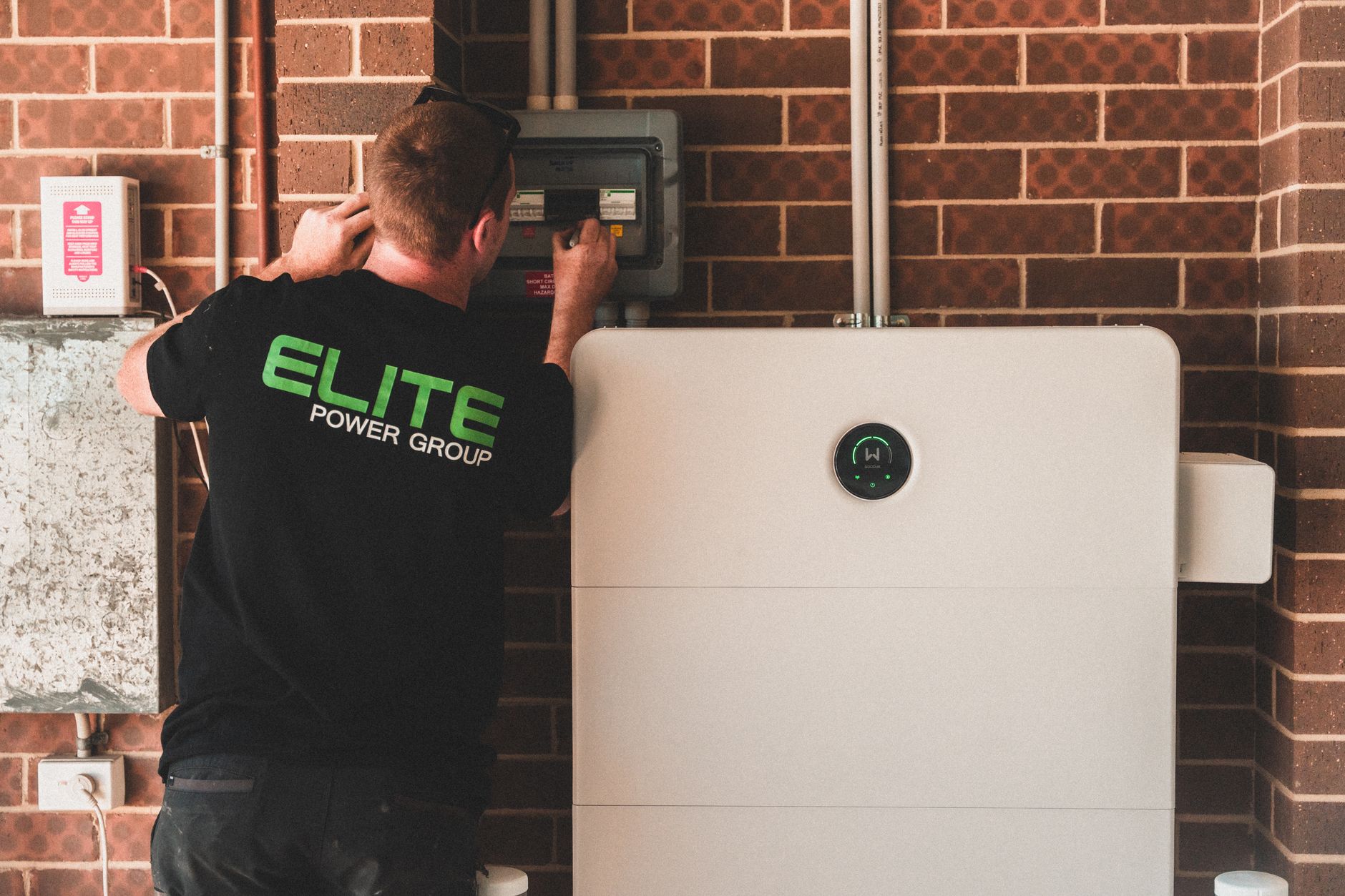
One warning about outage planning. A hardwired charger is still a grid load. If you want the car to charge when utility power is out, the charger has to sit on a backed-up panel or a smart panel that can shed it automatically. Running an 11.5 kW charger from a home battery alone empties a 13.5 kWh unit in about an hour. Our power outage preparation guide covers which loads deserve backup and which ones just drain the battery. Check price.
Key strengths:
- ✅ 11.5 kW is the fastest charging rate available in a home
- ✅ No GFCI receptacle and fewer failure points at the wall
- ✅ Outdoor-rated enclosures and cold-weather cables on most models
- ✅ Power sharing lets two cars charge on one 60A circuit
- ✅ Load management features avoid a full service upgrade in some homes
- ❌ Requires a licensed electrician and usually a permit
- ❌ Not portable, so it stays with the house when you sell
- ❌ Panel or service upgrade risk on older 100A and 150A panels
Who it’s for: Households with two EVs, long commutes, or a short overnight window who want every amp the panel can spare.
4. Solar and Home Battery Charging Systems , Best for owners who want to charge from their own roof
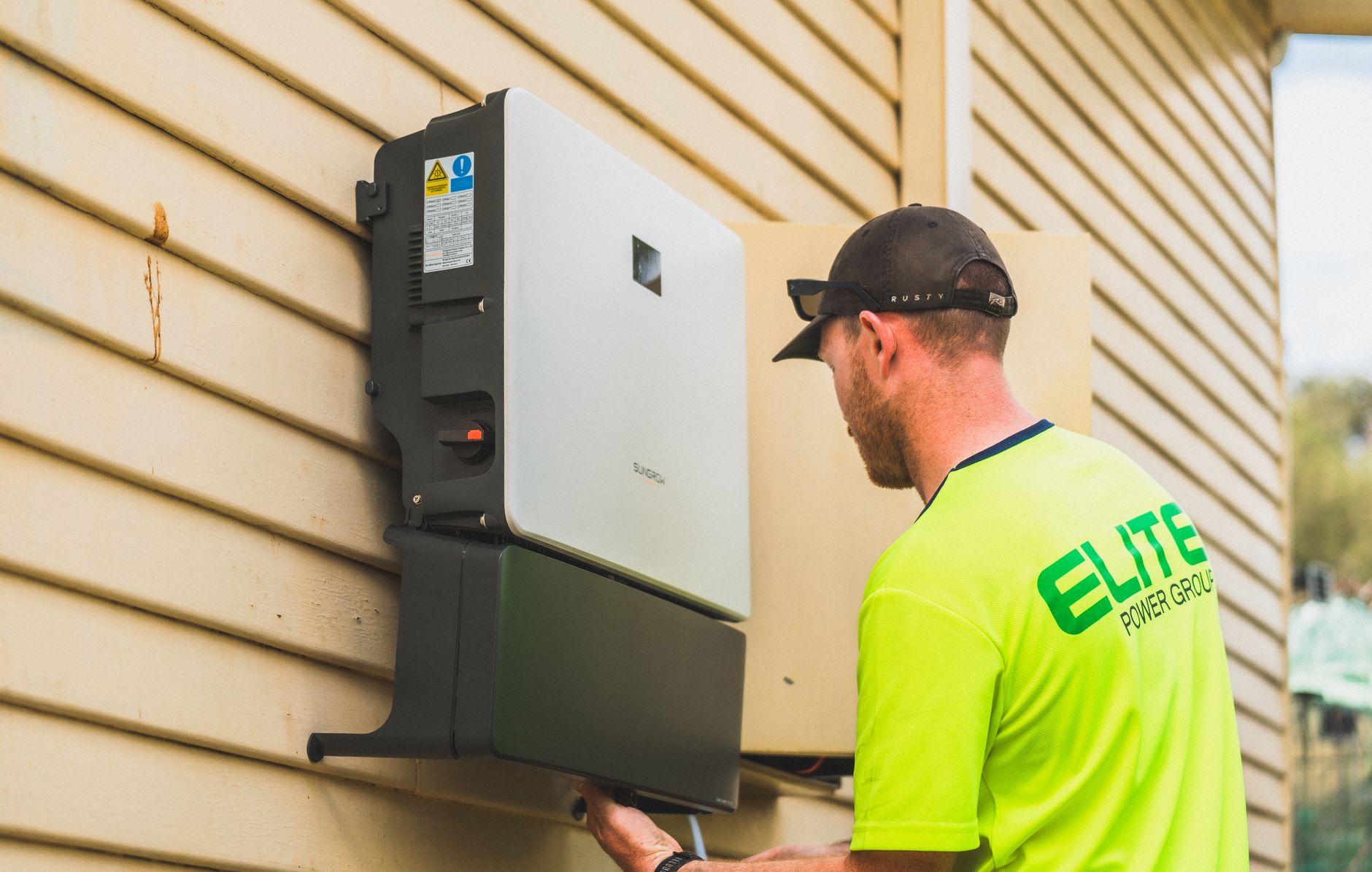
This is not a single product. It is a system design where the charger, the inverter, and the home battery talk to each other. An 8 kW solar array makes 30 to 40 kWh on a clear day in most of the country, based on performance data published by NREL. That is 100 to 140 miles of EV range, more than most households burn in a day. When the array is oversized relative to the house load, the car becomes the cheapest place to dump the surplus instead of exporting it for a credit that keeps shrinking.
The battery piece is smaller than most buyers expect. A 13.5 kWh home battery holds roughly 40 to 50 miles of EV range, and only if you are willing to drain it to empty. Most backup systems hold a reserve for the fridge, the furnace blower, and the lights. What a battery is genuinely good at is arbitrage. Store cheap overnight or midday solar energy, then send it to the car during peak hours. Pairing that with the federal solar tax credit changes the math on the storage side of the project and can cover a meaningful share of the equipment.
Some inverters and smart panels now offer solar-only charging modes. The charger watches production and ramps up only when the array makes more than the house needs, which keeps you from pulling a single grid kilowatt. On a cloudy day it barely charges at all, and in July it works beautifully. Budget the design with an installer who has built this before. EnergySage publishes installer quote comparisons and equipment lists that make competing bids easier to read.
Key strengths:
- ✅ Charges the car from power you generate instead of buying it
- ✅ Time-shifts midday solar into evening driving with a home battery
- ✅ Can keep limited charging alive during an outage if the design allows it
- ✅ Stacks with federal incentives on the storage and solar side
- ✅ Shields you from rising utility rates and weaker export credits
- ❌ The most expensive option by a wide margin
- ❌ A home battery covers only 40 to 50 miles of range
- ❌ Most standard backup systems will not run an 11.5 kW charger off-grid
Who it’s for: Homeowners who already have solar or plan to add it and want their car to run on self-generated electricity.
5. 12V Smart Charger and Maintainer , Best low-cost insurance for cars and generators that sit
Here is the other kind of car battery charger. A modern 12V smart unit like the NOCO Genius 10 or a Battery Tender Plus pushes 1.25A to 10A into a lead-acid, AGM, or lithium starting battery, drawing 15 to 135W from a wall outlet. On your electric bill that is a rounding error next to an EV charger. It also happens to be the cheapest way to keep a whole-home backup plan from failing at the worst moment.
The job is maintenance, not speed. A maintainer holds the battery at 13.2 to 13.6V, runs a desulfation cycle, and compensates for temperature. Leave a car parked for four months without one and a lead-acid battery self-discharges and sulfates, which is how a two-year-old battery dies early. The same charger keeps a standby generator’s starting battery healthy, and a dead starting battery is the top reason a backup generator will not fire during a storm.
Match the mode to the chemistry. AGM wants a slightly higher absorb voltage than a flooded battery, and lithium iron phosphate wants a completely different profile. A 10A unit recharges a car battery in a few hours and then holds it indefinitely. Buy one with reverse-polarity and spark protection. Check price.
Key strengths:
- ✅ Cheapest way to protect a battery you already own
- ✅ Desulfation and temperature compensation extend battery life
- ✅ Works on cars, mowers, trolling motors, and generator starting batteries
- ✅ Better units auto-detect 6V versus 12V and limit charging current
- ✅ Reverse-polarity and short-circuit protection prevent expensive mistakes
- ❌ Cannot charge an EV traction pack, only the small 12V battery
- ❌ The wrong chemistry mode can damage an AGM or lithium battery
- ❌ Flooded batteries vent hydrogen, so they need airflow while charging
Who it’s for: Anyone storing a vehicle or generator for months at a time who wants the battery ready on the first cold morning.
Frequently Asked Questions
How many watts does a car battery charger use?
A 12V maintainer draws 15 to 135 watts depending on the amp setting. A Level 1 EV cord pulls about 1,400 watts at 12A on 120V. A 48A Level 2 charger pulls 11,500 watts continuously, which is why it needs its own 60A breaker.
Can I charge an electric car from a normal wall outlet?
Yes, and most EVs ship with the cord to do it. Expect 3 to 5 miles of range per hour on a dedicated 120V circuit. Use a dedicated outlet, skip extension cords, and check the plug for heat during the first few charges.
Do I need a GFCI breaker for a Level 2 charger?
NEC 625.54 requires GFCI protection on receptacles installed for EV charging, so a plug-in unit on a 14-50 outlet needs one. Hardwired units include their own ground-fault protection circuit and avoid that receptacle requirement. Code editions vary by state, so confirm with your local inspector.
Can a home battery charge my car during a power outage?
Usually only slowly, and often not at all with a standard backup design. A 13.5 kWh battery holds roughly 40 to 50 miles of range, but a 48A charger would drain it in about an hour. Ask your installer to wire the charger to a backed-up panel and throttle it to a few kilowatts.
Will a trickle charger keep a stored car battery alive all winter?
Yes, if you use a modern maintainer with temperature compensation instead of an old unregulated trickle charger. A 1.25A maintainer is enough for long-term storage. Charge in a ventilated spot because flooded lead-acid batteries release hydrogen while charging.
How long does it take to charge a car battery?
A 10A 12V charger refills a car battery in two to five hours. An EV on a Level 1 cord needs 40 to 50 hours for a 60 kWh pack. A 40A Level 2 charger needs six to nine hours, and a 48A unit needs about five to six hours if the car accepts the full current.
What Should You Remember?
- Match the charger to the circuit, not the marketing: a 48A wall unit needs a 60A breaker, and a 15A outlet should never carry more than 12A continuously.
- Hardwire anything above 40A: you get 11.5 kW, about 40 miles of range per hour, and you skip the GFCI receptacle that nuisance-trips some plug-in units.
- A home battery is a small gas tank: 13.5 kWh covers roughly 40 to 50 miles, and a 48A charger would flatten it in about an hour.
- Charge from your own roof when export rates are low: an 8 kW array can make 30 to 40 kWh a day, enough for more than 100 miles of driving.
- A 12V maintainer protects your backup plan: it costs little to own and keeps a generator’s starting battery alive for the storm.
- Get a load calculation before you buy: panel capacity, wire length, and permits decide the real cost of any Level 2 install.
- Follow NEC Article 625: a licensed electrician handles the branch circuit, breaker sizing, and GFCI requirements your inspector will check.
This article is for general information only. Home energy systems involve high-voltage electrical work, building codes, permits, and in some cases utility interconnection approvals , always consult a licensed electrician and your local authority before making purchase or installation decisions. Product specs, pricing, and incentives (including tax credits and net metering) change frequently; verify current details with the manufacturer and your utility.